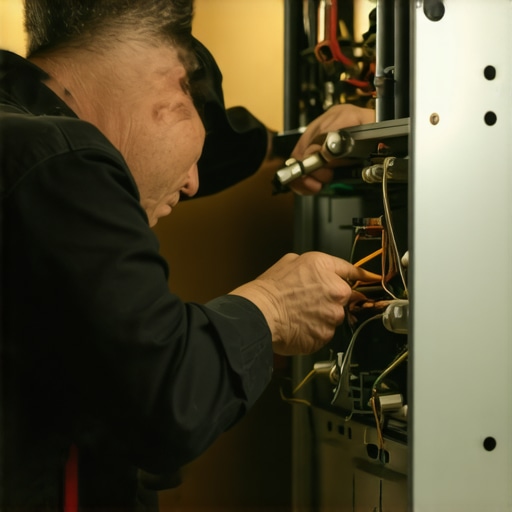
Imagine this: it’s the dead of winter, and you crawl into bed expecting the comforting warmth of your home. Instead, you’re met with a chilly draft, and your furnace hums ominously—on the fritz. That sinking feeling of helplessness hits hard. I’ve been there, and let me tell you, it’s enough to make you question whether your heating system is worth fixing or just a lost cause. But here’s the truth: with the right approach, you can restore confidence in your furnace and keep your home warm and cozy all season long.
Why Trust Matters When It Comes to Your Heating System
My early mistake was trying to DIY a complicated repair without understanding the full scope of the problem. I thought I could save a few bucks, but I ended up making things worse. That’s a common trap many homeowners fall into—believing that a quick fix is enough, when in reality, expert intervention is often essential. When your furnace isn’t performing, it’s more than just an inconvenience; it’s a sign that professional help might be the safest and most cost-effective route. According to industry experts, improper repairs can lead to safety hazards or even more expensive damage down the line (furnace repair myths debunked).
Is Rebuilding Trust in Your Heating System Actually Worth It?
Absolutely. A well-maintained furnace not only provides reliable warmth but also extends the lifespan of your system, saves you money on energy bills, and ensures your family’s safety. If you’re tired of unpredictable heating or fear costly breakdowns, I’ll show you practical, proven solutions that restore confidence in your home’s warmth. Ready to learn how to get your furnace back on track? Let’s dive into the steps that will help you rebuild trust and comfort in your household.
Assess the Condition of Your Furnace
Start by inspecting your furnace for obvious issues like unusual noises, leaks, or strange smells. Turn off the power and check for visible damage or debris. A quick visual check can often reveal simple problems, saving you time and money.
Identify Urgent Repairs
If your furnace is not igniting or producing heat, consult this guide to determine if repairs are urgent. Acting swiftly prevents further damage and keeps your household safe.
Consult a Trusted HVAC Professional
Next, contact a reputable service like trusted furnace repair experts. They have the tools and expertise to diagnose complex issues that DIY attempts might miss.
Get a Precise Diagnosis
Professionals will perform a comprehensive assessment, including checking the heat exchanger, blower motor, thermocouple, and electrical connections. This step is crucial to ensure you understand the root cause before proceeding with repairs.
Implement Necessary Repairs
Based on the diagnosis, schedule repairs. A skilled technician may replace worn-out parts or recalibrate your system. Remember, attempting to repair complex parts without proper training can worsen the issue, so trust the experts.
Discuss Upgrades and Maintenance
Consider asking about system upgrades or preventative maintenance. Regular tune-ups can prevent future breakdowns and extend your furnace’s lifespan. For more insights, see preventative HVAC tips.
Test and Confirm Reliability
After repairs, have the technician test your furnace thoroughly. Check for consistent heat output, quiet operation, and no leaks. Confirm that safety features are functioning properly.
Monitor System Performance
In the following days, monitor your furnace for signs of proper operation. If issues reappear, contact your technician promptly to avoid compounding problems. For ongoing tips, explore heating service hacks.
Maintain Confidence with Regular Service
Finally, schedule regular maintenance to keep your system running smoothly. Routine inspections and cleanings can prevent unexpected failures, ensuring your home remains warm and safe. For comprehensive strategies, check out HVAC system longevity tips.
Many homeowners believe that fixing their furnace is simply about replacing worn-out parts or following basic troubleshooting tips. However, this oversimplification often leads to overlooked nuances that can undermine the longevity and safety of your heating system. Let’s dig deeper into what most people get wrong and how you can avoid costly pitfalls.
Why the Myth of DIY Repairs Can Backfire
One of the biggest misconceptions is that DIY repairs are always cost-effective and sufficient. While minor maintenance tasks like changing filters or cleaning vents are manageable, attempting complex repairs without proper expertise can cause more harm than good. For example, tampering with electrical components or heat exchangers without proper training can lead to safety hazards, including carbon monoxide leaks or electrical fires. Industry experts warn that improper repairs can significantly reduce your system’s lifespan and increase safety risks (learn more about common repair myths).
Don’t Overlook Preventative Maintenance
Many homeowners wait until their furnace breaks down completely before calling a professional. This reactive approach is a costly mistake. Regular preventative maintenance, such as annual inspections, cleaning, and tune-ups, can catch small issues before they escalate into major repairs. Skipping this step often leads to unexpected failures during the coldest months, leaving you vulnerable and unprepared. For a comprehensive guide on maintaining your HVAC system, see preventative HVAC tips.
Advanced Mistake: Ignoring System Compatibility and Upgrades
Another nuance that many overlook is the importance of system compatibility and modern upgrades. For instance, installing an oversized furnace for your home might seem like a quick fix, but it can cause short cycling, uneven heating, and increased energy bills. Modern HVAC systems are more efficient when properly matched to your home’s size and insulation. Consulting with an expert can help you choose the right upgrades, such as smart thermostats or more efficient filters, which enhance your system’s performance and longevity. To explore innovative solutions, check out latest heating service innovations.
Have you ever fallen into this trap? Let me know in the comments.
Understanding these hidden nuances can save you from costly repairs, safety hazards, and discomfort. Remember, restoring confidence in your furnace isn’t just about fixing the immediate problem—it’s about adopting a proactive, informed approach that ensures your home stays warm and safe for years to come.
Maintaining your HVAC system over time requires more than just routine checks; it involves using the right tools and adopting effective methods that ensure longevity and optimal performance. As an HVAC professional and homeowner, I rely on specific equipment that streamlines troubleshooting and repairs, saving time and increasing reliability. Let’s dive into the tools I recommend and how they help keep your system working efficiently.
Why a Digital Manifold Gauge Is a Must-Have
For anyone serious about HVAC maintenance, a digital manifold gauge is indispensable. Unlike traditional analog gauges, digital models provide precise readings of refrigerant pressures, helping you quickly identify issues like leaks or pressure imbalances. I personally prefer the Yellow Jacket digital manifold because its accuracy and ease of use make diagnosing refrigerant problems straightforward, preventing unnecessary component replacements and ensuring system efficiency.
Infrared Thermometers for Accurate Temperature Checks
Checking temperature differentials across your HVAC system is crucial. An infrared thermometer, like the Fluke Infrared Thermometer, allows me to measure surface temperatures without contact, providing quick insights into heat exchanger performance, duct insulation effectiveness, or blower motor operation. This tool is vital for diagnosing uneven heating or cooling issues that could indicate underlying problems.
Leak Detectors for Refrigerant Safety
Refrigerant leaks can be hazardous and costly. I recommend a reliable electronic leak detector, such as the UEi Leak Detector. It’s sensitive enough to detect even tiny leaks early, helping maintain refrigerant levels and system efficiency while safeguarding your household’s safety. Regular use of this detector is part of my preventative maintenance routine, especially before seasonal peaks.
Software for System Monitoring and Diagnostics
In addition to physical tools, software solutions like HVAC diagnostic apps can remotely monitor system performance, alerting me to potential issues before they escalate. These programs analyze data from smart thermostats and system sensors, providing actionable insights that help me plan maintenance and repairs proactively. As technology advances, integrating these digital tools promises to make HVAC maintenance more predictive and less reactive.
How do I maintain HVAC tools over time?
Proper maintenance of my tools involves regular calibration, battery checks, and cleaning. For example, digital gauges and leak detectors should be calibrated annually using manufacturer-specific procedures, ensuring accuracy. Infrared thermometers need their lenses cleaned and batteries replaced periodically. Keeping tools in a dedicated, organized toolbox prevents damage and loss, which is essential for quick repairs and diagnostics. Implementing a routine inspection schedule for your equipment guarantees they remain reliable, saving you money and frustration in the long run. Looking ahead, the trend is moving toward smarter, connected tools that can provide real-time diagnostics and maintenance alerts, further simplifying system upkeep. To stay ahead, I recommend exploring latest HVAC innovations and investing in tools that leverage IoT technology for enhanced performance tracking.
Ready to improve your HVAC maintenance routine? Start by selecting a high-quality digital manifold gauge and set a schedule for regular calibration. These small investments can significantly extend your system’s lifespan and ensure your home remains comfortable year-round.
The Hardest Lesson I Learned About Furnace Repairs
One of the most valuable lessons I discovered is that rushing into DIY repairs often leads to more problems and higher costs. I once tried fixing a heat exchanger myself, only to realize I lacked the necessary tools and knowledge, which caused further damage. Now, I understand that trusting professionals with complex repairs saves time, money, and safety concerns.
Why My Toolkit Made All the Difference in HVAC Maintenance
Over time, I curated a set of essential tools that transformed how I approach furnace issues—like a digital manifold gauge for accurate refrigerant pressure readings or an infrared thermometer for quick temperature checks. These tools not only speed up diagnostics but also prevent unnecessary replacements, enabling me to maintain my system efficiently and confidently.
Don’t Hesitate—Take Action for Long-Term Comfort
Restoring trust in your furnace is about proactive care and continuous learning. Regular inspections, timely repairs, and staying informed about new HVAC innovations equip you to handle seasonal challenges better. Remember, a warm home is a safe haven—so start today and make confident decisions that last.
http://Sarah%20Johnson
Reading this article really resonated with me, especially the emphasis on trusting professionals rather than trying risky DIY repairs. I learned this lesson the hard way when I attempted to fix my furnace last winter without proper knowledge and ended up causing more damage, which then led to a much higher repair bill. Since then, I always schedule annual maintenance and rely on certified HVAC technicians to keep everything running smoothly. What’s interesting is how proactive maintenance not only prolongs system life but also provides peace of mind during the coldest months. I wonder, for those who have faced unexpected breakdowns in the middle of winter, what quick fixes or interim solutions did you find helpful until professional help arrived? Sharing practical tips could be really valuable for homeowners in urgent situations like that.
http://Michael%20Roberts
This post hits home for me because I’ve learned firsthand how crucial professional inspections are, especially in the middle of winter when every hour counts. Last year, I tried to troubleshoot my furnace myself after a strange noise, and in doing so, I inadvertently messed up the electrical connections. It was a stark reminder that complex systems like HVAC require specialized knowledge and tools to prevent safety hazards. Since then, I’ve made it a point to rely on certified technicians for diagnostics and repairs, which has saved me money and stress in the long run. One thing I’d add is the importance of having a basic emergency kit (like extra blankets, a space heater, and portable chargers) ready just in case your system fails unexpectedly. Have others found any quick interim solutions that really helped bridge the gap until professional help arrived? I think sharing these tips could be helpful for homeowners facing urgent breakdowns, especially during harsh weather.