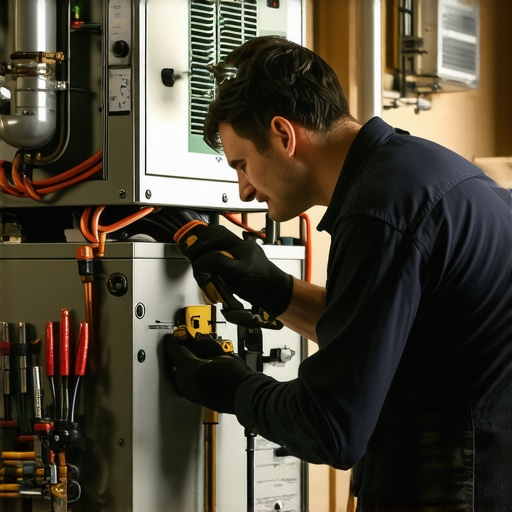
It was a cold winter evening when my furnace suddenly stopped working, leaving my home chilling in an unsettling silence. I remember standing in front of the thermostat, feeling the cold seep through the walls, realizing I had taken my heating system’s reliability for granted. That unexpected failure was a wake-up call, one that prompted me to delve deeper into the world of HVAC repair and restoration.
Turning Frustration Into Knowledge: My Journey Toward Trustworthy Heating
Dealing with a malfunctioning furnace isn’t just about discomfort; it shakes your sense of security. After numerous frustrating calls to unreliable technicians, I discovered a pattern—many homeowners face the same dilemma. The promise of warmth and comfort shouldn’t depend on luck or guesswork but on choosing the right professionals and understanding what’s truly involved in reliable HVAC service.
But how do you navigate the maze of repair options and avoid costly mistakes? That’s what I aim to share today—to help you restore your confidence in your heating system by unraveling common pitfalls and revealing effective strategies.
Is Investing in Expert HVAC Repairs Really Worth It?
Having learned the hard way, I once thought that a quick fix from a nearby handyman would suffice. Big mistake. Early on, I overlooked the importance of certified technicians, which led to temporary fixes and escalating costs. A comprehensive repair from trained professionals not only extends your system’s lifespan but also ensures safety and efficiency. In fact, industry experts emphasize that proper repairs can significantly reduce future breakdowns, saving you money in the long run — for example, by following tips from trusted sources [here](https://heatprosservices.com/top-hvac-repair-strategies-to-extend-your-systems-life).
Avoiding these costly missteps is possible when you know what to look for, which is exactly what I’ll cover next in our step-by-step approach to restoring trust in your heating system.
Diagnose Before You Fix
Start by understanding the problem. Imagine your furnace as a car; if it won’t start, check the basics—power supply, thermostat, filter. I once found a tripped circuit breaker behind a pile of boxes, which was quickly resolved, saving me from unnecessary parts replacement. Use a multimeter to verify voltage to your furnace components, ensuring power reaches the system. This initial troubleshooting prevents costly misdiagnoses and sets a clear path for effective repair.
Gather Accurate Information
Document the issue with specific details: noise, frequency, and times of failure. Take notes or record videos. When I noticed my heater making strange banging sounds during cold mornings, I recorded it and shared the footage with a trusted technician. Precise information accelerates diagnosis and helps technicians identify underlying issues, avoiding temporary fixes that fail again soon.
Choose Certified Professionals
Always opt for licensed and certified technicians. Think of them as specialists—like a surgeon versus a general practitioner. I learned this the hard way after hiring someone without proper credentials, which led to repeated breakdowns. Check reviews, verify licenses, and ask for references. Industry-recognized certifications indicate adherence to safety and quality standards, ensuring long-lasting solutions.
Request a Thorough Inspection
Have your technician perform a comprehensive assessment—checking the heat exchanger, blower motor, and electrical connections. I suggest being present during the inspection to ask questions. A detailed evaluation uncovers hidden problems, much like a mechanic inspecting every part of a vehicle before repairs. This ensures all issues are addressed in one visit, reducing future surprises.
Understand Repair Options and Costs
Get a written estimate outlining parts, labor, and take-home recommendations. Don’t hesitate to ask about alternatives—sometimes a minor part replacement can extend your system’s life significantly. I once opted for a full system overhaul based on a detailed quote, which proved more cost-effective in the long run than patchwork fixes. Knowledge of options empowers you to make informed decisions.
Prioritize Safety and Efficiency
Emphasize repairs that improve safety—like fixing cracked heat exchangers—and efficiency, such as upgrading to a programmable thermostat. I installed a smart thermostat myself after a professional upgrade, which helped reduce energy costs. Ensuring your system runs safely and efficiently not only restores trust but also saves money down the line.
Schedule Preventative Maintenance
Prevent future issues with regular tune-ups—cleaning filters, checking refrigerant levels, inspecting electrical connections. Think of it as regular health check-ups; catching problems early prolongs your system’s lifespan. I set reminders for annual HVAC maintenance, which drastically reduced emergency breakdowns and kept my home comfortable year-round.
Keep Records and Stay Informed
Maintain detailed records of repairs, warranties, and service dates. Use a notebook or digital app. I digitized my HVAC history, making it easier when I needed warranty service or future repairs. Staying informed about your system’s condition builds confidence and helps you spot signs of wear before a crisis occurs.
Many homeowners believe they understand heating and cooling systems, but the reality is often more complex. A pervasive myth is that all HVAC repairs are equally straightforward and safe to attempt without professional help. In truth, misconceptions about DIY repairs can lead to costly mistakes and safety hazards. For example, some assume that replacing a thermostat is simple, but without understanding the system’s wiring and safety protocols, you risk electrical shocks or further damage. Industry experts warn that amateur interventions can exacerbate problems or void warranties, making professional service essential. Additionally, there’s a misconception that newer, energy-efficient systems don’t require regular maintenance, which is false. Regular tune-ups are crucial for extending system lifespan and ensuring safety, as detailed in [this comprehensive guide](https://heatprosservices.com/efficient-hvac-repairs-the-blueprint-for-cooler-summers-and-warmer-winters).
Have you ever fallen into this trap? Let me know in the comments.
When it comes to AC installation, many think that choosing the cheapest unit guarantees savings. However, selecting an appropriate size and type tailored to your home’s layout and insulation is vital for efficiency. Oversized units can cycle on and off frequently, increasing wear and energy costs, while undersized units struggle to maintain comfort, leading to increased repair needs—an advanced mistake homeowners often overlook. Understanding these nuances helps avoid common pitfalls. For instance, professional assessments can determine the right capacity—something you can learn more about in [this detailed resource](https://heatprosservices.com/ultimate-guide-to-ac-installation-expert-tips-for-2025-success).
In HVAC repair, a frequent trap is assuming that all contractors deliver equal quality. Many homeowners focus solely on cost, neglecting certifications or reviews. Choosing unqualified technicians can result in subpar repairs that fail quickly, costing more over time. The importance of verifying credentials and understanding industry standards cannot be overstated, as explained in [this article](https://heatprosservices.com/trusted-heating-system-repair-furnace-service-to-restore-confidence-in-your-home).
Now, let’s explore a common advanced misconception in furnace maintenance. Some believe that annual inspections aren’t necessary unless there’s a problem, which is a mistake. Regular preventative maintenance can catch issues early, preventing emergency breakdowns and safety hazards. Many overlook the significance of system diagnostics that identify hidden faults, such as minor cracks in heat exchangers, which could lead to dangerous carbon monoxide leaks if left unchecked. For deeper insights, review [this recommended approach](https://heatprosservices.com/preventative-hvac-repair-tips-for-year-round-efficiency).
In short, understanding these nuances can save you money, improve safety, and enhance your home’s comfort. Remember, DIY mistakes and misconceptions can be costly, so consulting with HVAC professionals for guidance and repairs is always the wisest course. Stay informed and proactive about your heating and cooling systems. For more expert insights, explore the resources linked throughout this article to ensure you’re making the best decisions for your home’s climate control needs.Maintaining your heating and cooling systems over time requires more than just basic knowledge; it demands the right tools and a disciplined approach. I personally rely on a few specialized instruments that have proven invaluable in diagnosing issues early and preventing costly failures. One such tool is a high-quality digital multimeter, which I use to verify electrical connections and ensure that components receive proper voltage. This simple yet effective device helps me catch electrical faults before they escalate into major problems, saving time and money.
Another essential piece of equipment is an infrared thermal camera. I leverage this technology to quickly identify hotspots or cold spots within ductwork, heat exchangers, and electrical panels. Using thermal imaging allows me to spot potential leaks, insulation issues, or faulty wiring without invasive dismantling. It’s a game-changer in preventative maintenance, helping extend system longevity and ensuring safety. For optimal results, I recommend investing in a model with at least 80×60 resolution—it strikes a good balance between affordability and diagnostic clarity.
When it comes to software, I favor diagnostic apps compatible with my smartphone, which streamline troubleshooting routines. For example, apps that help log temperature and pressure readings make it easier to track system health over time. These digital logs are crucial when consulting with professionals or ensuring consistent performance during seasonal shifts.
Beyond tools, honing effective methods is vital. I adhere to a routine: start with visual inspections, then verify electrical components, followed by airflow measurements, and finally, refrigerant levels if applicable. Regularly calibrating your instruments—such as pressure gauges—ensures accuracy over time, preventing misdiagnoses.
Looking ahead, the trend towards smart diagnostic devices integrated with IoT technology promises even more accurate, real-time system monitoring. These innovations will likely become standard, empowering homeowners and technicians alike to maintain HVAC systems proactively rather than reactively.
**How do I maintain reliability in my HVAC system?** The key is consistency—regularly scheduled inspections and preventative measures using precise tools make all the difference. For example, I implement seasonal checklists that include cleaning filters, inspecting ductwork, and running diagnostic tests. These small steps collectively prevent unexpected breakdowns and extend system life.
For homeowners eager to elevate their maintenance game, I recommend trying the thermal imaging technique. Its ability to reveal hidden issues is remarkable and can save you hundreds of dollars in repairs. Embrace this approach, stay proactive, and you’ll keep your HVAC systems running smoothly for years to come. To learn more about advanced repair strategies, check out [this comprehensive guide](https://heatprosservices.com/top-hvac-repair-strategies-to-extend-your-systems-life). Remember, investing in quality tools and methods today pays dividends in long-term comfort and safety.
What I Wish I Knew Before Starting My HVAC Fixes
The biggest lesson I learned is that patience and thorough knowledge outperform haste and shortcuts. Rushing into repairs without proper understanding almost always leads to more problems down the line. Taking the time to diagnose the root cause, rather than just fixing symptoms, saved me money and frustration.
I also realized that trusting certified professionals isn’t just about convenience—it’s about safety, reliability, and peace of mind. DIY attempts, especially with complex systems, can be dangerous if you’re unfamiliar with electrical wiring or refrigerant handling. Industry standards and certification ensure repairs are done correctly and safely.
Lastly, I understood that ongoing maintenance and proactive inspections are the keys to avoiding emergencies. Regularly scheduled tune-ups, like those recommended in guides such as preventative HVAC maintenance tips, can extend your system’s lifespan and keep your home comfortably warm throughout winter.
The Tools That Made All the Difference
Having the right equipment transformed my approach. A quality multimeter helped me verify electrical connections, preventing guesswork and potential hazards. An infrared thermal camera uncovered hidden issues in ductwork and electrical panels, saving me from costly surprises.
Smart diagnostic apps on my phone allowed me to log system performance parameters over time, which proved invaluable during professional consultations. Investing in these tools paid dividends in peace of mind and system longevity, encouraging me to stay engaged rather than reactive.
If you’re serious about keeping your heating system running smoothly, consider exploring these resources and tools. They’re game-changers that can help you diagnose, maintain, and repair efficiently—just like the pros, but without breaking the bank. For comprehensive strategies, check out top repair strategies to extend your HVAC system’s life.
Believe in Your Ability to Make a Difference
Your home’s comfort depends on regular attention and the willingness to learn. Even small steps—like checking filters or verifying electrical connections—build confidence and control. Don’t let misconceptions hold you back; with the right guidance, you can tackle many maintenance tasks yourself.
Remember, expert help is invaluable when needed, but becoming familiar with your system’s fundamentals empowers you to make informed decisions and avoid unnecessary expenses. Take charge today and ensure your home stays warm and safe through every season. What’s one repair move you feel ready to try on your own? Share your thoughts below and let’s learn together.