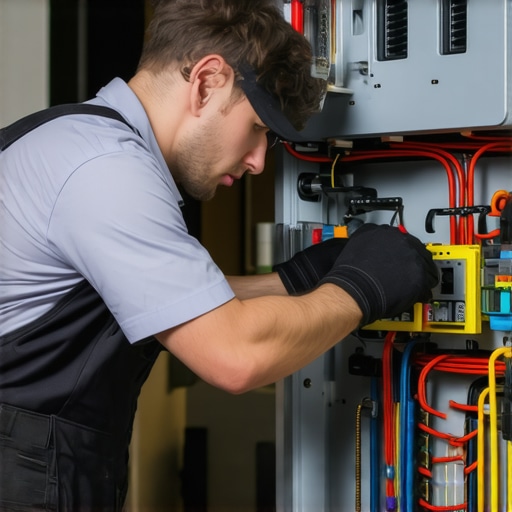
I remember the night I realized my old HVAC system was about to give out. It was late, the house was uncomfortably cold, and I was already dreading the thought of an expensive repair. That moment of frustration sparked a lightbulb: I needed experts I could trust, and fast. Since then, I’ve learned that many homeowners face this same dilemma—feeling helpless when their comfort is at stake and unsure who to turn to for reliable help.
Why Trust Matters When Your HVAC Fails
Few things are more disruptive than a malfunctioning heater or air conditioner, especially during extreme weather. It’s not just about comfort; it’s about safety, health, and peace of mind. When your system stops working, it’s tempting to try patching it yourself or choosing the cheapest option. But I learned early on that rushing into a quick fix often leads to more problems down the line. Making the right choice in HVAC repair isn’t just about fixing the issue today—it’s about rebuilding trust and ensuring your home remains a sanctuary of comfort.
Have you ever faced the dilemma of urgent repair and wondered if the company you called was truly reliable?
Let me tell you: I made the mistake of trusting a neighbor’s recommendation without doing my homework. That experience taught me the importance of choosing licensed, experienced professionals who prioritize transparency and quality. It’s easy to fall for promises that sound too good to be true, but supporting your decision with proper research makes all the difference.
Today, I want to guide you through the essential steps to find the right HVAC experts—those who will restore your system swiftly and rebuild your confidence in home comfort. From understanding common pitfalls to recognizing the signs of urgent repairs, this is about empowering you to make informed decisions. If you’ve ever been left in the cold (or heat), keep reading. We’re about to turn your frustrating experience into a confident, comfortable reality.
Ready to take control? Let’s dive into how you can choose trustworthy HVAC repair and installation services that truly restore your home’s comfort and your peace of mind. And if you want to get ahead, check out preventative maintenance tips that can save you from emergencies in the first place.
Identify Urgent Problems Before They Escalate
My first step was recognizing the signs of an imminent breakdown, like strange noises or inconsistent heating. I used the resource this guide to help evaluate whether my system needed immediate attention. Think of your HVAC as a car; if you notice strange sounds or warning lights, you wouldn’t ignore them—do the same with your home’s system.
Choose Certified Professionals for Repairs and Installation
When I needed a quick fix, I made sure to select licensed technicians with proven experience. I checked reviews and certifications, ensuring they followed industry standards. Remember, trusting the right experts is like hiring a seasoned chef—quality ingredients and skills matter. For detailed tips, see this resource.
Request Transparent Estimates and Clear Communication
During my project, I emphasized transparency—getting detailed estimates upfront prevented surprises. I asked questions about parts, labor, and warranties. It’s like buying a car; good communication ensures you understand what you’re paying for. This step builds trust and avoids hidden costs that can derail your confidence.
Prioritize Preventative Maintenance
After the repair, I scheduled regular check-ups to maintain system health. Preventative steps are the best insurance against emergencies. I followed these maintenance tips to keep my system running smoothly year-round. Think of it like regular oil changes for your car—prevent breakdowns before they happen.
Verify System Functionality Before Finalizing
Once repairs were complete, I tested the system thoroughly—checking heating performance, airflow, and thermostat responsiveness. This is comparable to test-driving a new car model; a quick test ensures everything works as promised. If issues arise, don’t hesitate to ask the technician to fix them immediately.
Document and Keep Records of Work Done
I kept detailed records of repairs, warranties, and service dates. This documentation helps in future troubleshooting and builds a history of reliable service. It’s like keeping receipts for expensive electronics—valuable if problems recur.
Stay Informed and Empowered
Finally, I educated myself about my HVAC system through trusted resources. Staying informed allows me to recognize early signs of trouble and understand repair needs. Visit this page for expert strategies to extend your system’s lifespan and avoid unnecessary replacements.
< >
>
Many homeowners enter the world of HVAC repair with misconceptions that can lead to costly mistakes or even dangerous situations. Let’s dig deeper into some of these myths and reveal the hidden nuances that can save you money and ensure your system functions optimally.
Why Relying on DIY Fixes Might Backfire
It’s tempting to try fixing your HVAC system yourself, especially with the abundance of online tutorials. However, this often results in more harm than good. HVAC systems are complex, and improper repairs can compromise safety, reduce efficiency, or void warranties. Industry experts emphasize that only licensed professionals have the training to diagnose and address issues accurately. For instance, misdiagnosing a refrigerant leak can lead to further damage and expensive repairs down the line. Always consider that attempting repairs without expertise might seem cost-effective initially but can cause bigger problems—something I learned the hard way.
Common Mistakes in Selecting Repair Services
Many homeowners fall for the myth that the cheapest repair service is the best choice. While affordability is important, the quality of work hinges on experience, licensing, and reputation. A quick glance at reviews isn’t enough; verify certifications and ask for detailed estimates. Choosing an unqualified technician can lead to inadequate repairs, which might only mask the real problem, leading to repeated breakdowns. Remember, trusting the right experts is like hiring a seasoned chef—quality ingredients and skills matter. To ensure your system gets the care it deserves, review resources like this guide.
Advanced Mistakes to Avoid in HVAC Maintenance
One advanced mistake is neglecting preventative maintenance due to a misconception that systems last forever without it. Regular tune-ups and inspections are vital to catch issues early and extend equipment lifespan. Skipping these steps can lead to unexpected failures and expensive emergency repairs. A study by the Department of Energy highlights that well-maintained systems operate more efficiently, reducing energy costs and prolonging equipment life. Don’t wait for your system to break down—schedule regular check-ups, especially before peak seasons, by consulting experts like those at Heat Pros Services.
Have you ever fallen into this trap? Let me know in the comments. Remember, understanding these nuances can make all the difference in maintaining a comfortable, safe home environment while saving money in the long run.
Maintaining your HVAC system over time requires more than just occasional check-ups; it involves using the right tools and adopting consistent methods that ensure longevity and optimal performance. As a homeowner committed to trustworthy and efficient HVAC care, I’ve found that investing in specific equipment and following proven routines can make all the difference in avoiding costly repairs and ensuring comfort year-round.
Why Regular Maintenance Demands Precision Tools
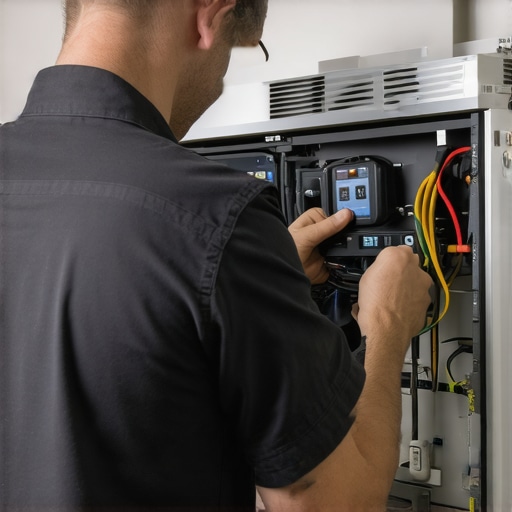
For my routine inspections and minor repairs, I rely on a high-quality digital multimeter. This device helps me accurately measure electrical components and diagnose issues without guesswork. I personally use the Fluke 117, renowned for its reliability and precision, which allows me to test voltage, current, and resistance safely. Having a dependable multimeter reduces the risk of misdiagnosis and ensures repairs are performed correctly the first time.
Another tool I recommend is a refrigerant leak detector. This specialized device, like the Inficon TS-400, detects tiny leaks that can compromise system efficiency. I incorporate this into my annual maintenance routine, especially before summer and winter, to catch problems early. Catching leaks early not only saves money but also prevents system breakdowns during critical seasons.
For airflow assessments, I use an anemometer—specifically, the Extech 445815. This helps me verify that air is circulating properly through vents, ensuring that my system’s distribution is balanced and effective. Proper airflow is essential for energy efficiency and comfort, and having a reliable anemometer makes troubleshooting airflow issues straightforward.
Software and Routine Checks for Peace of Mind
Beyond physical tools, I leverage digital maintenance logs using simple spreadsheet software. This helps me track service dates, parts replaced, and upcoming maintenance tasks. Staying organized with these records ensures I don’t overlook routine check-ups, which are crucial for long-term system health. Additionally, I subscribe to HVAC alert apps that monitor system performance and notify me of irregularities, enabling proactive care.
Looking ahead, I predict that smart diagnostic tools integrated with IoT (Internet of Things) technology will become standard. These tools will continuously monitor HVAC systems, providing real-time data and even predictive maintenance alerts, reducing the need for manual inspections.
How do I maintain my HVAC over time?
The key is consistency. Regularly scheduling professional tune-ups combined with at-home inspections using these tools ensures your system remains efficient and reliable. Remember, preventative maintenance with the right equipment saves money and extends your system’s lifespan. Want to maximize your efforts? Try setting up a maintenance schedule that incorporates these tools, and check out these preventative tips for even better results.
Investing in the right tools and routines is a game-changer. It not only gives you confidence in your system’s health but also helps you catch issues early before they escalate into costly repairs. Don’t wait for your HVAC to fail—take proactive steps today to keep it working efficiently for years to come.
What I Wish I Had Known Before My HVAC Emergency
- One of the toughest lessons I learned was that rushing into repairs without proper knowledge can lead to more headaches. A quick fix might seem tempting, but it often masks underlying issues that worsen over time. Taking a moment to assess and consult professionals can save a lot of money and stress.
- Trusting reviews and certifications isn’t just a formality; it’s the backbone of choosing reliable HVAC services. I discovered that digging deeper into a company’s reputation and asking detailed questions makes a real difference in the quality of work I receive.
- Preventative maintenance isn’t just a buzzword—it’s your best defense. Regular check-ups with the right tools, like refrigerant leak detectors and airflow meters, can catch problems early and extend your system’s lifespan, saving you from costly emergencies.
- Keeping detailed records of repairs and service dates has been invaluable. It helps in quick troubleshooting and ensures warranties are honored, giving peace of mind over the long haul.
- Educating myself about the nuances of HVAC systems has empowered me to make smarter decisions. Resources like the expert guides have been game-changers in understanding how to maintain efficiency and reliability.
Tools and Resources That Changed the Game
- The Fluke 117 multimeter has been my go-to for diagnosing electrical issues safely and accurately. Its reliability means I can trust the readings and avoid misdiagnosis.
- Refrigerant leak detectors like the Inficon TS-400 help me identify tiny leaks before they become major problems, especially before seasonal peaks when system performance is critical.
- An airflow anemometer such as the Extech 445815 ensures my vents are functioning optimally, which is essential for energy efficiency and comfort.
- Digital maintenance logs kept via spreadsheets help me stay organized. I track service history, upcoming appointments, and warranties, making sure no detail slips through the cracks.
Seize Control and Keep Your Home Cozy
Taking charge of your HVAC health is an ongoing journey, but with the right knowledge, tools, and mindset, you can prevent emergencies and enjoy consistent comfort. Remember, the key is proactive care and trusting experts who prioritize transparency and quality. Now’s the time to act—your home’s comfort depends on it!
What’s been your biggest challenge in maintaining your HVAC system? Share your experiences below, and let’s learn from each other’s journeys to better home comfort.
http://Emma%20Ross
Reading this post really resonated with me, especially the part about trusting licensed professionals over quick fixes or unverified services. I learned the hard way that attempting DIY repairs without proper training can lead to safety issues and costly damages. I once tried to fix a refrigerant leak myself after watching a few videos, only to make the problem worse, which resulted in a much bigger repair bill. That experience taught me the importance of calling in licensed technicians who rely on precise diagnostic tools, like refrigerant leak detectors and multimeters.
I’m curious—how do others balance the cost of professional repairs with the peace of mind that comes from quality work? Do you think investing in regular preventative maintenance is worth it in the long run? I’ve found that sticking to scheduled checkups helps avoid emergency repairs, which can be quite stressful. It’s reassuring to see resources and tips like these—even better if homeowners can learn to prioritize proactive care over reactive fixes. Would love to hear others’ insights or experiences on maintaining system health without overspending.
http://Michael%20Johnson
Reading this post really hit home for me, especially about the importance of choosing licensed professionals and not cutting corners with DIY repairs. I once tried to fix my HVAC system myself after watching online tutorials, thinking I could save some money. Unfortunately, that led to a refrigerant leak that took more than double the cost to repair later on. What I’ve learned from that experience is how vital it is to trust the expertise of licensed technicians, especially when dealing with complex systems. Their diagnostic tools, like leak detectors and multimeters, make all the difference in accurately identifying issues right away.
Regarding routine maintenance, I believe investing in scheduled professional tune-ups is definitely worth it. Not only does it extend the lifespan of our systems, but it also provides peace of mind during extreme weather months. Has anyone found particular preventive measures or schedules that work best for them? I’d be interested to hear how different maintenance routines have helped others avoid costly emergency repairs.