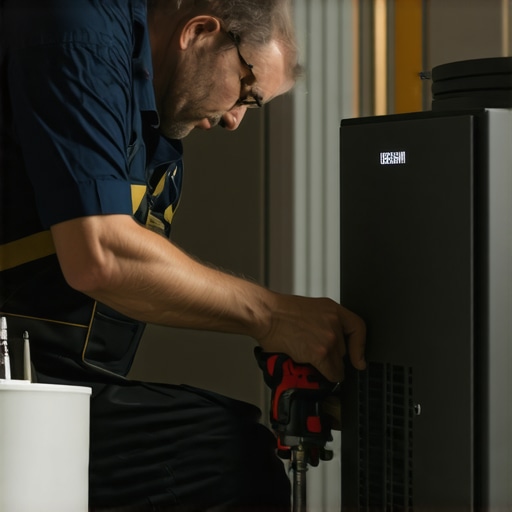
I remember the coldest night last winter when my furnace finally gave out. The house was freezing, and I felt a sinking sense of helplessness. That moment was a real eye-opener — I realized how much we depend on reliable heating to keep our homes warm and our hearts peaceful. It’s frustrating when your trusted heating system falters, especially after investing in repairs that seem to only patch the problem temporarily. I’ve been there, and I know how disheartening it can be.
Why Trust in Furnace Repair Matters More Than Ever
During those chilly nights, I learned that rebuilding trust in your heating system isn’t just about fixing a broken furnace. It’s about restoring your confidence that your home will stay warm and safe, no matter what the weather throws at you. This is especially true as technology advances and newer systems promise greater efficiency — but only if they’re installed and maintained properly. According to industry experts, poor installation and neglect can lead to system failures and skyrocketing energy bills. That’s why I want to share what I’ve learned about how to repair not just the system, but also your trust in it.
Is It Really Worth the Hassle to Rebuild Your Heating System?
This is a common skeptic’s question I hear all the time. Honestly, I made a crucial mistake early on — I underestimated the importance of professional guidance and ended up with more problems down the line. But I’ve also seen how the right steps, backed by expert advice, can turn things around. If you’re tired of unreliable heating or feeling unsure about who to call, I’ll show you how to navigate this process with confidence. For starters, you might want to explore trusted sources like this guide on furnace repair and rebuilding trust. It’s packed with practical tips and insider secrets to help you restore comfort and peace of mind in your home.
So, if you’ve faced the frustration of a malfunctioning furnace, you’re not alone. And more importantly, you don’t have to face it alone either. The key is knowing how to choose the right repairs and when to call in the experts. That’s what I’ll help you with next. Stay tuned for straightforward, real-world steps to ensure your heating system is reliable, efficient, and trustworthy again.
Identify the Core Issue with Precision
The first step I took during my last repair was to diagnose the problem accurately. Think of your furnace like a car engine — you wouldn’t just add oil without checking the oil level and condition. I turned off the system and carefully inspected the filters, thermocouples, and pilot light. Using a multimeter, I tested the electrical connections to ensure there were no faulty wires. This detailed diagnosis prevented me from wasting time on unnecessary repairs and set a solid foundation for fixing what truly mattered. For expert insights, check out this guide on expert HVAC repair techniques.
Many homeowners operate under misconceptions when it comes to furnace repair, often leading to costly mistakes or delays in fixing critical issues. Let’s dig deeper into the nuances that most people overlook or misunderstand, so you can make smarter decisions about your home’s heating system.
Why Believing More Is Better Might Hurt Your Furnace
It’s a common myth that trying multiple repair solutions yourself saves money and time. In reality, dabbling without proper knowledge can cause more harm than good. For instance, over-tightening electrical connections or incorrectly replacing filters can lead to system failures or safety hazards. Professional technicians have the training and tools to diagnose and fix the core problem efficiently, reducing the risk of costly errors. For advanced insights on avoiding these pitfalls, check out this expert guide on furnace repair myths.
Common Mistakes That Drain Your System’s Lifespan
One hidden nuance is neglecting preventative maintenance. Many homeowners wait until the furnace breaks down before calling for help, but regular inspections and tune-ups can catch issues early and extend the system’s life. Ignoring small problems like dirty filters or minor leaks can escalate into expensive repairs or even complete system replacements. Industry studies suggest that proactive maintenance can double the lifespan of your furnace, saving you thousands in the long run. Consider scheduling annual checkups with trusted professionals to avoid these costly oversights.
How Advanced Diagnostics Can Save You Money
Many homeowners underestimate the importance of sophisticated diagnostic tools used by HVAC specialists. Relying solely on visual inspection or basic troubleshooting can miss underlying issues, such as airflow blockages or faulty thermocouples, that are not immediately visible. Advanced diagnostic techniques, including multimeter testing and system analysis, identify these hidden problems accurately. Investing in expert diagnostics upfront can prevent unnecessary repairs and ensure your furnace runs reliably through the cold months. Curious about how these diagnostics work? Visit this resource on expert HVAC diagnostics.
Remember, the key to a long-lasting, trustworthy heating system isn’t just about fixing what’s broken — it’s about understanding the nuances that keep it running smoothly. Have you ever fallen into this trap? Let me know in the comments.
Keeping Your Furnace in Top Shape with the Right Tools
Maintaining a furnace over time requires more than just basic knowledge; it demands the right tools that can accurately diagnose issues and ensure longevity. Personally, I rely on a digital multimeter because it allows me to test electrical components precisely, avoiding guesswork. Unlike traditional testers, a high-quality multimeter can detect subtle voltage drops or faulty wiring that might otherwise go unnoticed, preventing costly failures down the line. For those serious about long-term reliability, investing in a multimeter with auto-ranging capabilities and true RMS measurement is a game-changer. Check out this guide on expert HVAC diagnostics for more insights.
Another essential tool I use is a combustion analyzer. This device measures the efficiency of your furnace’s combustion process, ensuring it runs safely and optimally. Regularly testing CO2 levels and flue gases helps catch issues like incomplete combustion early, which can save you from dangerous carbon monoxide buildup. Advances in these analyzers now allow real-time data logging and Bluetooth connectivity, making maintenance both easier and more precise. As technology evolves, I predict that smart diagnostic tools integrated with smartphone apps will become standard, providing homeowners with instant feedback and actionable insights without needing a professional right away.
How do I maintain my furnace over time?
Consistent maintenance is key to keeping your furnace working efficiently. I schedule annual inspections with a trusted professional, focusing on cleaning and checking crucial components like filters, burners, and heat exchangers. Using specialized brushes and compressed air, I carefully remove dust and debris from these parts, which helps prevent airflow restrictions and uneven heating. Additionally, I replace filters proactively—preferably with high-efficiency pleated filters that trap more particulates and improve indoor air quality. For detailed preventative maintenance tips, visit this resource.
Furthermore, I keep a maintenance log and set reminders for filter replacements and system checks. This habit not only extends the life of my furnace but also ensures that I catch potential problems early. As the industry continues to innovate, I believe that incorporating IoT-enabled sensors into HVAC systems will make maintenance even smarter—alerting homeowners to issues before they escalate. To stay ahead, I recommend trying out some of the latest diagnostic tools and integrating them into your routine.
Remember, the better your tools and maintenance habits, the longer your furnace will serve reliably. If you’re ready to upgrade your maintenance arsenal, explore this comprehensive guide for expert-approved strategies. Don’t wait for a breakdown—be proactive and keep your home warm and safe all winter long.
The Hardest Lessons I Learned About Furnace Repair
One of my most eye-opening experiences was realizing that even small neglects like ignoring a dirty filter can snowball into major system failures. It taught me that patience and attention to detail are vital, especially when diagnosing complex issues that aren’t immediately visible. Over time, I understood that trusting industry-standard diagnostic tools can save hours and money, transforming frustrating repairs into confident fixes.
My Essential Toolkit for Reliable Heating
Investing in a quality digital multimeter was a game-changer for me. It helped me diagnose electrical faults with precision, avoiding guesswork that often leads to unnecessary replacements. I also rely on a combustion analyzer to ensure my furnace is operating safely and efficiently, providing peace of mind during those cold winter nights. These tools, combined with expert guidance from trusted resources like this comprehensive guide, empower homeowners to take control of their heating systems.
Keep Your Furnace Trustworthy and Efficient
The emotional satisfaction of knowing my furnace works reliably is priceless. Regular maintenance, proactive inspections, and using the right diagnostic tools have extended my system’s lifespan and saved me from costly emergencies. Remember, taking small steps today can prevent big headaches tomorrow. If you’re ready to upgrade your maintenance routine, explore these preventative tips to keep your furnace running smoothly through the coldest months.
http://James%20Carter
Reading this post really resonated with my own experience last winter when my furnace was acting up right before a cold snap. It’s such a relief to know that proper diagnosis and regular maintenance can prevent those panic moments, especially by using the right tools like a multimeter and combustion analyzer. I learned the hard way that trying DIY fixes without understanding the core issue often leads to more problems. Has anyone here found that investing in quality diagnostic tools or professional inspections has truly extended their system’s lifespan? I’d love to hear what specific tools or maintenance routines others swear by to keep their heating systems reliable through the toughest months. It’s fascinating how advances in diagnostic technology can make home maintenance more precise and less stressful, isn’t it? Ultimately, staying proactive rather than reactive has saved me so much time and money—do you all have any tips for early detection of furnace issues that homeowners can do themselves?
http://Emily%20Dawson
This post really hits home, especially for those of us who have gone through that terrifying night when the furnace finally quits just when you need it most. Trust in your heating system is crucial, and I agree that regular, professional maintenance can save you from those cold surprises. I’ve found that investing in a good multimeter and routinely checking electrical connections has been invaluable. Plus, scheduling annual tune-ups has drastically improved the reliability of my system. I’m curious, have any of you experimented with smart thermostats or home automation tools to monitor your furnace’s performance? I’ve heard they can provide early alerts about issues before they become major problems. It seems like combining technology with regular upkeep is the way forward for peace of mind during those harsh winter nights. What’s been your experience with these upgrades—do they truly help in detecting problems early? I’d love to hear everyone’s tips on how to stay ahead of furnace failures, even without advanced tools.