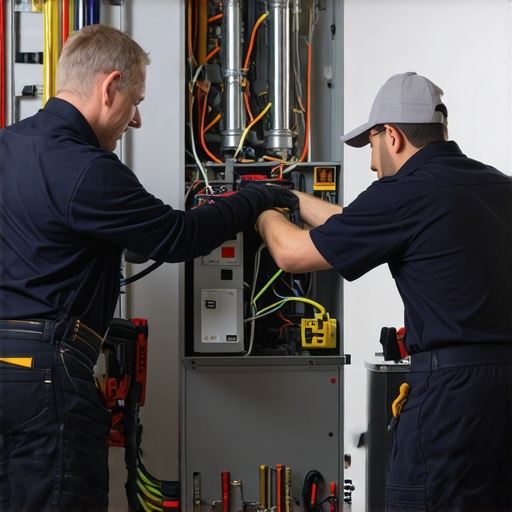
It was a freezing winter night when I first realized how vulnerable I was to a sudden furnace failure. The heater sputtered and died just as I was about to settle in for a peaceful night. That moment of helplessness was eye-opening. I wondered, “How could I have overlooked the importance of reliable furnace repair and heating services?” Since then, I’ve learned that timely, expert assistance isn’t just a convenience — it’s a necessity. If you’ve ever faced a cold night with no heat, you know exactly what I mean.
Why Reliable Furnace Repair and Heating Services Matter Right Now
As temperatures drop, your furnace becomes more than just a comfort — it’s a vital safeguard against the cold. But what happens when your system starts acting up? Many homeowners delay repairs, hoping issues will resolve on their own. That’s a mistake. Ignoring early signs of trouble can lead to costly breakdowns, increased energy bills, and even safety hazards. According to industry experts, a well-maintained furnace can last up to 15 years, but neglecting regular repairs shortens its lifespan significantly. That’s why trusting seasoned professionals like Next-Level HVAC is crucial for keeping your home warm and safe.
Question Header: Is Furnace Repair & Heating Service Actually Worth the Hype?
I used to think that a simple fix or DIY approach was enough. I made the mistake early on of trying to troubleshoot my furnace without proper knowledge, which only worsened the problem. Over time, I realized that professional repair services are worth every penny — they ensure safety, efficiency, and peace of mind. Skilled technicians diagnose issues accurately and use industry-leading tools to restore your system’s performance. If you’re skeptical, remember that a reliable service can save you money in the long run by preventing minor issues from turning into emergencies. To learn more about common myths, check out Furnace Repair Myths Debunked.
Now that I’ve shared my experience, let’s explore how you can ensure your furnace stays in top shape and how to identify when professional help is needed. Staying proactive is the key to comfort and safety during the cold months. Ready to dive into the practical steps? Let’s get started.
Assess Your System Regularly
Start with a visual inspection of your furnace. Look for signs of wear, such as rust, corrosion, or unusual noises. During my own experience, I noticed a strange rattling sound one morning. Rather than ignoring it, I promptly scheduled a professional inspection. This proactive approach prevented a potential breakdown during the coldest night of winter. Regular checks help you catch issues early and plan for repairs before they escalate.
Understand the Warning Signs
Pay attention to indicators like uneven heating, increased energy bills, or frequent cycling. When my furnace began short-cycling, I immediately contacted Next-Level HVAC, which diagnosed and fixed a faulty thermostat. Recognizing these signs early can save you money and prevent safety hazards. For detailed insights into urgent repairs, visit how to identify when furnace repair is urgent.
Schedule Professional Maintenance
Don’t wait until the system fails. Schedule annual maintenance with licensed technicians. During my maintenance appointment, the technician cleaned the burners, replaced filters, and checked for leaks. This routine service improved efficiency and extended the lifespan of my furnace. Regular tune-ups are like servicing your car — they keep everything running smoothly and prevent costly repairs down the line. For innovative heating solutions, explore heating service innovations for 2025.
Learn Basic Troubleshooting
Familiarize yourself with simple troubleshooting steps, such as ensuring the thermostat is set correctly or checking power switches. I once fixed a minor issue by resetting the circuit breaker, which saved me a service call. Keep a list of common issues and solutions, but remember that complex problems require expert intervention. For DIY hacks, see heating service hacks for comfort and savings.
Choose the Right Repair Professionals
Research local HVAC companies, read reviews, and verify credentials. When my furnace broke down unexpectedly, I chose Next-Level HVAC for their reputation and transparent pricing. A dependable professional not only repairs your system but also helps you understand future maintenance needs. To ensure quality service, check out top HVAC repair strategies to extend your system’s life.
Document and Follow Up
Keep records of repairs, maintenance dates, and warranties. After a repair, I documented the work and scheduled a follow-up check to ensure everything functioned correctly. This habit helps you track the health of your furnace and anticipate future needs. For ongoing tips, visit preventative HVAC repair tips.
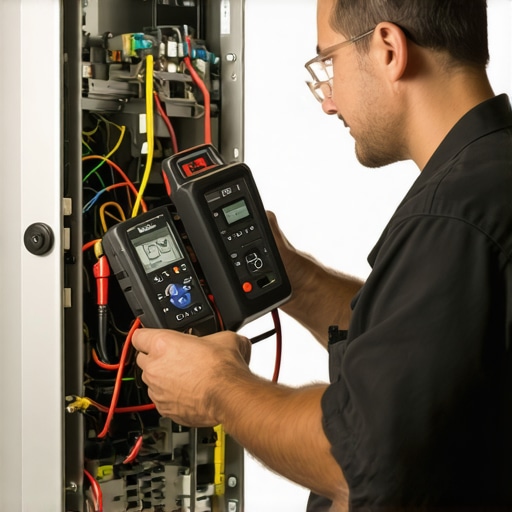
Imagine a professional technician inspecting a furnace with advanced diagnostic tools, ensuring your system runs efficiently and safely.
When it comes to furnace repair, many homeowners operate under a set of myths that can lead to costly mistakes. For example, a common misconception is that all repairs are simple and DIY-friendly. In reality, the nuances of modern HVAC systems require a deep understanding of complex components and diagnostic tools. Trying to fix a furnace without professional expertise not only risks further damage but can also compromise safety. Skilled technicians use advanced diagnostic techniques, like thermal imaging and airflow analysis, to identify issues that are invisible to the untrained eye. This level of precision is essential for effective repairs and long-term system health. Let’s dig deeper into what most people get wrong about furnace repair and how understanding these nuances can save you money and stress.
Maintaining your furnace over time requires more than just occasional inspections; it demands the right tools and a strategic approach to troubleshooting and ongoing care. As I’ve learned through my experience, investing in high-quality diagnostic and maintenance equipment can significantly extend the lifespan of your system and improve its efficiency.
Why Quality Tools Matter
Using professional-grade tools ensures accurate diagnostics and effective repairs. For instance, I personally rely on an infrared thermal camera during inspections. This device helps me detect hidden heat leaks, uneven temperature distribution, or faulty components that are not visible to the naked eye. It’s a game-changer for early problem detection and prevents minor issues from escalating.
My Recommended Tools for Furnace Maintenance
One of my go-to tools is a digital manometer, which measures pressure in your system’s gas lines. Proper pressure levels are crucial for safe and efficient operation. I prefer models that connect via Bluetooth, allowing me to record readings easily and compare them over time. Additionally, I always keep a quality multimeter handy to check electrical connections and circuit continuity— essential for diagnosing electrical faults quickly.
For filter replacements and cleaning, I recommend a cordless vacuum with a HEPA filter. It makes removing dust and debris from vents and filters straightforward, maintaining airflow and preventing blockages. A magnetic inspection mirror is also invaluable for reaching tight spots behind your furnace, ensuring you don’t miss any accumulated dirt or corrosion.
Tools for Long-term Results
Beyond immediate repairs, I strongly advocate for a maintenance schedule that incorporates regular checklists. Creating a digital log using simple spreadsheet software helps track inspection dates, parts replaced, and issues detected. This proactive approach enables me to plan for replacements and upgrades, avoiding emergency repairs during the coldest nights.
Future Trends in Furnace Maintenance
Looking ahead, I predict a rising trend toward smart diagnostics integrated with IoT (Internet of Things) technology. Devices that monitor system performance in real-time and send alerts to your smartphone will become standard, allowing homeowners to catch issues early without manual inspections. Embracing these innovations now can save time and money in the long run.
How do I maintain my furnace over time?
The key is a consistent routine: schedule annual professional tune-ups, use diagnostic tools regularly, and keep detailed records of system performance. By doing so, you ensure your furnace remains reliable and efficient for many years. If you’re interested in advanced maintenance techniques, I recommend trying out thermal imaging inspections — they’ve transformed how I approach furnace care.
For more insights into modern heating system care, visit heating service innovations for 2025. This ongoing investment in your system’s health not only saves money but also provides peace of mind during those cold winter nights.
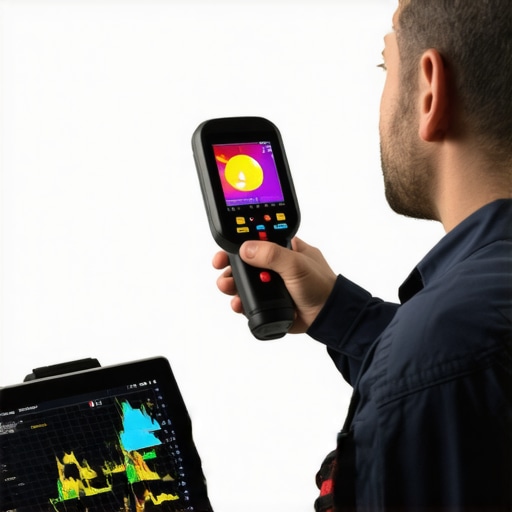
Imagine a technician utilizing a thermal camera to diagnose hidden issues in a furnace, ensuring optimal performance and safety.
The Hardest Lesson I Learned About Furnace Repairs
One of the most eye-opening experiences I had was realizing that not all furnace issues are straightforward. Early on, I believed in quick fixes and DIY solutions, but I soon learned that some problems require a professional touch. This taught me the importance of trusting expert technicians who use advanced diagnostic tools to identify underlying issues that are invisible to the untrained eye.
3 Myths About Furnace Maintenance That Held Me Back
I used to think that regular maintenance wasn’t crucial if the furnace seemed to be working fine. However, I discovered that neglecting routine checkups shortens the system’s lifespan and can lead to costly repairs. Busting these myths helped me see the value of scheduled professional tune-ups and early problem detection.
What Experts Won’t Tell You About Furnace Systems
Many professionals keep certain insights to themselves—like how small signs, such as uneven heating or increased energy bills, can be early warning signals. Learning to recognize these signs early can save you money and prevent emergencies. This knowledge has truly transformed how I care for my furnace, making me more proactive rather than reactive.
http://Sarah%20Johnson
Reading this post really resonated with me, especially the part about proactive maintenance. I once ignored the early signs of my furnace acting up—thinking it was just a minor issue—and it ended up breaking down completely during a cold snap, which was quite stressful. Since then, I’ve started scheduling annual checkups and paying closer attention to any irregular noises or fluctuations in heating efficiency. One thing I’ve learned is that investing in good diagnostic tools like thermal cameras and pressure gauges has made a huge difference in catching problems early. It’s amazing how much detailed inspection can reveal that the naked eye can’t see, preventing small issues from turning into costly repairs. My question is, at what point should a homeowner seek urgent professional help versus attempting minor troubleshooting on their own? I’d love to hear other experiences on identifying real emergencies before they escalate.
http://Michael%20Lee
This article hits home for me, especially about the importance of proactive maintenance. I used to ignore the warning signs like strange noises or fluctuating heating, thinking minor issues could wait. However, during a particularly cold winter, my furnace unexpectedly failed, which was both stressful and costly. Since then, I’ve invested in regular professional inspections and learnt to recognize early signs of trouble. Using tools like thermal cameras and pressure gauges has been a game changer in spotting issues before they become emergencies. I wonder, in your experience, how often should homeowners schedule in-depth diagnostics versus simple tune-ups? Are there specific signs that clearly indicate it’s time for a professional inspection rather than DIY troubleshooting? Would love to hear your insights or anything you recommend for making furnace maintenance more manageable and effective.
http://Emily%20Roberts
Reading this post really hit home for me, especially the part about how important proactive furnace maintenance is. I used to ignore the early warning signs like strange noises or uneven heating, dismissing them as minor issues. But last winter, my furnace unexpectedly shut down during a cold snap, which was incredibly stressful and costly to fix last minute. Since then, I’ve prioritized annual checkups and started using diagnostic tools like thermal cameras to catch problems early. I’ve found that regular inspections and understanding the warning signs really make a difference in avoiding emergencies. Has anyone here experienced a situation where a small issue turned into a major repair because it was ignored? What was your tipping point for calling in a professional? I’d love to hear your stories or any tips on how to better identify urgent repairs before they become real crises.