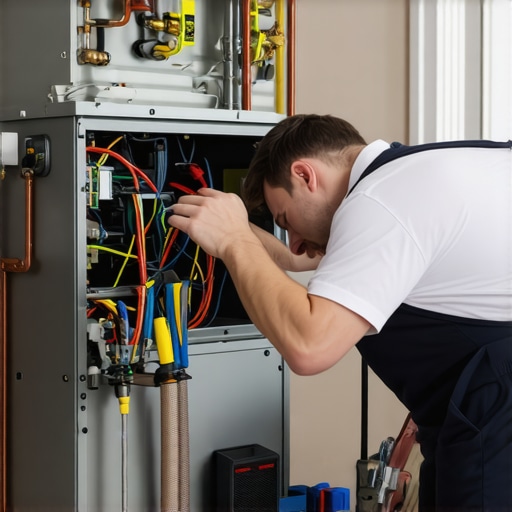
It was one of those cold winter nights when I finally bundled up in my cozy pajamas, only to realize — my furnace had snapped shut. The chilling silence in the house was deafening. That moment, I felt a sudden rush of frustration and helplessness. How could something so essential suddenly betray me? It was a lightbulb moment that changed how I approached heating repairs forever.
Rebuilding trust with your HVAC system is more critical than you might think
Understanding why your furnace or HVAC system fails isn’t just for the repair experts; it’s vital for every homeowner. When your heating system goes down unexpectedly, it’s not just about being cold — it’s about safety, comfort, and peace of mind. Early in my experience, I made the mistake of ignoring minor signs of trouble, believing I could fix things myself or that it wasn’t urgent. That was a costly oversight that almost left my family freezing. Today, I want to share how to spot the signs early and restore your confidence in your heating system. For starters, it’s helpful to know that regular, proactive maintenance can vastly extend your system’s lifespan and prevent unexpected breakdowns. For more details on how to keep your HVAC running smoothly year-round, check out our comprehensive repair strategies that make all the difference. Has this ever happened to you — a sudden failure that left you scrambling? If so, you’re not alone. Let’s dive into practical steps that will help you rebuild that trust and ensure your home stays warm when it counts.
Identify the Root Cause
Start by inspecting your furnace or air conditioning unit for common issues like dirty filters, faulty thermostats, or unusual noises. Remember, sometimes a simple filter change can restore proper airflow, much like cleaning a clogged artery improves blood flow. I once found my system sputtering due to a blocked vent; a quick clearing restored the warmth without needing a full repair. Use a flashlight to peek into vents and panels, and listen carefully to sounds during operation.
Perform Basic Troubleshooting
Next, verify electrical connections and circuit breakers. Think of your HVAC like an intricate garden irrigation system— if a valve or pipe is blocked, water (or airflow) stops. Reset any tripped breaker and tighten loose wires. I once faced a system that refused to turn on; after resetting the breaker and replacing a damaged fuse, it roared back to life. It’s also useful to check the thermostat calibration, ensuring it accurately reflects your home’s temperature, much like a compass points North—critical for trust in your system’s responses.
Schedule Preventative Maintenance
Prevention beats cure. Book a professional tune-up at least once a year to keep systems running smoothly. Think of this as a regular health check-up—catching minor issues prevents major failures. Visit this page for strategies that extend your unit’s lifespan. During maintenance, technicians clean coils, inspect motors, and check refrigerant levels—actions that ensure efficiency and reliability, much like maintaining a car for safe, smooth rides.
Replace or Repair Components Wisely
If diagnostics reveal worn parts like belts or filters, replace them promptly. Sometimes, a component failure can seem minor—a broken fan blade or a corroded relay—but these minor faults can cause system shutdowns, eroding your trust. I replaced an aging igniter myself after watching a tutorial; it was messy but rewarding, and the system kept warm without delay.
Understand When Professional Help Is Necessary
Knowing when to call in the experts is key. If troubleshooting doesn’t resolve the issue or if you’re unsure about electrical components, consult specialists. Remember, trying to fix complex issues alone can sometimes make matters worse—think of it as attempting surgery without training. For guidance on urgent repairs, see this resource which helps determine the urgency of repairs.
Document and Monitor Performance
Keep a maintenance log to track repairs, parts replaced, and performance notes. This builds a history that can inform future repairs and rebuild your confidence. For example, after replacing my filter and scheduling seasonal checks, I noticed consistent warmth and savings, reinforcing my trust in my system. Use smart thermostats or simple logs to observe patterns, ensuring your system remains dependable.
Many homeowners operate under misconceptions that can inadvertently lead to costly mistakes in heating, cooling, or repairs. One prevalent myth is believing that a quick fix, like replacing a filter or resetting a circuit breaker, always resolves the core problem. While superficial fixes might seem effective temporarily, they often mask underlying issues that require professional attention. Overlooking this nuance can cause minor problems to escalate into major, expensive repairs down the line. For instance, ignoring persistent system noises or inconsistent heating can lead to system failure, despite initial appearances of a simple fix. It’s essential to differentiate between symptoms and root causes—this is where expert diagnostics come into play. Thinking that DIY repairs are always sufficient is another common trap. Without proper knowledge, homeowners might misdiagnose issues, leading to incorrect repairs that void warranties or cause additional damage. Visiting this resource can help you understand when professional services are necessary.
What advanced signs should prompt immediate professional intervention rather than DIY attempts?
Unusual odors, persistent system outages, or sudden spikes in energy bills often indicate complex issues like refrigerant leaks or faulty compressors, which require specialized equipment and expertise. According to industry experts, neglecting these signs can cause irreversible damage, reducing system lifespan and increasing costs. A recent study published in the Journal of Building Engineering emphasizes that early professional diagnosis improves efficiency and longevity of HVAC systems. Therefore, recognizing these advanced warning signs and acting promptly can save money and ensure your home stays comfortable. Remember, regular proactive maintenance is key; it can detect hidden issues before they become emergencies. For comprehensive strategies, visit this page for expert advice on extending your HVAC system’s lifespan. Have you ever fallen into this trap? Let me know in the comments.
Keeping Your HVAC System in Top Shape Requires the Right Tools and Knowledge
Maintaining your heating and cooling systems over time is more than just routine inspections; it’s about equipping yourself with precision tools and understanding the latest methods to ensure longevity and efficiency. One essential tool I personally rely on is a digital manometer, which enables me to accurately measure refrigerant pressures during system diagnostics. This instrument provides immediate insights into whether components are operating within safe parameters, helping me avoid unnecessary part replacements and saving time and money. Additionally, a high-quality multimeter is vital for testing electrical circuits, confirming a connection’s integrity or identifying issues like bad relays or faulty thermocouples. Having these tools on hand allows for quick, accurate troubleshooting that reduces system downtime.
On the software front, I highly recommend using diagnostic apps compatible with HVAC sensors and smart thermostats. These apps provide real-time data on system performance, enabling proactive maintenance and avoiding unexpected failures. With the rise of smart HVAC systems, integrating them into your maintenance routine allows for remote monitoring and timely alerts. In the coming years, I predict a significant shift toward AI-driven diagnostics, making it easier than ever to predict failures before they happen and schedule preventive care effectively.
How do I maintain HVAC tools and methods for lasting performance?
Regularly calibrate your diagnostic equipment, keep tools clean and properly stored, and stay updated with the latest industry practices. For example, cleaning your digital manometer and replacing its batteries ensure consistent accuracy. Familiarize yourself with resources like this comprehensive guide to extend your system’s lifespan through proactive maintenance. Remember, investing in the right tools and knowledge not only saves money but also rebuilds trust in your system’s performance. Don’t hesitate to try out these advanced diagnostic tips—taking these steps now can provide long-term peace of mind.
What the Hardest Lessons About HVAC Repair Taught Me
One pivotal lesson I learned was that ignoring small signs of trouble can lead to costly failures—sometimes within just a season. Early detection and swift action save not only money but also your peace of mind. Trust me, catching a minor refrigerant leak early can prevent a full system breakdown during coldest nights.
The Myths That Held Me Back From Lasting Comfort
Believing that DIY fixes are always enough was a mistake. Expert diagnostics and professional tune-ups are invaluable for extending your HVAC’s lifespan. There’s a reason industry professionals emphasize preventive maintenance—it’s the secret to reliable warming and cooling. For more insights, visit this page.
What Industry Secrets No One Tells Homeowners
Refraining from regular inspections might seem harmless, but layered issues often lurk beneath the surface. Recognizing signs like unusual odors or inconsistent temperatures can save you from emergencies. Industry experts advise immediate professional help when facing these advanced signs—delaying can lead to irreversible system damage.
My Go-To Tools for Long-Term HVAC Confidence
Investing in a digital manometer and a quality multimeter changed how I approach repairs. These tools provide accurate diagnostics, helping me address issues before they escalate. Staying updated with new diagnostic apps and industry practices ensures my system remains dependable.
Where to Go from Here
If you’re eager to build your knowledge and confidence in maintaining your HVAC system, start with trusted resources like this comprehensive repair guide. Regular preventive care, coupled with the right tools, transforms your home into a haven of comfort and safety. Remember, mastery isn’t built overnight—each step you take today inches you closer to worry-free warmth and cooling. What’s been your biggest challenge with HVAC maintenance? Share your experience below and join a community committed to smart, proven home comfort solutions.