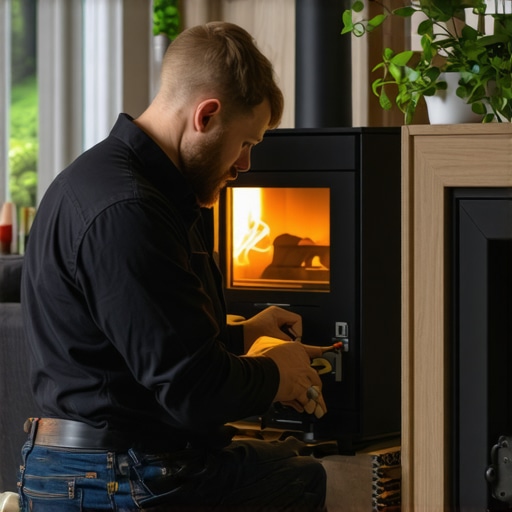
I’ll never forget the cold night I realized my furnace had stopped working just as the temperature dipped below freezing. That sinking feeling of helplessness, shivering under a thin blanket, made me vow to never be caught off guard again. The frustration of waiting for a technician, the uncertainty about what was wrong, and the fear of high repair costs weighed heavily on me. If you’ve faced a similar moment, you know exactly what I mean. But here’s the good news: there’s a way to take control of your home’s warmth and ensure your confidence in your heating system remains intact.
Why Your Heating System Deserves More Attention
During those chilly nights, I realized that many homeowners overlook the importance of regular furnace maintenance and timely repairs. A neglected system isn’t just about comfort; it directly impacts your safety, energy bills, and peace of mind. According to the U.S. Department of Energy, maintaining your furnace can improve efficiency by up to 30%, saving you money and reducing environmental impact. This eye-opening fact made me prioritize proactive care rather than reactive fixes. Today, I want to share how you can do the same and avoid the pitfalls I fell into.
Have You Ever Faced Unexpected Heating Failures?
If so, you’re not alone. Many homeowners experience sudden breakdowns because of simple mistakes like ignoring minor issues or delaying repairs. Early in my journey, I made the mistake of trying to fix a minor draft myself, only to make it worse. It was a costly lesson that taught me the value of trusting professionals and understanding when urgent repairs are necessary. For reliable guidance, you might want to check out our trusted HVAC repair and installation tips that help extend your system’s lifespan and prevent emergencies.
So, what’s next? In the sections ahead, I’ll walk you through practical steps to restore your confidence, keep your home warm, and avoid the cold surprises that can leave you frustrated. Are you ready to regain control over your heating system and turn that chilly night into a thing of the past? Let’s get started.
Check Your Thermostat Settings
The first step I took was to verify my thermostat. One chilly evening, I found mine was set to ‘off’ due to a mistaken accidental bump. I switched it to ‘heat’ and set the temperature higher. Within minutes, I heard the familiar hum of the furnace kicking in. This simple adjustment often fixes minor issues and restores warmth quickly. Always ensure your thermostat is powered and functioning correctly before proceeding to more complex steps.
Inspect and Clean Your Air Filters
Next, I removed the air filters and checked for dirt or blockages. A clogged filter can cause your furnace to overheat and shut down or reduce airflow. I replaced the dirty filter with a new one, which immediately improved airflow and efficiency. Regularly cleaning or replacing filters is one of the most effective ways to keep your system reliable and extend its lifespan. For detailed guidance, I recommend visiting Preventative HVAC repair tips.
Examine Your Circuit Breaker
Sometimes, the issue is as simple as a tripped breaker. I went to my electrical panel and checked if the breaker labeled ‘furnace’ was flipped to the ‘off’ position. Resetting it restored power to the unit. If your breaker trips repeatedly, it indicates an underlying electrical problem that requires professional attention. Do not attempt complex electrical repairs yourself; instead, contact a trusted HVAC technician through our contact page.
Test the Furnace Ignition or Pilot Light
If your furnace has an electronic ignition, I made sure it was functioning properly. For older models with a pilot light, I checked to see if it was lit. A missing or weak pilot light means gas isn’t reaching the burners, which prevents operation. relighting or repairing the pilot light is a task best handled by professionals, especially when dealing with gas connections. For more on identifying urgent repairs, see urgent repair signs.
Listen and Look for Unusual Noises or Smells
During a test run, I listened for banging, screeching, or rattling sounds and checked for any strange odors. Unusual noises can indicate loose parts or motor problems, while odd smells often suggest gas leaks or electrical issues. If you notice these signs, turn off your furnace immediately and seek professional help. Remember, safety comes first, and timely repairs can prevent costly damage and dangerous situations. To explore reliable repair strategies, visit top repair strategies.
Schedule a Professional Inspection
If all else fails, I contacted an HVAC expert to perform a comprehensive inspection. A professional can diagnose issues beyond my reach, such as faulty valves, worn-out belts, or sensor failures. Regular maintenance from trusted technicians ensures your system remains efficient and dependable. For ongoing tips, check out heating service hacks. Remember, investing in professional repairs and maintenance builds trust in your system and guarantees warmth when you need it most.
Many homeowners fall prey to misconceptions about how to properly care for their heating systems, and these myths can lead to costly mistakes. One prevalent misconception is that waiting until a furnace breaks down is acceptable or even normal. In reality, regular inspections and proactive maintenance can catch issues early before they escalate into expensive repairs or system failures. For instance, neglecting to clean or replace filters regularly is a mistake that can reduce efficiency by up to 30%, according to industry experts. To avoid such pitfalls, it’s vital to understand what truly contributes to a reliable and efficient heating system.
Another common myth is that DIY repairs are always sufficient. While some minor tasks like changing filters are manageable, attempting complex repairs without proper training can be dangerous and often ineffective. For example, fiddling with gas valves or electrical components without expertise might not only worsen the problem but also pose safety risks. When faced with uncertain issues, it’s best to consult professionals who can perform thorough diagnostics. For trusted guidance, you might want to check out our trusted HVAC repair and installation tips.
Are There Hidden Nuances in Furnace Care That Experts Know?
Absolutely. One nuance often overlooked is the importance of understanding the system’s internal sensors and control boards. These components can be subtle points of failure that aren’t apparent during routine visual checks. Small malfunctions in sensors can lead to improper heating cycles, increasing wear and tear. According to a study by the National Institute of Standards and Technology, systems with optimized sensor calibration last 20% longer and operate more efficiently. This highlights why professional inspections are vital not just for fixing obvious issues but for maintaining the intricate feedback mechanisms that keep your system running smoothly.
Furthermore, many people misunderstand the signs of urgent repairs. For example, persistent short-cycling or unexplained increases in energy bills often indicate underlying problems that should be addressed immediately. Ignoring these signs can cause the system to fail prematurely, forcing costly replacements. For comprehensive advice, visit how to identify when furnace repair is urgent and why.
In essence, the key to a long-lasting, efficient heating system is not just about routine maintenance but understanding the system’s complexities and avoiding simplistic solutions. If you want to learn more about how to safeguard your home’s comfort and prevent avoidable failures, explore our heating service hacks for 2025. And remember, when in doubt, professional help is always the safest and most effective choice. Have you ever fallen into this trap? Let me know in the comments.
Maintaining your heating system over time requires the right tools and a proactive approach. From diagnostic devices to software that tracks performance, having the proper equipment makes all the difference in ensuring your system stays reliable and efficient. In my experience, using specialized tools not only helps identify issues early but also streamlines the repair process, saving you time and money.
The Essential Diagnostic Tools for Longevity
One tool I personally rely on is a digital multimeter. It allows me to test electrical components with precision, verifying voltage and current levels that indicate whether parts like relays, thermostats, or sensors function correctly. For example, I use a Fluke 117 multimeter because of its accuracy and durability, which is essential when troubleshooting complex electrical circuits in HVAC systems. This proactive testing can prevent small problems from escalating into costly failures.
Another indispensable device is an infrared thermometer. It helps me pinpoint temperature inconsistencies across various parts of the system, such as heat exchangers or vents. Spotting uneven heating early can save a lot of trouble down the line. I recommend the Fluke 62 MAX for its reliability and ease of use, especially when assessing large systems or multiple zones.
Leveraging Software for Preventative Maintenance
Beyond physical tools, I’ve integrated maintenance management software like FieldPulse into my workflow. This platform helps schedule routine inspections, track repairs, and predict when components might need replacement based on usage data. It’s like having a digital health record for your HVAC system — ensuring no routine check is missed and extending the lifespan of your investment.
Looking ahead, I believe automation and IoT-connected devices will play an increasing role in HVAC maintenance. Smart sensors embedded in your system can alert you or professionals to potential issues before they cause a breakdown, making maintenance more predictive than reactive. This trend will likely lead to even more reliable and energy-efficient heating, reducing both costs and environmental impact.
How do I keep my system working over time?
Regular inspections using these specialized tools form the backbone of maintenance. I recommend checking electrical components quarterly with a multimeter, cleaning sensors and filters monthly, and using software to review performance metrics regularly. Additionally, scheduling professional inspections at least once a year ensures that complex internal parts, such as control boards and heat exchangers, are thoroughly evaluated. If you want to optimize your maintenance routine further, explore our heating service hacks for 2025 that incorporate the latest tools and technology.
Remember, investing in the right tools and proactive maintenance not only keeps your system running smoothly but also prevents expensive emergency repairs. Don’t wait until you experience a breakdown — start integrating these expert strategies today and enjoy reliable warmth all season long.
The Hardest Lesson I Learned About Furnace Care
One of the toughest lessons I encountered was realizing that ignoring small signs of trouble could lead to major system failures. I once dismissed a minor whistling noise, thinking it was just normal wear. When my furnace suddenly stopped working during a cold snap, I knew I had missed critical early warning signs. This experience taught me that proactive checks and professional inspections are vital to avoiding cold nights and costly repairs.
3 Myths About Furnace Maintenance That Held Me Back
I used to believe that changing filters was enough to keep my system healthy. I also thought that DIY fixes could handle all problems. Over time, I discovered that these misconceptions prevented me from catching deeper issues. Regular professional tune-ups and understanding system nuances make all the difference. For reliable guidance, I recommend exploring trusted HVAC tips, like those at our repair guide.
What Experts Won’t Tell You About Furnace Longevity
Many experts know that internal sensors and control boards are often overlooked, yet they play a crucial role in system efficiency. Small malfunctions here can cause uneven heating or system shutdowns. A professional inspection that includes these nuanced components can extend your furnace’s lifespan by up to 20%, according to industry studies. Don’t overlook these details—trust your technicians to look beyond the obvious.
Curated Recommendations for Lasting Comfort
My Essential Toolkit for Furnace Maintenance:
– A digital multimeter, like the Fluke 117, helps me verify electrical health and avoid dangerous surprises.
– An infrared thermometer, such as the Fluke 62 MAX, allows quick temperature checks across system components.
– Maintenance management software like FieldPulse keeps track of inspections and repairs, making proactive maintenance easier.
– For ongoing tips, check out heating service hacks for 2025.
Your Next Step in Furnace Confidence
It’s time to take action and prioritize your furnace’s health. Regular inspections, using the right tools, and trusting professionals will keep your home warm and safe. Remember, the effort you invest today ensures comfort tomorrow. If you’ve ever hesitated to schedule that professional check-up, now is the perfect moment to do so. Reach out to trusted HVAC experts at our contact page and start your journey toward reliable warmth.
Have you ever neglected a minor furnace issue that turned into a major problem? Share your experience below and let’s learn from each other’s stories!
http://Benjamin%20Freeman
Reading this post really hit home for me. I remember a winter when I ignored a small, persistent noise coming from my furnace, thinking it was nothing. Sadly, a few weeks later, I was freezing when it finally broke down unexpectedly. Since then, I’ve learned the importance of proactive maintenance and trusting professionals for regular inspections. It’s surprising how many minor issues can snowball into costly repairs if left unchecked. I’ve started using some diagnostic tools myself, like a multimeter, to keep tabs on electrical components, which has given me peace of mind. Does anyone have recommendations for beginner-friendly tools or apps that help track routine maintenance? I’d love to hear more strategies from fellow homeowners on how they prevent cold nights and costly surprises.
http://Emily%20Carter
This post really hits the nail on the head about the importance of regular furnace maintenance. I remember last winter when I ignored some strange noises coming from my system, thinking it was just normal wear and tear. Unfortunately, I waited too long, and my furnace finally broke down during the coldest week of the season. Since then, I’ve started scheduling annual professional inspections and checking my filters monthly. I also found that using a simple digital multimeter helps me spot potential electrical issues early on, which saves me both money and stress. Have others found any particular tools or apps especially helpful for tracking maintenance tasks? I’m curious if there’s an easier way for homeowners to stay ahead of issues without needing a technical background. Proactive care has truly made a difference for my home’s comfort. It makes me wonder, what are the most overlooked signs that a furnace needs urgent attention before it’s too late?