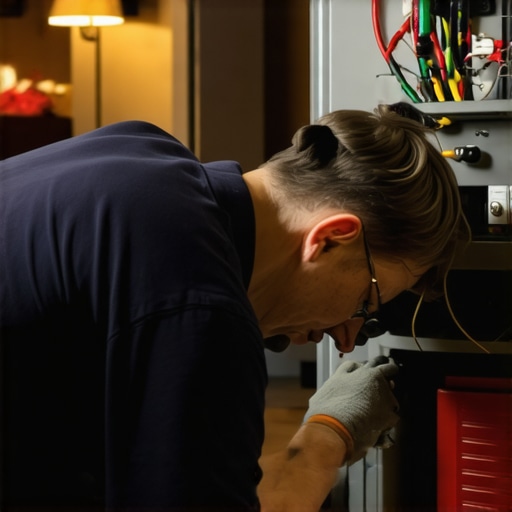
One chilly evening, I realized my heater had turned into a useless box of metal just when I needed warmth the most. I was shivering under an insulating blanket, nervously wondering if I had let my home comfort slide for too long. That frustrating moment became my lightbulb moment—trust in heating systems isn’t just about making sure they work; it’s about understanding when they’re at risk and how to get help fast. Today, I promise to share real strategies that will help you avoid the cold surprise and rebuild trust in your home’s heating system.
Why Ignoring Your Furnace Can Leave You Out in the Cold
It’s easy to dismiss furnace maintenance until it’s too late. But a neglected system isn’t just a discomfort—it’s a safety risk, a costly repair, and an energy waster. I learned early on that a simple mistake, like ignoring odd noises or pricey fuel bills, can signal major issues lying ahead. According to industry experts, neglecting regular HVAC checkups can lead to system failure, which in turn causes higher energy consumption and increased emergency repairs (source: Furnace Repair Myths Debunked by Industry Experts). That’s why I now commit to proactive maintenance and know the signs of impending failure. Have you ever faced a sudden furnace breakdown that left your family shivering? If so, you’re not alone. But don’t worry—there’s a way out, and it starts with understanding your system better and taking swift action. Now, let’s dive into the essential steps that can save your comfort, your wallet, and your peace of mind.
Inspect Your System Regularly for Early Warning Signs
In my own experience, catching issues early can save hours of cold nights. Start by visually examining your furnace or heat pump for dust, debris, or corrosion. Listen for unusual noises like banging or squealing that might indicate loose parts or worn belts. Check your thermostat settings to ensure they’re accurate and functioning properly. Think of your HVAC system as a car: regular visual checks and listening can highlight problems before they leave you stranded in the cold. Once, I noticed my furnace making a faint rattling noise, which I initially dismissed. However, a quick inspection revealed a loose panel, and tightening it prevented a potential breakdown. Remaining vigilant helps you act swiftly. For more detailed preventative tips, visit preventative HVAC repair tips that save money and ensure comfort.
Many homeowners believe that HVAC installations and repairs are straightforward processes, but those who delve deeper understand that countless pitfalls and misconceptions can compromise system longevity and efficiency. One common myth is that choosing the cheapest technician guarantees savings. In reality, low-cost services often cut corners, leading to costly failures down the line. An advanced mistake is neglecting system compatibility; installing a high-efficiency unit without considering your home’s insulation or ductwork can diminish performance and waste energy. According to industry expert insights, understanding the nuanced interplay of system components is vital for durable and efficient heating and cooling solutions (Furnace Repair Myths Debunked by Industry Experts).
How can homeowners identify if their HVAC technician truly understands system intricacies?
The trick lies in assessing their recommendations: do they consider your home’s unique characteristics, such as airflow dynamics and insulation levels? Or do they offer one-size-fits-all solutions? A technician with advanced expertise will conduct detailed analyses and suggest tailored solutions, instead of generic fixes. Overlooking these details can cause comfort issues and increase long-term expenses. Another overlooked aspect is the importance of ongoing preventative maintenance—many believe it’s optional, but regular checkups preserve system health. For practical advice on maintaining your HVAC, visit preventative HVAC repair tips. Recognizing these nuanced factors equips you to make smarter choices, avoid common pitfalls, and extend your system’s lifespan.
Have you ever fallen into this trap? Let me know in the comments.
Keeping It Running: The Tools Behind Reliable HVAC Maintenance
Maintaining your heating and cooling systems over time requires more than just basic knowledge; it demands the right tools to diagnose, repair, and optimize performance. One essential instrument I personally rely on is a digital manometer, which helps me measure pressure in refrigerant lines with high accuracy. This tool enables early detection of leaks and system imbalances, saving time and preventing costly repairs. Another indispensable device is an infrared nhiệt camera, allowing me to identify insulation deficiencies or electrical hotspots that could compromise system safety and efficiency. Investing in a quality multimeter also pays off, letting you verify electrical components quickly and safely. These tools collectively empower me to perform proactive maintenance, ensuring my systems operate at peak efficiency and extend their lifespan.
Onto software, I highly recommend using diagnostic programs like ServiceTitan or Housecall Pro. These platforms streamline scheduling, record-keeping, and even offer diagnostic assistance for complex issues. They help me track maintenance history, schedule preventative checkups, and generate reports that guide long-term strategy. As HVAC technology evolves, integrating smart tools such as IoT sensors into your system can give real-time performance data, alerting you to issues before they become apparent. This future-oriented approach is where I believe the industry is heading—toward intelligent, self-monitoring systems that reduce downtime and improve energy efficiency.
How do I maintain HVAC systems over time?
Consistency is key. Regularly scheduling professional tune-ups and cleaning ensures your system remains efficient and reliable. Lubricating moving parts, inspecting ductwork, and replacing filters as needed are routine tasks I perform biannually. Also, keeping a detailed maintenance log helps me track patterns and anticipate potential failures before they happen. Drawing from industry standards, I follow best practices outlined in sources like Top HVAC Repair Strategies, which emphasize preventive care and skilled troubleshooting.
To optimize your HVAC longevity, consider adopting advanced diagnostic tools and software. For example, implementing IoT-enabled thermostats can give you insights into system performance and usage patterns, making maintenance more data-driven and precise. I personally experimented with some of these smart devices last season, and they significantly reduced unexpected breakdowns.
Feel inspired? Try integrating a digital manometer into your routine or explore diagnostic software options today—small steps that can lead to significant savings and comfort improvements. For expert assistance tailored to your home, don’t hesitate to reach out through our contact page. Remember, investing in the right tools today pays dividends in long-term HVAC health and home comfort.
Over the years, I’ve discovered that the most valuable insights about HVAC systems come from hands-on experiences rather than textbooks. One of the deepest lessons I learned was that regular, proactive maintenance is the cornerstone of a reliable heating system. Waiting until it breaks down can be costly and uncomfortable. Trusting your instincts and recognizing early warning signs—like strange noises or inconsistent temperatures—can make all the difference.
Another revelation is that investing in quality tools and resources empowers homeowners to troubleshoot issues before calling in pros. For example, using a digital manometer or an infrared thermal camera has transformed how I approach system checks, providing clarity and saving money.
Most importantly, I realized that understanding your unique home’s needs and working with knowledgeable technicians—who consider system intricacies—leads to longer-lasting, more efficient heating solutions. The key is to stay informed and proactive, rather than reactive and hurried.