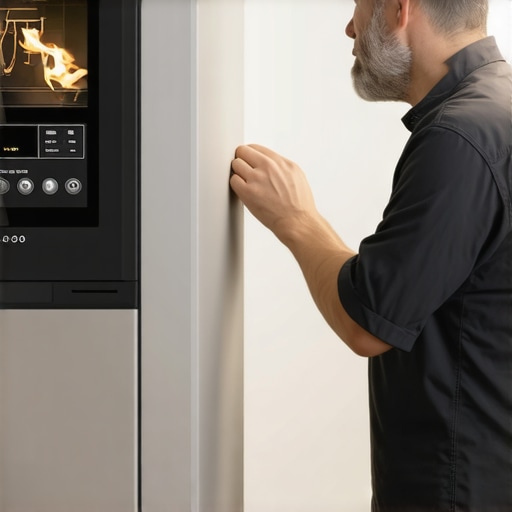
I remember that freezing night vividly — the kind where you wake up shivering under a pile of blankets, only to realize your furnace decided it’s done working just when you need it most. That cold, helpless feeling hit hard, especially when all I could think about was how I should have noticed the warning signs before the system gave out. It was a lightbulb moment that turned me into a proactive homeowner rather than a last-minute fixer.
As someone who’s been through it, I want to share how you can prevent those chilly surprises. Today, we’ll dive into the most common furnace issues, how to spot them early, and reliable solutions that build your confidence in home heating. Because knowing what to expect and having trusted solutions at hand can make all the difference when winter’s worst hits.
Why Your Furnace Might Be on Its Last Legs — Before It Actually Fails
Understanding the warning signs can save you from a cold night and costly repairs. Many homeowners overlook simple maintenance steps or dismiss strange noises as normal, unaware that these are often the first signals of trouble. For instance, a pilot light that flickers or a sudden spike in energy bills might indicate underlying issues that, if addressed promptly, prevent complete breakdowns. I learned firsthand that early intervention is key — I once ignored a persistent banging noise, only to find my furnace refused to turn on after a week of cold weather.
Regular maintenance not only catches problems early but extends the life of your heating system. Check out our tips on [heating service hacks for comfort and savings in 2025](https://heatprosservices.com/heating-service-hacks-for-comfort-and-savings-in-2025) to keep your furnace running smoothly. Remember, early detection and regular upkeep can save you from being that homeowner freezing in their own home.
Skeptical About DIY Fixes? You’re Not Alone
I won’t sugarcoat it — tackling furnace repairs yourself can be tempting. In fact, I made the mistake early in my journey by trying to fix a faulty thermostat myself. It seemed simple enough, but I inadvertently made the problem worse. That’s when I realized how crucial it is to know your limits and when to call in a professional. Check out [furnace repair myths debunked by industry experts](https://heatprosservices.com/furnace-repair-myths-debunked-by-industry-experts) to separate fact from fiction.
Emergencies can happen unexpectedly, so having trusted contacts and understanding which repairs are safe to attempt is vital. In the following sections, I’ll guide you through identifying urgent issues and how professional help restores your confidence in your home’s warmth. Ready to learn what truly keeps your furnace reliable? Let’s get started.
Get Hands-On with Your Furnace Maintenance
Start by turning off your furnace to ensure safety—you don’t want to be working with live components. Then, locate your system’s access panel, typically at the front or side of the unit, and carefully remove it. Inspect the interior for dust buildup, debris, or any obvious signs of wear. Think of it as cleaning a camera lens before shooting — clarity depends on it. Use a vacuum or a brush to gently clear out dust, especially around the blower wheel and motor components.
Examine the Thermostat and Electrical Connections
Faulty signals or loose wiring can prevent your furnace from firing up. Check the thermostat settings—they should be set to ‘Heat’ and at a temperature higher than your room’s current temperature. If it’s battery-operated, replace the batteries to eliminate power issues. Next, visually inspect wiring connections for corrosion, disconnection, or damage; secure any loose wires. Think of it like ensuring all cables are snug when connecting a device, because a loose connection could be a simple fix preventing your heater from turning on. For more detailed troubleshooting steps, visit our guide on when furnace repairs are urgent.
Test the Pilot Light or Electronic Ignition
If your furnace uses a pilot light, inspect its status—if it’s out, relight it following the manufacturer’s instructions. For electronic ignition systems, listen for clicking sounds when attempting to start; a lack of sound may indicate a failed igniter or control module. If you notice a yellow or flickering pilot flame, it’s a sign that your system might be drawing in carbon monoxide and requires immediate professional attention. Remember, never attempt to handle gas components without proper expertise. For safety tips, check out HVAC fixes every homeowner should know.
Assess the Blower Motor and Fan
With power restored, verify if the blower motor is functioning by listening for it to kick on when the thermostat signals heat. If it doesn’t, turn off the power and manually spin the blower wheel; if it spins freely, the motor might be malfunctioning. Use a multimeter to check electrical continuity if needed. Think of the blower motor like the engine of a car—if it’s not turning, nothing else in the system can do its job. Regular lubrication and cleaning help prevent this issue, which is why annual check-ups are vital. For more strategies to prolong your HVAC system’s lifespan, see our top repair strategies.
Identify and Replace Worn-Out Components
Look for damaged or worn components such as belts, bearings, or filters. A squealing noise might suggest a belt needing replacement, similar to a worn-out bicycle chain that squeaks with every pedal. Filters should be changed regularly—clogged filters restrict airflow, making your system work harder. Consider the analogy of breathing through a straw—less airflow means more effort. Replacing filters is an easy DIY step that can immediately improve efficiency. For detailed DIY tips, visit our preventative maintenance tips.
Confirm Gas Supply and Safety Measures
Ensure the gas valves are open and unobstructed. Use a soapy water solution to check for leaks around connections—bubbles will indicate leaks, which should be handled by professionals. Never attempt to fix gas leaks yourself; it’s akin to handling explosive materials. When in doubt, always contact a licensed technician for safety. Proper gas supply is critical, and neglecting this step risks severe health hazards. For guidance on selecting trusted professionals, check our guide to trusted repair services.
Many homeowners fall prey to misconceptions about HVAC repair and maintenance, often leading to costly mistakes or overlooked issues. Contrary to popular belief, the biggest errors aren’t always caused by neglect, but sometimes by oversimplification of complex systems. For instance, many think that replacing a thermostat alone will fix all heating problems—yet, in reality, the root cause could be a faulty blower motor or a cracked heat exchanger, which require professional diagnosis. My experience shows that assuming DIY fixes are enough can dangerously extend system failures. A trap I’ve seen repeatedly is overspending on unnecessary parts due to misdiagnosis, as pointed out by HVAC experts in a recent study—this underscores the importance of trained assessment over guesswork.
**Why Most People Overlook the Nuances in HVAC Repair**
The hidden nuance many beginners miss is understanding how interconnected system components are. For example, a clogged air filter might seem like a minor nuisance, but it can reduce airflow so significantly that it causes a blower motor to overheat, risking permanent damage. This interconnectedness makes it crucial to consider how different parts influence each other rather than working in isolation. Industry professionals emphasize this holistic approach—skipping these insights often results in repeated service calls or incomplete repairs, which can be frustrating. To better grasp these intricacies, reading trusted, comprehensive guides like [the ultimate guide to AC installation](https://heatprosservices.com/ultimate-guide-to-ac-installation-expert-tips-for-2025-success) can dramatically improve your understanding.
**The Danger of Ignoring Advanced Symptoms**
A common myth is that only obvious problems require urgent repair. However, silent signs such as odd noises during startup or subtle gas odors might indicate serious issues like cracked heat exchangers or incomplete combustion—problems linked directly to safety risks. Recognizing these signs calls for expert assessment—something homeowners should never ignore. A vivid example from my experience involves a homeowner ignoring a persistent smell of gas; it turned out to be a small leak that was easily repaired when caught early.
How Can You Detect and Address Hidden HVAC Failures Before They Wreak Havoc?
Proactively, regular inspections and understanding system behaviors are key. A detailed maintenance routine, including checking electrical connections, flame appearance, and airflow, can reveal early warning signs—saving you from expensive repairs or safety hazards. Industry regulations, supported by studies like those from the Department of Energy, recommend annual thorough checkups, emphasizing the importance of professional evaluations over DIY shortcuts. Remember, trusting trained technicians ensures that subtle issues are identified before they escalate. Want to build a solid preventative approach? Explore our [preventative HVAC repair tips](https://heatprosservices.com/preventative-hvac-repair-tips-for-year-round-efficiency) to stay ahead of costly breakdowns.
Understanding these nuanced truths about HVAC systems can dramatically change how you approach maintenance and repairs. So, have you ever fallen into one of these traps? Let me know in the comments, and keep your home warm, safe, and efficient.Maintaining your heating and cooling systems over time requires more than just basic knowledge; it demands using the right tools to ensure precision and efficiency. One of my go-to instruments is a digital multimeter, specifically the Fluke 117. I prefer it because of its accuracy in measuring electrical continuity and voltage, which is essential when troubleshooting disconnections or faulty wiring in furnaces and AC units. Additionally, I rely on a combustion analyzer such as the Bacharach Fyrite Insight to evaluate boiler and furnace combustion efficiency, guaranteeing optimal performance and safety. For cleaning and preventive maintenance, an ultrasonic cleaner is invaluable—it’s particularly effective in removing debris from delicate components like sensors and thermocouples without causing damage. I also find a digital manometer extremely helpful for measuring static pressure in duct systems, allowing me to identify airflow restrictions that could impair system performance.
Looking ahead, I predict that smart diagnostic tools integrated with IoT technology will become standard in HVAC repair. These devices will provide real-time data and predictive maintenance alerts, helping homeowners and technicians catch issues before they escalate. To get the most out of these tools, it’s crucial to stay updated with industry standards, such as the detailed specifications found in the manufacturer’s tech sheets or industry publications.
How do I maintain these tools over time?
Regular calibration and battery checks are vital. I schedule calibration every six months, ensuring consistent accuracy, and replace batteries annually to prevent unexpected failures during critical repairs. Proper storage in protective cases also guards against damage, extending the lifespan of expensive instruments. Investing in quality tools and maintaining them diligently ultimately saves time and money, reinforcing trust in your repair work. If you’re interested in learning about the latest diagnostic equipment, visit our page on heating service innovations. Don’t hesitate to try out a digital manometer next time—you might discover airflow issues you never knew existed, leading to more efficient repairs and long-term system health.
The Hardest Lesson I Learned About HVAC repair,heating service,furnace repair,AC installation
One of my biggest mistakes was neglecting the interconnectedness of system components. I once replaced a thermostat without checking other parts, only to find later that the blower motor was malfunctioning due to overlooked wiring issues. It taught me that every part influences the whole, reminding me to always consider the system’s complexity rather than isolated fixes.
3 Myths About HVAC repair,heating service,furnace repair,AC installation That Held Me Back
Believing that a simple filter change can solve all heating problems was a misconception I had early on. This myth delayed proper diagnosis and led to repeated service calls. Industry insights proved that comprehensive assessment ensures long-term reliability, saving time and money in the long run.
What Experts Won’t Tell You About HVAC repair,heating service,furnace repair,AC installation
Many professionals avoid discussing how crucial system calibration is after repairs. Proper calibration of sensors and controls can significantly improve efficiency and lifespan, yet it’s often overlooked by those unfamiliar with advanced techniques. Embracing this knowledge transforms maintenance from reactive to proactive.
Curated Resources to Deepen Your HVAC Knowledge
For anyone serious about keeping their system in top shape, I recommend tapping into trusted sources like the Ultimate Guide to AC Installation. It offers comprehensive insights that help homeowners understand the nuances of professional HVAC work. Additionally, exploring repair strategies to extend your system’s lifespan can provide practical tips to avoid costly failures.
Push Yourself to Act Now on Home Comfort
The more you learn about HVAC systems, the better you can prevent emergencies and ensure lasting comfort. Don’t wait until cold nights catch you unprepared. Use this newfound understanding to schedule regular maintenance or consult professionals confidently. Your home’s warmth and safety depend on proactive steps—so start today! Have you ever struggled with diagnosing a furnace issue on your own? Share your experiences below, and let’s grow together in understanding how to keep our homes cozy and safe.