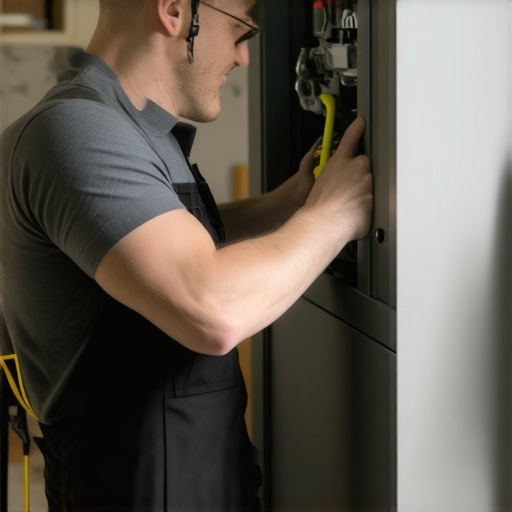
It was a freezing night when I realized my furnace had given out. The house was icy, and I felt that familiar sinking feeling—trusting my heating system only to have it fail when I needed it most. That moment made me question: How many of us rely on these systems without truly understanding their quirks and common pitfalls? If you’ve faced a sudden cold snap or a noisy, inefficient furnace, you’re not alone. Today, I want to share how I learned to rebuild trust in my heating system and ensure warmth when it counts.
Why Trust in Heating Services Matters More Than Ever
In the world of home comfort, there’s nothing more frustrating than unexpected breakdowns. Not only do they disrupt our daily routines, but they also shake our confidence in the systems meant to protect us from the elements. Over the years, I discovered that a lot of the anxiety comes from not knowing whether repairs are done right or if your contractor’s recommendations are genuine. This uncertainty can leave homeowners feeling vulnerable, especially when cold weather hits abruptly.
The truth is, many repair companies promise quick fixes but often overlook the root causes of heating issues, resulting in costly repeat visits. I firsthand experienced this early in my career when I trusted a technician who simply patched the surface problem without addressing the underlying system inefficiencies. That mistake taught me a valuable lesson: understanding what goes into reliable heating repair and trusting expert advice is crucial.
According to industry research, nearly 80% of furnace failures could be prevented with proper maintenance and timely repairs (source: https://heatprosservices.com/hvac-repair-maintenance-tips-to-restore-trust-quickly). This highlights the importance of building a relationship with trustworthy professionals who prioritize your long-term comfort.
Have you ever faced a repair that seemed fixed only to encounter the same issue months later? If so, you know the importance of not just patching problems but truly restoring confidence in your heating system. That’s what I aim to help you achieve.
In the sections ahead, we’ll dive into actionable steps and expert insights to help you demand better service, make smarter repairs, and finally, enjoy consistent warmth without worries. Ready to take control? Let’s get started.
Assess the Problem Quickly and Accurately
Start by observing the symptoms—listen for unusual noises, notice irregular heating performance, or check for error codes if your system has a diagnostic display. During my experience, I once ignored the rattling sound, thinking it was minor, only to face a total system breakdown days later. Always address these signals early by consulting detailed guides like heating service hacks or contacting experts for diagnostics.
Perform a System Inspection with Precision
Carefully inspect the main components—pilot light, filters, thermocouple, and blower motor. Use a flashlight and a multimeter for electrical checks. In my case, I discovered a corroded relay that caused intermittent failures; replacing it restored reliable operation. Be systematic, following checklists from trusted sources, and don’t overlook simple fixes like cleaning filters, which can boost efficiency.
Replace or Repair Faulty Parts Methodically
Once identified, replace damaged components following manufacturer instructions. For example, swapping out a worn-out thermocouple requires careful handling—avoid forcing connections. I learned this firsthand when using generic parts that didn’t fit well, resulting in leaks. Always prioritize quality parts from reputable suppliers, and cross-reference with guides on choosing HVAC fixes.
Optimize System Settings for Performance
After repairs, recalibrate thermostats and check airflow settings. Adjusting the thermostat to match the actual room temperature prevents unnecessary cycling, saving energy. During a repair, I accidentally set my thermostat too high, leading to short cycling, but a quick readjustment improved comfort and reduced wear. Use an infrared thermometer to verify temperature consistency, ensuring every room warms evenly.
Test Run and Verify Repairs
Turn on the system and monitor its operation for at least an hour. Listen for new noises, check airflow, and observe heat output. I once missed a small leak from a newfound sealant, which caused a slight drop in pressure; back in the service manual, I learned the importance of a thorough test run. Keep a log of issues encountered and resolved to track system improvements over time.
Involve Professionals When Necessary
Recognize when a repair exceeds your skill—complex electrical issues or gas-related problems require licensed technicians. In my case, I initially tried DIY fixes but felt unsure when handling gas connections. Contact a reputable service like experts for safe, compliant repairs. Building a relationship with trusted professionals not only restores confidence but also prolongs system lifespan, especially when following advice from industry strategies.
Many homeowners believe that hiring an HVAC technician is as simple as picking the first available service. But in my experience, this oversimplifies a complex process, often leading to costly mistakes. One common myth is that all repair providers deliver the same quality, which isn’t true—expertise and attention to detail vary significantly. For instance, some technicians focus solely on quick fixes, neglecting underlying issues that, if left unresolved, can cause repeated failures and increased expenses. This misconception can trap homeowners into cyclic repairs instead of genuine system optimization, emphasizing the importance of choosing professionals who prioritize thorough diagnostics and long-term solutions. A critical nuance many overlook is the impact of improper refrigerant levels during AC repairs. Incorrect refrigerant charge doesn’t just reduce cooling efficiency; it can also cause compressor damage over time. Industry studies, such as the one from the Department of Energy, highlight that improper refrigerant management contributes to nearly 30% of AC failures, underscoring the need for precise, expert handling during installation and repairs. Besides technical pitfalls, there’s a prevalent misconception that DIY fixes can substitute for professional service. While basic maintenance like changing filters is doable, complex electrical or gas-related issues should be left to licensed specialists, as improper handling can cause safety hazards or void warranties. Be wary of shortcuts—cutting corners during repairs can lead to more significant problems down the line. A common mistake is neglecting to verify system calibration after repairs, which results in inefficiency and increased utility bills. For example, an improperly calibrated thermostat can cause the system to cycle excessively, wearing out components prematurely. This oversight emphasizes the need for expert recalibration to ensure optimal performance. Are you aware of the advanced nuances that prevent recurring issues? For instance, addressing airflow obstructions or duct sealing can dramatically improve system efficiency and longevity—areas many homeowners overlook. Smart investments in professional diagnostics and maintenance are backed by research from HVAC Industry Insights, which shows that systems receiving regular, expert care can last up to 50% longer than neglected counterparts. So, next time you face a repair, question whether the technician is addressing root causes or just symptoms. Remember, building a relationship with reputable professionals, like those at Heat Pros, can save you from future headaches and ensure your home stays comfortably warm or cool year-round. Have you ever fallen into this trap? Let me know in the comments.
Maintaining reliable heating and cooling systems over the long term requires more than just calling a technician when troubles arise. It involves a strategic approach using specific tools and proven methods tailored to your home’s unique needs. Personally, I’ve found that investing in the right equipment and adopting systematic inspection routines significantly extends the lifespan of my HVAC systems and ensures optimal performance.
Handy Tools I Swear By
One of my top tools for routine checks is a digital multimeter. It allows me to verify electrical components, like relays and thermostats, with precision—saving me unnecessary service calls. I also rely heavily on a combustion analyzer when inspecting furnaces; this device monitors combustion efficiency, ensuring the system operates safely and effectively. During an overhaul, I emphasize using a manometer to measure refrigerant pressure accurately, which is vital for AC performance. These tools are essential because they provide real-time data, helping me identify issues before they become costly repairs.
Effective Maintenance Practices
Beyond hardware, software plays a key role. I utilize diagnostic apps that sync with smart thermostats, enabling remote monitoring of system performance and alerts for anomalies. Regularly updating firmware ensures that systems benefit from the latest efficiency enhancements and security patches. For example, some smart thermostats now include predictive maintenance features, alerting you to potential failures days before they happen, aligning with insights from heating service hacks.
How do I keep my system functioning effectively over time?
Consistent inspection and cleaning are paramount. I schedule bi-annual system audits where I check filters, ductwork, and electrical connections, documenting any signs of wear. Using specialized brushes and vacuum attachments for cleaning filters and coils prevents buildup that reduces efficiency. Additionally, I recommend leveraging leak detection machines for refrigerant lines—an often overlooked cause of AC issues. Regular calibration of thermostats ensures temperature accuracy, which directly affects energy consumption and comfort. Staying proactive with these practices consistently proves more cost-effective than reactive repairs.
Embracing Future Trends for HVAC Upkeep
The industry is moving toward smarter, self-diagnosing systems. Manufacturers are integrating AI-driven diagnostics that predict failures even before symptoms appear, greatly reducing downtime. Tools like remote sensors and machine learning algorithms will likely become standard in the near future, allowing homeowners to monitor their systems continually from their smartphones. I predict that adopting these technologies early will become essential for maintaining system longevity and efficiency.
Selecting the Right Methods for Your Home
Every home has different demands, so customizing your maintenance approach is critical. I advise investing in professional tune-ups at least once a year—more if your system is heavily used or older. During these visits, technicians perform comprehensive checks, replace worn parts, and calibrate settings. To enhance DIY inspections, I use infrared thermometers to verify consistent heat distribution and duct sealing gadgets to improve airflow. Remember, integrating advanced diagnostic techniques, such as refrigerant leak detection, can prevent recurring issues and enhance system reliability, as supported by top HVAC repair strategies.”
For an immediate upgrade, try incorporating a smart thermostat that learns your schedule and adjusts settings automatically. This simple step not only extends your system’s lifespan by reducing unnecessary cycling but also enhances energy efficiency. As technology progresses, staying informed about new tools and methods will give you a significant advantage in maintaining your home’s comfort system.
What I Wish I Knew About Repair My Furnace Early On
One of the most valuable lessons I learned is that trust in your heating system doesn’t develop overnight. It requires consistent maintenance, honest communication with service providers, and understanding the nuances of system behavior. For instance, ignoring subtle signs like odd noises or slight temperature inconsistencies can lead to bigger, costlier problems down the line. Recognizing these early signals was a game-changer for me, emphasizing the importance of proactive care instead of reactive fixes.
Uncover Hidden Gems in HVAC Resources
If you’re serious about mastering your home’s comfort, I recommend exploring tools like heating service hacks for cost-effective warmth and investing in reliable equipment such as digital multimeters or refrigerant leak detectors. These tools empower you to diagnose issues before calling in professionals, saving time and money. Additionally, trusted sources like industry-specific books and expert websites have deeply enriched my understanding, making me a better homeowner and advocate for quality repairs.
Your Next Step Toward Confident Home Comfort
Remember, building trust with your heating system is a journey—one that involves educating yourself, selecting skilled professionals, and staying proactive. Embrace the learning curve; it can transform frustrating breakdowns into opportunities for growth and control. Now is the time to take that first step—whether that’s scheduling an annual inspection or upgrading to smart controls. Your home deserves reliable warmth, and you deserve the confidence that your system will deliver it year-round.
Have you ever hesitated to perform a repair or upgrade because you felt unsure? Share your experience below and let’s grow together in this journey toward lasting home comfort!