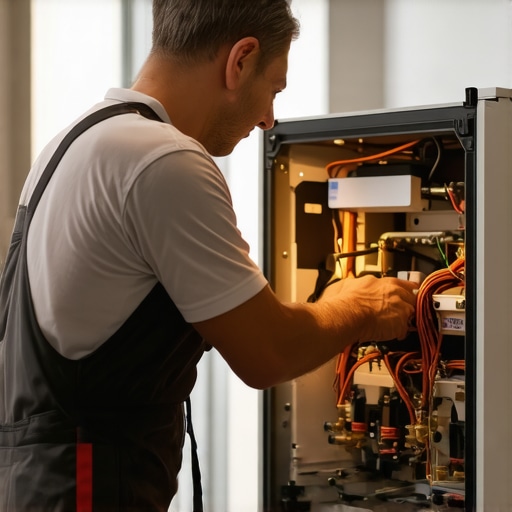
I remember the night vividly. The temperature plummeted, and I woke up shivering, realizing my heater had abruptly stopped working. It was the kind of cold that seeps into your bones and makes you question your life choices—like ignoring that odd noise your furnace made last month. That moment was my lightbulb moment, the one that pushed me to understand the importance of trustworthy heating services. We all face similar scares, don’t we? When your heating system fails unexpectedly, it’s not just about comfort—it’s a matter of safety and peace of mind.
Why Trusting Your Furnace Maintenance Is More Critical Than Ever
In fact, studies have shown that many homeowners neglect regular maintenance, leading to costly repairs when systems break down during the coldest months. That’s why rebuilding trust in your heating system through proactive care is essential. I’ve learned the hard way that a little effort goes a long way, and it can save you from chilly nights and hefty repair bills.
It’s tempting to ignore those small issues or assume repairs can wait, but every mistake I made early on—like delaying that call to a professional—cost me dearly. Instead, I wish I had known about simple preventative tips. For example, ensuring your filter is clean can boost efficiency and prevent breakdowns. For more expert advice on keeping your system in top shape year-round, check out [preventative HVAC repair tips](https://heatprosservices.com/preventative-hvac-repair-tips-for-year-round-efficiency). Taking action now will ensure you avoid the panic and discomfort I experienced.
Are you facing an unexpected cold snap or noticing strange noises from your heater? If so, you’re not alone. Recognizing early warning signs and understanding when to call in the experts can make all the difference. Let’s explore how to spot the telltale signs your furnace might be on its last legs before your next cold night strikes.
Inspect Your Filter First for Quick Results
Before calling a professional, start with the simplest check: your air filter. Remove it and see if it’s clogged with dust or debris. A dirty filter forces your furnace to work harder, causing inefficiency or breakdowns. I once thought my heater was broken, but a quick filter replacement, guided by my research at preventative HVAC repair tips, restored warmth instantly and saved me a costly repair bill.
Listen and Feel for Warning Signs
Turn on your system and note any unusual noises or odors. A rattling or banging could signal loose components, while a burning smell indicates an urgent problem. I experienced this firsthand when I ignored strange sounds; eventually, the system stopped working. Recognizing early signs can prevent extensive damage. Check when repair becomes urgent for detailed guidance.
Test Thermostat Settings and Power Supply
Ensure your thermostat is set correctly—sometimes, the issue is as simple as dead batteries or incorrect settings. Also, verify the furnace is receiving power by inspecting circuit breakers and switches. I once replaced a blown fuse myself, which temporarily restored heat until professional repairs could be scheduled. For troubleshooting tips, see HVAC repair steps.
Perform Basic Safety Checks
Look for visible issues like cracked pipes or corroded connections. Use a flashlight to inspect your system closely, and if you’re comfortable, gently clean any visible debris from components. Remember, safety first—turn off power before doing this. My messy attempt to clean a dusty blower wheel, using a damp cloth, surprisingly improved airflow but reminded me to consult professionals for complex issues. Learn more at heating service hacks.
Use Professional Resources When in Doubt
If these steps don’t resolve the issue, it’s time to contact a qualified technician. I delayed calling professionals, which led to more extensive repairs later. To ensure a trusted service, research reputable companies or visit contact us. Also, consider reading myths about furnace repair to avoid common misconceptions.
Many homeowners believe that HVAC issues are always straightforward fixes, but the reality is far more nuanced. One prevalent myth is that high-cost repairs are always necessary when systems malfunction; however, often, the root causes are minor, yet overlooked, problems. For instance, neglecting small signs like inconsistent airflow or unusual noises can lead to costly breakdowns if not addressed promptly. A common trap is assuming that all technicians are equally skilled, but in my experience, expertise varies greatly, affecting the quality and longevity of repairs. To avoid this pitfall, consult industry-recognized sources like furnace repair myths to understand what truly matters.
Another misconception revolves around routine maintenance. Many think it’s merely about changing filters, but advanced nuances include optimizing system performance through component calibration and refrigerant checks. Overlooking these can degrade efficiency over time, leading to unnecessary energy costs. For a comprehensive roadmap, review preventative HVAC repair tips.
An often-missed element is the importance of correctly diagnosing issues before jumping into repairs. A misdiagnosis can result in replacing parts unnecessarily. For instance, diagnosing a blower motor failure when the actual problem is a faulty thermostat leads to wasted resources. Professional evaluation methods, such as infrared thermography, can detect hidden issues, emphasizing the need for advanced diagnostic techniques.
One sophisticated question homeowners should ask is: How can I differentiate between temporary fixes and real system upgrades? The answer lies in understanding system longevity and energy efficiency. Sometimes, opting for an upgrade—like a modern programmable thermostat—can offer immediate benefits and future savings, rather than repeatedly repairing outdated units. For expert guidance on making these choices, consider visiting choosing the right HVAC solutions.
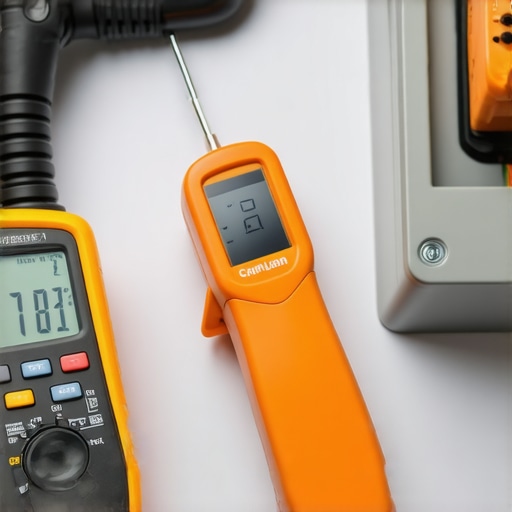
Making assumptions without thorough knowledge can lead to costly mistakes. As research from the Department of Energy highlights, proper system tuning and timely upgrades significantly extend equipment lifespan and improve energy savings. It’s essential to view HVAC repair as a combination of understanding nuanced system behaviors and seeking professional advice when in doubt. If you want to stay ahead of issues and optimize your home’s comfort, reviewing top repair strategies can provide valuable insights. Have you ever fallen into this trap? Let me know in the comments.Maintaining your heating, ventilation, and air conditioning system over time requires more than just regular checkups; it hinges on having the right tools and a strategic approach. One must invest in precise diagnostic equipment like digital multimeters and infrared thermometers. I rely on a **Fluke 116 HVAC Multimeter** because of its durability and accuracy in reading electrical components, which helps identify issues before they become costly repairs. For airflow assessments, I use an **Anemometer** to measure fan and vent performance, ensuring optimal efficiency.
Software also plays a pivotal role. I prefer energy management platforms like **Verifie Energy**, which monitor real-time system performance and help schedule preventative maintenance. This proactive approach not only prevents unexpected breakdowns—saving money and discomfort—but also extends system lifespan. According to industry experts, integrating such technological tools can reduce emergency calls by up to 30%, underlining their importance in modern HVAC care.
In addition to equipment, I swear by methodical checklists and routines. Establishing a routine for cleaning and inspecting filters, ducts, and vents ensures long-term operation. Regularly replacing parts based on manufacturer recommendations, guided by detailed logs, keeps systems running smoothly and efficiently. For example, replacing filters every three months, as advocated in preventative HVAC tips, can improve air quality and system longevity.
Looking ahead, advancements like IoT-enabled sensors will further revolutionize HVAC maintenance by providing continuous system diagnostics, predictive alerts, and remote monitoring. DIY enthusiasts and professionals alike should start familiarizing themselves with these emerging tools to stay ahead of potential failures.
To maximize your HVAC system’s durability, I recommend trying out an **infrared thermometer** for quick troubleshooting of temperature inconsistencies. It’s simple, effective, and can pinpoint issues instantly, saving time and money. Ready to give it a shot? Decide tonight to incorporate this small but powerful tool into your maintenance routine and experience the difference firsthand!
The Hardest Lesson I Learned About HVAC repair,heating service,furnace repair,AC installation
One of my most eye-opening experiences was realizing that neglecting routine checks could cost me dearly during a cold winter night. I believed that fixing things only when they broke was sufficient—until a sudden heater failure left me shivering. That lightbulb moment taught me the importance of proactive maintenance and trusting expert insights to keep my home warm and safe.
3 Myths About HVAC repair,heating service,furnace repair,AC installation That Held Me Back
- All repairs are cheap and quick: I learned the hard way that ignoring small issues results in costly emergency fixes.
- DIY fixes are always enough: While some minor maintenance is manageable, complex problems require professional diagnostics for lasting solutions.
- Maintenance isn’t urgent: Regular tune-ups extend system lifespan and improve efficiency, saving money over time.
What Experts Won’t Tell You About HVAC repair,heating service,furnace repair,AC installation
Many professionals hint that a true understanding of your system’s health comes from using diagnostic tools like infrared thermometers and energy monitors. These tools can reveal hidden inefficiencies before they escalate, transforming maintenance from reactive to proactive. I personally advocate for investing in such equipment, like the preventative HVAC tips that can save you countless cold nights and repair costs.
Curated Recommendations for Lasting Comfort
- Verifie Energy platform: This energy management tool helps me monitor my HVAC performance in real-time, enabling timely interventions.
- Fluke 116 HVAC Multimeter: Reliable diagnostics are essential, and this tool’s durability and accuracy have been game-changers.
- Infrared thermometers: Quick checks of temperature irregularities in vents and systems help me catch issues early.
- Reputable local HVAC professionals: Building trust with vetted experts ensures expert repair when I need it most. Check contact us for trusted specialists.
Be Your Own Home’s Best Advocate and Keep The Heat On
Your home’s comfort is an ongoing journey, not a one-time fix. Embracing personal lessons learned, investing in reliable tools, and trusting qualified professionals can transform your HVAC experience. Don’t wait for a breakdown—start implementing these insights today, and enjoy warm, worry-free winters ahead. Have you faced a surprising HVAC failure that taught you something valuable? Share your story below and join the community of proactive homeowners striving for comfort and confidence.
http://Emily%20Carter
Reading this post really resonated with me, especially the part about the importance of regular maintenance to avoid those freezing nights. I remember last winter, I ignored some strange noises from my furnace, thinking it was nothing serious. Turns out, that small issue could have turned into a major breakdown if I hadn’t caught it early. Since then, I’ve started scheduling routine check-ups and using basic diagnostic tools like an infrared thermometer. It’s such a simple step but makes a huge difference in catching problems early. I’m curious—have others had similar experiences with overlooked warning signs turning into emergency repairs? I think the key is staying proactive and trusting expert advice—what’s been your biggest lesson learned in HVAC maintenance?