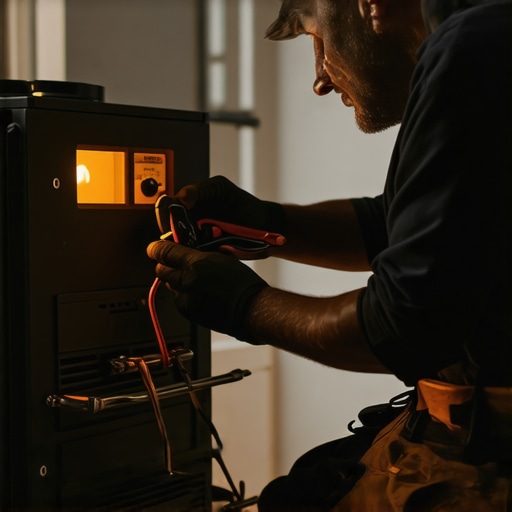
I remember the freezing night when I first realized my furnace had given up on me just as the coldest storm of the season hit. In that moment, I felt helpless, shivering under layers of blankets, questioning whether I could trust my heating system anymore. That experience was a wake-up call—if I wanted warmth and peace of mind, I needed to understand what went wrong and how to fix it myself.
The Urgency of Reliable Heating: Why Trust Matters More Than Ever
Confronting a heating failure isn’t just about comfort; it’s about safety, energy efficiency, and peace of mind. When your furnace falters, it can lead to ice-cold nights, skyrocketing energy bills, and even safety hazards like carbon monoxide leaks. According to industry experts, a well-maintained heating system can cut home energy costs by up to 30%. Yet, many homeowners hesitate to seek professional help, fearing inflated prices or unnecessary replacements.
Have you ever experienced that moment of dread when your heater refuses to turn on before a cold snap? You’re not alone. My early mistake was ignoring the warning signs—clunky noises, uneven heating, or rising energy bills—that could have indicated pending trouble. Instead of waiting, I learned that quick, informed action preserves your trust in your system and saves money in the long run.
To help you avoid those chilly nights and rebuild your confidence in your heating setup, I’ll share my top tips—straight from experience and industry insights. But first, let’s address the biggest skeptic concern:
Is Investing in Heating Repairs Truly Worth It?
Many homeowners wonder whether repairs or even replacement are justified, especially if the system is old. My advice? Consider the cost-effectiveness of timely repairs over waiting for complete breakdowns. Modern solutions and smart maintenance strategies have transformed how we approach furnace care. For more detailed guidance, check out [this resource on expert furnace repair solutions](https://heatprosservices.com/furnace-repair-myths-debunked-by-industry-experts).
Understanding where to start can be overwhelming, but I’ve been there. The good news is that with the right knowledge, you can restore warmth and confidence in your home’s heating system. Let’s dive into actionable tips to prevent another night of shivering and to rebuild your trust in your heating service.
Identify the Root of the Problem Quickly
To tackle furnace issues, start by inspecting your system for obvious signs like strange noises, strange smells, or inconsistent heating. Remember, a faulty pilot light or a tripped breaker can often be the culprit. Once I noticed my heater blowing cold air, I checked the circuit breaker first—an easy fix that saved me hours of unnecessary troubleshooting. Use a flashlight to examine the pilot light and heat exchangers, making note of any visible damage or dirt that might block airflow. For more complex issues, consider consulting the [expert guidance on furnace repair myths](https://heatprosservices.com/furnace-repair-myths-debunked-by-industry-experts) to avoid common mistakes that waste time or cause further damage.
Clean or Replace Air Filters and Components
Clogged filters restrict airflow, causing your furnace to work harder and potentially overheat or shut down prematurely. During my first repair attempt, changing the dirty filter immediately improved the system’s responsiveness. Use a vacuum or compressed air to gently clean vents and blow out debris from the blower wheel. If filters are excessively worn or dirtied, replace them with new ones — a task made simple by matching size and type from your system’s manual. Proper maintenance like this can be your first line of defense against unexpected failure. For detailed instructions, visit [HVAC repair strategies for lasting home comfort](https://heatprosservices.com/top-hvac-repair-strategies-to-extend-your-systems-life).
Test Thermostat and Electrical Connections
Often, the problem lies in miscommunication between the thermostat and furnace. Ensuring the thermostat is set correctly—preferably to ‘heat’ mode with an appropriate temperature—saves frustration. I once had to rewire loose terminals; a quick tightening restored command signals, making the furnace run smoothly again. Use a multimeter to test voltage at the thermostat and furnace control board. If you notice inconsistent readings or corrosion, clean or replace faulty wires and components. This step is crucial for reliable operation, especially before considering more invasive repairs. For specific testing procedures, consult [expert furnace repair tips](https://heatprosservices.com/heating-service-hacks-for-comfort-and-savings-in-2025).
Check and Clear Airflow Obstructions
Blocked vents, chimneys, or ducts can hinder air circulation, leading to overheating or shutoff. During a repair session, I cleared out accumulated debris from registers and inspected external vents for blockages caused by snow or leaves. Use a shop vac or brush to remove obstructions from grills and vents, and ensure air pathways are unobstructed indoors and outdoors. A clogged chimney or vent pipe can cause dangerous buildup of gases, so consider hiring a professional if you suspect such issues. Proper airflow management is vital for comfort and safety. Learn more about ensuring your system’s airflow in [HVAC installation secrets that pros won’t tell you](https://heatprosservices.com/ac-installation-secrets-that-hvac-pros-wont-tell-you).
Assess Fuel and Power Supply
Supply issues are common culprits. Make sure your furnace is receiving power—check the circuit breaker,Replace any blown fuses, and test outlet voltage. If your system runs on gas, verify that the gas valve is open and that there are no leaks or obstructions. In my experience, a simple reset or relight of the pilot can solve the issue, but always follow safety protocols or consult a professional. Regular inspections of fuel lines and connections prevent emergencies. For comprehensive guidance, visit [trusted solutions for HVAC repair and maintenance](https://heatprosservices.com/reliable-hvac-repair- ac-installation-restoring-confidence-in-2024).
Bookmark These Maintenance Milestones
To prevent future breakdowns, set regular maintenance schedules—think of it like servicing your car. Replace filters every 1-3 months, schedule annual professional checkups, and keep an eye on system parts for signs of wear. During one of my early DIY efforts, I kept a maintenance log, which helped me spot recurring issues and plan repairs proactively. Incorporate these checks to extend your furnace’s lifespan and enhance efficiency. For tailored advice, explore [preventative HVAC repair tips](https://heatprosservices.com/preventative-hvac-repair-tips-for-year-round-efficiency).Many homeowners operate under the misconception that HVAC repairs, especially furnace and AC servicing, are straightforward fixes. While it might seem tempting to fix minor issues yourself or rely solely on basic advice, there’s a hidden nuance often overlooked: the importance of understanding the system’s complex dynamics and avoiding common pitfalls that can lead to bigger problems. For instance, a frequent myth is that all refrigerants or thermostats are interchangeable, but in reality, using incorrect components can compromise system efficiency and safety. In my experience, one of the most overlooked details is neglecting to calibrate and test controls after repairs, which can cause uneven heating or cooling, leading to increased energy bills and system wear. Advanced mistakes, such as ignoring season-specific maintenance or dismissing early warning signs, can accelerate wear and reduce the lifespan of your equipment. According to HVAC industry experts, addressing these nuances—like precise diagnostics and tailored solutions—ensures long-term reliability, as outlined in [this comprehensive guide on HVAC repair strategies](https://heatprosservices.com/choosing-the-right-hvac-fixes-what-homeowners-need-to-know). An additional trap homeowners often fall into is underestimating the importance of professional evaluation before attempting repairs, which can result in damaging costly components. Remember, a trusted technician can identify underlying issues that aren’t immediately visible, saving you money and frustration. So, the next time you face an HVAC issue, ask yourself: Am I truly considering system complexities or just seeking quick fixes? Understanding these hidden aspects is key to avoiding costly missteps and ensuring your home stays comfortable year-round. Have you ever fallen into this trap? Let me know in the comments.
Keep It Working: Essential Equipment and Techniques for HVAC Maintenance
Staying ahead in maintaining your heating, ventilation, and air conditioning (HVAC) system requires the right tools and a strategic approach. Personally, I rely on a combination of professional-grade equipment and software to diagnose, repair, and optimize HVAC performance. Investing in these tools not only saves me time but also ensures the longevity of the system, ultimately leading to consistent comfort and reduced energy costs.
One of my top favorite tools is a digital multimeter. I use it daily to test electrical components, verify voltages, and troubleshoot control circuits. A reliable multimeter like the Fluke 115 provides precise readings and durability, essential for diagnosing issues without guesswork. Accurate electrical diagnostics can prevent misdiagnoses that waste time and cause further damage.
For airflow assessments, I utilize an Anemometer. I prefer a model with a digital display that allows quick measurement of air velocity in vents and registers. Proper airflow is crucial for system efficiency, and stagnation points often go unnoticed without this gear. Maintaining balanced airflow ensures even heating or cooling and prevents undue strain on components.
My toolkit also includes a vacuum pump and gauge set. Regularly, I vacuum out dust and debris from the system’s coils and ducts, which I perform every season. A high-quality pump like the Robinair 15110 allows me to clean refrigerant lines and ensure that contaminants don’t compromise system performance, which is especially vital for long-term reliability.
On the software side, I use diagnostic apps and cloud-based maintenance tracking. These tools help me record system conditions over time, schedule preventive checks, and analyze performance trends. They make it easier to predict failures before they happen, saving money and avoiding discomfort. As HVAC technology advances, integrating smart diagnostics will become even more essential, predicting issues before symptoms arise.
How do I maintain HVAC tools over time?
Regular calibration, cleaning, and proper storage are key. For electronic tools, I follow manufacturer instructions for calibration, typically annually, to ensure diagnostic accuracy. Mechanical tools like vacuum pumps and Anemometers should be stored in a dry, dust-free environment and tested periodically for precision. Staying meticulous with maintenance of your tools directly translates into more accurate diagnostics and faster repairs. This practice aligns with preventative strategies that prolong your system’s lifespan.
Predicting future trends, I believe that smart, IoT-enabled diagnostic devices will become standard for HVAC maintenance, offering real-time data and automated alerts. Leveraging AI-based systems for predictive analysis will revolutionize how we approach maintenance, reducing downtime and extending equipment lifespan even further.
To get started, I recommend trying out a high-quality multimeter and integrating diagnostic software into your routine. These small investments can significantly improve your ability to keep your HVAC system running smoothly, ensuring your home remains comfortable year-round.
Lessons Learned No One Tells You About HVAC Repairs
One of the toughest truths I uncovered was that rushing into repairs without a clear diagnosis can lead to more expense and frustration. Early in my journey, I believed every ticking noise or warm spot indicated a quick fix, but I learned the hard way that some issues mimic others—misdiagnosis can be costly. The most valuable lesson? Take the time to understand your system’s patterns and subtle signs; it saves money and peace of mind. Additionally, I realized that trusting seasoned professionals for complex problems often results in better long-term reliability, instead of trying to patch issues with quick DIY fixes that sometimes cause future damage. Lastly, I discovered that regular proactive maintenance, rather than reactive repairs, is the cornerstone of consistent comfort and system longevity—don’t wait for your furnace to break down before taking action. These insights transformed my approach, turning what seemed like endless frustrations into manageable, cost-effective solutions.
Tools and Guides That Have Boosted My Confidence
My essential toolkit includes a high-quality multimeter for electrical diagnostics, which helps me avoid guesswork. I also swear by an Anemometer to ensure balanced airflow—a small investment that prevents uneven heating or cooling. For deeper insights, I turn to books like The Homeowner’s Guide to HVAC Maintenance, which I found invaluable for understanding system basics and troubleshooting tips. Online resources such as industry expert articles offer current best practices and debunk common myths, giving me confidence that my repairs follow proven methods. Lastly, I rely on preventative maintenance checklists to keep my system in top shape, ensuring peace of mind year-round. Investing in these tools and knowledge sources has significantly empowered me to maintain my home’s comfort effectively.
Your Next Step Toward Reliable Home Comfort
Remember, mastering HVAC care isn’t about perfect knowledge overnight but about taking intentional steps forward. Whether you’re delving into DIY diagnostics or knowing when to call in a professional, each effort builds confidence and savings. Your home’s comfort is worth it, and with the right mindset, tools, and resources—like those shared here—you can stay warm, cool, and worry-free. So, go ahead—inspect those filters, test your thermostat, and schedule regular checkups. Your future self will thank you for choosing comfort and confidence today. Want to share your experience or ask questions? I’d love to hear your story below!