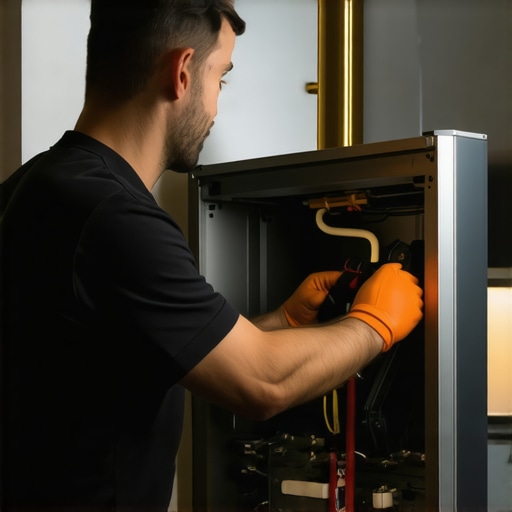
It was one of those cold winter nights when I finally realized my heater wasn’t doing its job anymore. Instead of the cozy warmth I was used to, I was faced with a freezing house and a creeping sense of frustration. That lightbulb moment hit hard—I couldn’t ignore the warning signs any longer. Have you ever been there, fumbling around with a broken heating system, unsure if you should call a professional or try to fix it yourself? You’re not alone. Many homeowners face this dilemma, often making costly mistakes that could have been avoided. Today, I want to share my story and show you how to regain control over your home’s comfort without the stress.
The Cold Truth About DIY Heating Repairs
Is Wishing It Away Worth the Risk?
When my furnace started acting up, my first instinct was to troubleshoot myself. I watched some online tutorials, checked the thermostat, fiddled with the filters. That was a mistake. I had overlooked a critical safety feature and ended up causing more damage. Early on, I learned that many DIY approaches ignore the complex electrical and gas components involved in heating systems. According to industry experts, attempting repairs without proper training can lead to safety hazards and costly damages. It’s essential to recognize when a problem is beyond your skill set and call in licensed professionals. For comprehensive guidance, I recommend reviewing the ultimate guide to AC installation and repair.
If you’ve faced similar frustrations, you’re probably wondering how to tell when it’s time to get professional help and avoid the pitfalls I fell into. Well, that’s exactly what I’ll be walking you through. We’ll cover how to diagnose common issues, when DIY stops being safe, and the smart steps to restore your home’s warmth quickly and reliably. Ready to restore confidence in your heating system? Let’s dive in.
Assess Basic Issues Before Diving In
Start by inspecting visible components like thermostats, filters, and power switches. For example, I once found a disconnected thermostat wire that caused my heater to shut down unexpectedly. Turn off the power supply before touching any electrical parts. Use a multimeter to check for power continuity, ensuring safety and accurate diagnosis. Remember, a faulty thermostat can mimic other issues, so test it directly for functionality.
Learn to Identify Critical Faults
Check the Pilot Light or Ignition System
If your furnace isn’t firing up, examine the pilot light or electronic ignition. In my case, I noticed the pilot had gone out; relighting it restored heat temporarily but indicated a deeper issue like a thermocouple malfunction. Clean or replace faulty thermocouples to prevent recurring problems. Consult your furnace’s user manual for precise procedures or look for instructional videos that demonstrate relighting techniques.
Inspect and Clean Safety-Related Components
Dirty filters and blocked vents reduce airflow, forcing the system to work harder or shut down. Regularly replace filters and clear obstructions. I replaced my filters with high-efficiency ones, which improved airflow and longevity of the system. Similar to cleaning a filter or duct, maintaining vents ensures efficient operation and prolongs your system’s lifespan.
Evaluate Electrical and Mechanical Parts
Use a voltmeter to test relays, circuit boards, and switches. In one instance, I discovered a blown fuse that prevented the blower from running. Replacing fuses should be done carefully, matching the specified amperage. Be cautious; if you’re uncomfortable with electrical work, a licensed technician can handle complex diagnostics safely.
Handle Mechanical Repairs Safely
If belts or motors are faulty, replace them following manufacturer instructions. I once replaced a worn-out blower drum belt—removing the old belt revealed cracks indicating imminent failure. Use appropriate tools and verify the new belt’s tension. Proper tension prevents slippage and ensures smooth operation.
Test and Fine-Tune Your Repairs
After repairs, restore power and monitor system behavior. Turn on the thermostat and observe the startup sequence. I kept a log of how long it took for the system to reach the set temperature, adjusting parameters as needed. Small adjustments can enhance efficiency, saving energy and extending equipment life.
Know When to Call the Professionals
Despite these steps, some issues—like gas leaks or electrical shorts—are dangerous to repair without proper training. If anything feels beyond your skill level, consult an expert. See this comprehensive ultimate guide to AC installation and repair for more insights. Remember, safety comes first, and a professional touch can prevent accidents and costly damage.
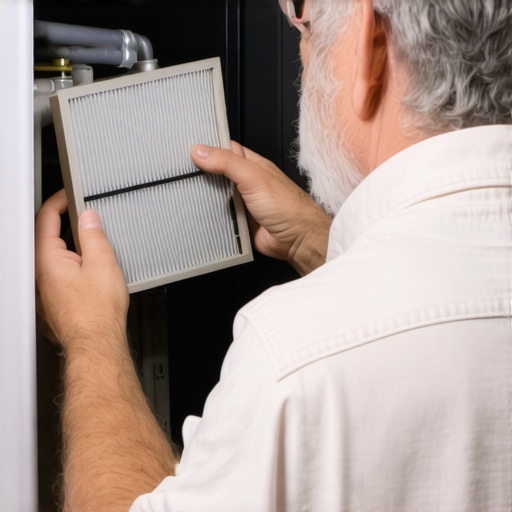
Many homeowners enter the world of HVAC repairs believing they’ve got the basics down, but several misconceptions can lead to costly mistakes and overlooked opportunities for better system longevity. One widespread myth is that all repairs are straightforward and can be tackled with generic solutions. In reality, HVAC systems are complex, with unique nuances depending on the model, age, and usage patterns. For example, assuming that a dirty filter is always the root cause of heating issues might seem logical, but ignoring underlying electrical or mechanical problems can cause further damage. For advanced homeowners, understanding these tiny yet critical differences can mean the difference between a successful repair and a costly disaster.
Another common misconception is that HVAC systems should be replaced at the first sign of trouble. In fact, many systems have hidden potential for repair that can extend their lifespan significantly. Neglecting regular preventative maintenance or believing that DIY fixes are sufficient often become traps. For instance, failing to recognize early signs of refrigerant leaks or misdiagnosing an HVAC control board issue can lead to system failure. Remember that Professional guidance, such as consulting the ultimate guide to AC installation and repair, can prevent these pitfalls and ensure your system runs efficiently for years.
What’s the danger behind oversimplifying HVAC diagnostics?
Many homeowners believe that low refrigerant levels are always the cause of poor cooling, but in reality, low levels often signal deeper issues like leaks or compressor problems. Focusing solely on refilling refrigerant without addressing these underlying faults can be a costly mistake. Expert guidance underscores that diagnosing HVAC issues requires a comprehensive approach, factoring in electrical components, airflow dynamics, and system age. This nuance is often overlooked by DIYers eager to fix the problem quickly, but it’s essential for long-term performance and safety. Consulting trusted sources like industry experts on HVAC fixes can help you avoid these common pitfalls. Have you ever fallen into this trap? Let me know in the comments.
Keeping your heating and cooling systems performing reliably over time requires more than just occasional repairs. It demands investing in the right tools and adopting proactive maintenance routines. Personally, I swear by a high-quality digital refrigerant manifold gauge set, like the Yellow Jacket 69088, because it allows precise readings during refrigerant recharge or leak detection. This tool saves me from guesswork and ensures system efficiency. Additionally, a digital multimeter with true RMS capability has become indispensable for diagnosing electrical issues accurately, especially when testing control boards and relays. These tools form the foundation of a technician’s kit, and for homeowners looking to take a more active role, owning and understanding how to use them can significantly reduce call-backs and improve system longevity.
Predicting Maintenance Trends for the Future
Looking ahead, I believe the integration of smart diagnostic tools and IoT-enabled devices will revolutionize HVAC maintenance. Systems will increasingly communicate their health status directly to homeowners or service providers, enabling preemptive repairs before failures occur. This trend is already emerging with smart thermostats like Nest and Ecobee offering diagnostic insights, but I foresee a future where full system analysis becomes standard, thanks to AI-driven predictive analytics. Embracing these innovations now positions homeowners and technicians for a smoother, more reliable HVAC experience.
How do I keep my HVAC system running smoothly over time?
Regularly scheduling preventive maintenance is key. This includes inspecting and replacing filters, cleaning coils, and verifying electrical connections—activities I perform every season using specialized tools like a multimeter and a coil brush. The use of a digital leak detector, such as the Inficon D-TEK, also helps identify refrigerant leaks early, preventing efficiency losses. Staying informed about new advancements, like smart sensors that monitor system performance, can further help you catch issues before they escalate. For an in-depth guide on maintaining your HVAC system effectively, I recommend reviewing preventative HVAC repair tips for year-round efficiency. Taking these proactive steps will ensure your system operates optimally, saves energy, and extends its lifespan.
Ready to take your HVAC maintenance to the next level? Try installing a smart thermostat, which not only controls temperature but also provides diagnostic reports and fault alerts, making maintenance smarter and more efficient. For expert tips on selecting and installing a smart thermostat, visit this comprehensive guide.
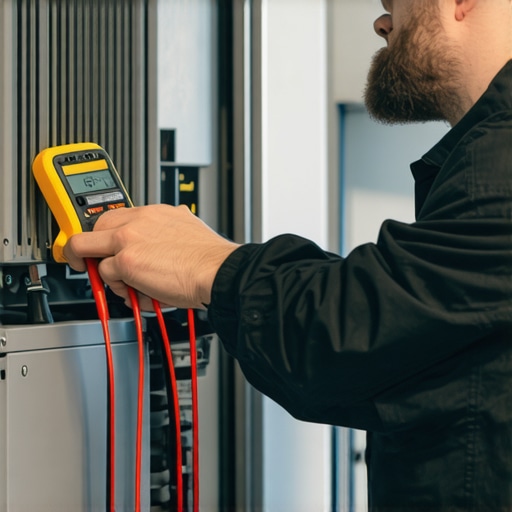
Investing in the right tools and adopting a routine maintenance strategy can vastly improve your HVAC system’s performance and lifespan. Stay ahead of problems by leveraging advanced diagnostics and preventive care — your home’s comfort depends on it.
,
The Hardest Lessons I Learned About HVAC repair,heating service,furnace repair,AC installation
One of my most eye-opening moments was realizing that no matter how much I researched online, there’s no substitute for actually understanding the unique nuances of each HVAC system. Trying to apply generic solutions without thorough diagnosis often led me down costly dead ends. Now, I know that investing time in learning the specific model and history of your system can prevent many common mistakes.
What Industry Secrets Are Kept From Homeowners?
Professionals often hold back some tips to ensure safety, but the truth is, transparency accelerates your understanding. For instance, knowing the critical safety features in your heating system can help you avoid dangerous mishaps. Asking the right questions and reviewing trusted guides like this comprehensive guide can empower you to make smarter decisions.
Why DIY Can Turn Into a Costly Affair
In my experience, attempting repairs without proper training is a quick way to escalate problems. I once tried fixing a refrigerant leak, only to end up with a System shutdown and higher energy bills. Recognizing when to call in the pros—and trusting their expertise—saves time, money, and potential safety issues. For guidance on when professional service is essential, refer to this article.
The Value of Building Your HVAC Knowledge Arsenal
Tools can be game-changers. I personally rely on a high-quality digital refrigerant gauge like the Yellow Jacket 69088, which allows me to diagnose issues accurately. Paired with a multimeter, these tools unlock insights that otherwise feel impossible. Read more about essential equipment in this resource—it transformed my approach entirely.