The Sound of Silence: When Your Furnace Becomes a Metal Box
It starts with a rhythmic clicking, followed by the hollow hum of a blower motor that never brings the heat. In my thirty years of crawling through crawlspaces and navigating the frozen tundras of rooftops, I’ve learned that a furnace isn’t just a machine; it’s a volatile chemistry experiment happening in your basement. When that ignition sequence fails at 3:00 AM on a Tuesday, it isn’t bad luck—it’s physics catching up with neglect. Most homeowners think they need a whole new unit, but usually, they’ve just ignored the subtle warnings of a system gasping for air or struggling with a fouled sensor. I remember my old mentor, a grizzled tin knocker who could smell a gas leak from a block away, used to scream at me, ‘You can’t burn what you can’t control!’ This is why airflow matters more than raw horsepower. If the pressure switch doesn’t see the right vacuum because your vents are clogged or your ductwork is amateur hour, the board is going to lock you out. That’s the brain of the furnace protecting you from blowing your house into the next county.
The Forensic Anatomy of a Failed Ignition
To understand why your heat died, you have to look at the sequence of operations. It’s a mechanical ballet. First, the thermostat sends the call. Then the draft inducer motor—the small fan that clears the heat exchanger—starts spinning. If that motor is dragging or the bearings are screeching like a banshee, you’re dead in the water. We see this constantly in urgent furnace repair scenarios. Once the inducer creates a vacuum, the pressure switch closes. This is the safety gatekeeper. If your flue is blocked by a bird’s nest or ice, the switch stays open, and the cycle dies. Then comes the ignitor. If you have a Hot Surface Ignitor (HSI), it’s basically a high-tech lightbulb filament. Every time it glows, it gets more brittle. Eventually, it cracks. I’ve seen ‘sales techs’ try to sell a $12,000 system when the fix was a $40 ignitor and ten minutes of labor. This is why furnace repair myths are so dangerous for your wallet.
“The most expensive equipment in the world cannot overcome a bad duct system.” – Industry Axiom
In cold climates like the North, the enemy isn’t just wear—it’s chemistry. High-efficiency furnaces (90%+ AFUE) produce acidic condensate. If that water doesn’t drain, it backs up into the secondary heat exchanger and kills the ignition. We call it ‘swamping the flame.’ If the burner does light but goes out after five seconds, you’re looking at a dirty flame sensor. This little rod of metal measures microamps. If it’s covered in carbon or silica from a nearby dryer vent, it can’t see the flame, and the board shuts the gas off for safety. A simple furnace tune-up service would have caught that before the first frost hit. Thermodynamic zooming tells us that the heat exchanger isn’t just a radiator; it’s a transfer point where we try to move sensible heat from burning gas into the air without letting the deadly CO leak out. A crack here is a death sentence for the unit—and potentially the occupants.
Thermodynamic Zooming: The Airflow Manifesto
Airflow is the lifeblood of the system. Most ‘ignition failures’ are actually airflow failures in disguise. If the return air is undersized—a common sin in cheap construction—the furnace overheats and trips the high-limit switch. When that switch opens, the ignition is cut. You might think it’s a furnace ignition repair issue, but the reality is you need duct design services to let the machine breathe. It’s like trying to run a marathon while breathing through a cocktail straw. We often suggest thermostat wiring upgrades to ensure the communication between the wall and the board is solid, especially with modern smart stats that draw more ‘juice’ than old mechanical sliders. [image_placeholder_1] If your system is short cycling, it’s literally killing itself. The constant expansion and contraction of the metal leads to fatigue. In warehouse heating solutions, we see this amplified because of the massive volume of air involved. If you aren’t doing system performance testing, you’re just guessing. We use manometers to measure static pressure—the resistance the fan has to fight against. If that pressure is too high, your blower motor replacement is just a matter of time.
“Design of the duct system shall be based on the heating and cooling load of the space to be conditioned.” – ACCA Manual J Standards
The Regulatory Cliff: Why 2025 Changes Everything
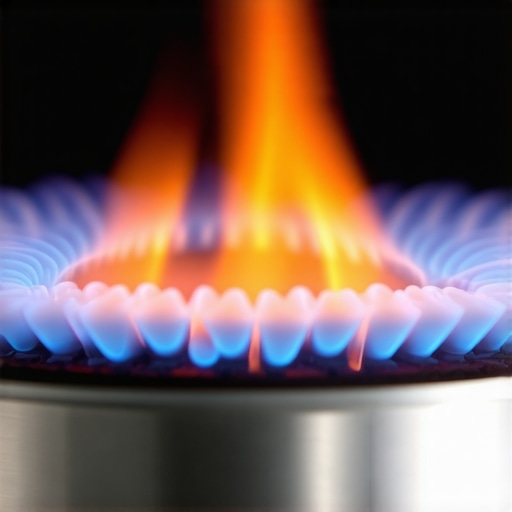
We are entering a new era of HVAC. The death of R-410A and the shift toward A2L refrigerants like R-454B means the technology is getting more complex and more expensive. While this mostly affects AC, the integrated boards in modern furnaces are becoming more sensitive to electrical ‘noise.’ If you’re still relying on a 20-year-old ‘sparky’ to fix your furnace, you’re asking for trouble. We’re seeing more homeowners opt for a ductless mini-split installation as a backup or primary source because they bypass the ductwork nightmare entirely. If you’re tired of the ‘Sales Tech’ shuffle, look into priority service memberships. These aren’t just ‘coupons’; they are insurance against the acidic burnout of a compressor or the cracked heat exchanger of a neglected furnace. Heating service hacks can only take you so far; eventually, you need a pro who knows the difference between a capacitor and a contactor. If you’re in a cold climate, remember: a furnace tune-up isn’t just about cleaning; it’s about verifying that your heat exchanger hasn’t turned into a carbon monoxide pipe. Don’t wait for the emergency heating repair call in the middle of a polar vortex. Check your flame color—it should be a crisp, steady blue. If it’s orange and flickering, your combustion is off, and soot is building up, which is the precursor to a total ignition lockout. Comfort is physics, not magic. If the math doesn’t add up on your static pressure and your gas manifold pressure, the furnace won’t stay lit. Period. Contact an expert before the mercury drops.