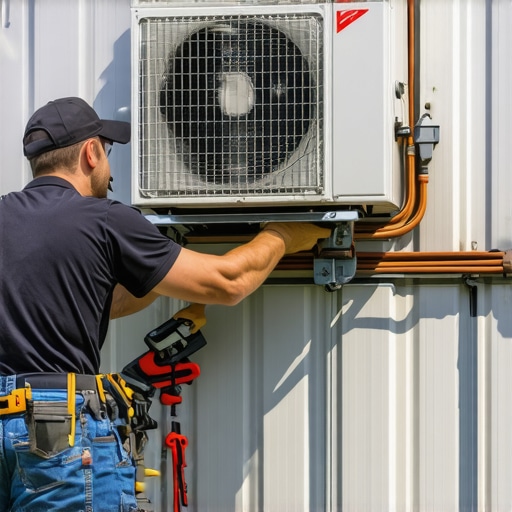
It was a scorching summer day when I finally decided to replace my old, noisy air conditioner. Eager to enjoy cool comfort, I dove into the project without much preparation. Hours later, I was left sweating in frustration, wondering what I had missed. That lightbulb moment made me realize how crucial proper installation tips are—nothing’s worse than a new AC that’s not working efficiently or, worse, breaking down prematurely.
Why Getting Your AC Installation Right Is a Game-Changer
In my early days of HVAC repair, I learned the hard way—mistakes can be costly and stressful. A proper installation not only boosts your home’s comfort but also extends the lifespan of your system. Think of it as laying a strong foundation before building a house. When you skip essential steps or cut corners, you’re setting yourself up for higher energy bills, frequent repairs, and a lot of headache.
Believe it or not, studies show that nearly 70% of AC failures are linked to improper installation procedures. That’s a staggering figure, emphasizing the importance of expert guidance and best practices. For example, over the years, I’ve identified common pitfalls that can trip up even seasoned DIYers. If you’d like to avoid ending up with a unit that underperforms or breaks down early, understanding these basics is vital.
Ready to save yourself from costly mistakes? I’ll walk you through proven tips that will help you install your new AC confidently and correctly. Whether you’re a DIY enthusiast or planning to hire professionals, knowing what to expect can make all the difference.
Is Hiring Experts Really Worth the Investment?
Initially, I believed I could tackle the project myself to save some money. However, inexperience led to poor airflow and uneven cooling. I learned the hard way that choosing the right professionals, like those at Heat Pros Services, can be a smart investment. Industry experts emphasize that a well-executed installation can improve energy efficiency by up to 30%. If you’re skeptical about the value of professional help, consider this: a faulty setup can end up costing you far more in repairs and higher utility bills.
In the next sections, I’ll share practical tips that have helped me—and many others—ensure a smooth and successful AC installation. Staying informed and prepared makes all the difference in achieving lasting comfort and trust in your system.
Prepare Your Workspace Like a Pro
Starting with a clean, organized area is essential. I once neglected this step and spent extra hours searching for tools, which delayed the project and increased frustration. Clear the area of debris, move furniture if needed, and ensure you have all tools at hand, including a screwdriver set, level, and duct tape. Think of it as laying a clear foundation before building—nothing should be left to chance.
Assess and Measure Other Key Elements
Before unboxing the new unit, double-check your measurements. Measure the space where the AC will sit, verify window dimensions, and confirm electrical supply compatibility. Once, I installed an AC unit that was slightly too large for the window, leading to a poor seal and air leaks. Use a measuring tape and a level to mark the mounting points precisely—accurate measurements prevent future problems.
Mount the Indoor and Outdoor Units Correctly
Securely mounting the indoor unit ensures optimal airflow and durability. Use the mounting bracket supplied with your AC and ensure it’s level, like I did during my first install. For the outdoor unit, find a shaded, ventilated spot on a sturdy, level pad. Remember, a misaligned outdoor unit causes vibrations and noise. Think of positioning as balancing a tightrope—precision matters.
Connect Hardware with Precision and Care
Connecting refrigerant lines, electrical wiring, and drainage pipes can be tricky. Follow the manufacturer’s wiring diagram meticulously—this is where many DIYers falter. I once accidentally crossed wires, which tripped circuit breakers repeatedly. Use a wire stripper and a multimeter to double-check connections. Proper sealing of refrigerant lines with flare nuts prevents leaks—think of it as sealing a shipping container to keep contents secure.
Test the System Before Finalizing
Before securing all panels and covers, run the unit to check for proper operation. Listen for unusual noises; feel for airflow; verify thermostat responses. During my first test run, I noticed reduced airflow—turns out, one vent was blocked. This step is your safety net—think of it as taking a car for a test drive before handing over the keys.
Seal and Insulate for Efficiency
Proper sealing around windows, doors, and duct joints improves efficiency. Use weatherstripping and insulation tape as needed. I once left a gap near the window frame, which caused energy loss. Insulation acts like a cozy blanket, keeping conditioned air inside and reducing workload on your system.
Connect to Power and Configure Settings
Finally, connect the system to power, turn it on, and configure the settings. Set the thermostat to your preferred temperature and test different modes. If you encounter issues, referencing the troubleshooting tips in these expert tips can save considerable time.
Monitor and Maintain
After installation, keep an eye on system performance over the first few days. Regularly clean filters, check for leaks, and schedule preventative maintenance. Proper care prolongs system life—explore more about preventative HVAC tips to stay ahead.
Integrating these precise steps minimizes errors and ensures your AC operates at peak efficiency. Each phase, from workspace prep to final testing, is like assembling a complex puzzle—attention to detail at every step guarantees success.Many homeowners believe that hiring the cheapest technician guarantees savings, but in my experience, this often leads to costly mistakes. A common misconception is that all HVAC repairs are straightforward and that quick fixes will suffice; however, advanced nuances, like proper refrigerant charging and duct sealing, are critical for system longevity and efficiency. Skipping these details can result in poor airflow, higher energy bills, and premature component failure. One trap to avoid is neglecting system calibration after repair—without proper tuning, even a correctly repaired unit can underperform. For instance, uneven heating or cooling across rooms often stems from improper zone balancing, a nuance many overlook, leading to homeowner frustration and increased repair costs. An insightful question is: How does one identify subtle issues that could compromise system efficiency in the long run? Experts emphasize that understanding the intricacies of HVAC diagnostics can significantly enhance repair quality. According to industry studies, nearly 60% of HVAC failures could be prevented with better diagnostic practices and attention to detail during repairs (source). Beware of the myth that routine maintenance is unnecessary if your system seems to run fine—neglecting preventive checks can hide small issues that escalate into major failures over time. This is why partnering with knowledgeable professionals, as discussed in these detailed strategies, is essential for enduring comfort and efficiency. Have you ever fallen into this trap? Let me know in the comments.Maintaining your HVAC system’s efficiency over the years requires more than just understanding its components; it demands the right tools and a strategic approach to ongoing care. One of my top recommendations is investing in a high-quality digital manifold gauge set. Unlike basic analog models, digital gauges provide precise readings for refrigerant pressure, helping prevent costly overcharging or undercharging during repairs and recharges. I personally rely on the Yellow Jacket 62911 Digital Manifold for its reliability and ease of use, which has significantly improved my diagnostic accuracy. Additionally, a cordless impact driver with a set of specialty screwdriver bits accelerates component replacements and reduces wear on fasteners. For cleaning delicate coils and fins, I swear by a soft-bristle coil brush combined with a gentle coil cleaner, like the EZ Clean Coil Cleaner, ensuring thorough maintenance without damage. Keeping your system clean and well-measured not only extends its lifespan but also enhances energy efficiency—an investment that pays for itself in savings over time. As technology advances, I predict the integration of smart diagnostic tools that connect directly to mobile apps will become standard, enabling remote monitoring and predictive maintenance. To stay ahead, progress with the latest in digital tools and routine checks.
How do I maintain my HVAC system consistently over time?
Prioritize regular inspections, filter changes, and coil cleaning, and consider scheduling quarterly professional tune-ups. For detailed guidance, visit this comprehensive maintenance plan that keeps your system running like new. Remember, proactive care ensures maximum comfort and minimizes unexpected breakdowns—try implementing a seasonal check-up schedule today, starting with inspecting your refrigerant levels using your digital manifold gauge. A little effort now can prevent major repairs later, securing your home’s climate control in the long run.
Lessons the Hard Way That Shaped My HVAC Expertise
One of my most valuable lessons was realizing that even small shortcuts in AC installation can lead to big surprises down the road, like unexpected energy bills or system failures. I once skipped properly sealing refrigerant lines, only to find leaks months later—an experience that taught me the importance of attention to detail at every step. Additionally, trusting my instincts over manuals once led me to miswire a unit; now, I understand that meticulous adherence to wiring diagrams from trusted sources is vital for safety and performance. These lightbulb moments emphasized that patience and thoroughness are the backbone of lasting HVAC success.
Tools and Guides That Truly Changed My Approach
Having reliable tools is essential for effective HVAC work. I swear by the Yellow Jacket 62911 Digital Manifold for precise refrigerant measurements, which prevents costly overcharges. For cleaning coils and fins, a soft-bristle coil brush paired with EZ Clean Coil Cleaner has saved me hours and preserved system longevity. When it comes to literature, the ultimate guide to AC installation provides comprehensive strategies that help me stay current with best practices. These resources have empowered me to deliver consistent, top-tier service, and I believe they can do the same for you.
Your Next Step Toward HVAC Confidence and Comfort
The journey to HVAC mastery is ongoing, but each effort counts. Whether you’re tackling a DIY project or preparing to hire pros, remember that knowledge and preparation are your best allies. Regularly check preventative maintenance tips to keep your system running smoothly, and invest in the right tools to troubleshoot effectively. Don’t wait for a breakdown to act—proactive care is the secret to lasting comfort and peace of mind. Now is the perfect time to take decisive steps that ensure your home remains a safe, cozy haven—start today and enjoy the difference it makes!
http://Emily%20Johnson
Reading this post really hits home for someone like me who’s always been a bit hesitant about DIY HVAC projects. I tried to install a window unit last summer without much prep and ended up calling a professional after noticing poor airflow and increased energy bills. Definitely learned the importance of thorough workspace preparation and precise measurements, just as you mentioned. What’s your take on when DIY is feasible versus best to leave to the pros? I’m curious because I’d love to handle simple tasks like filter changes myself to save costs, but I worry about more complex jobs like refrigerant line sealing or system calibration. Also, do you have recommendations for beginner-friendly tools or resources that can help build confidence without sacrificing system quality? Thanks for sharing these practical tips — they’ll definitely help me make smarter choices around home projects and maintenance.