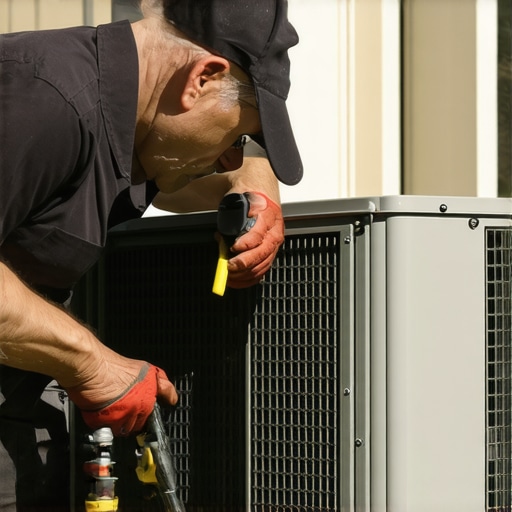
I remember the moment vividly—my furnace suddenly stopped working in the dead of winter, and I was left in a cold house wondering what I did wrong. After hours of fiddling with the thermostat and a few failed attempts to fix it myself, I realized I needed professional help. That lightbulb moment made me realize how critical trustworthy HVAC repair services are for lasting comfort, especially when it matters most.
Pain Points We All Know Too Well
If you’ve ever faced a malfunctioning air conditioner during a scorching summer or a heater that refuses to turn on when the temperature drops, you understand the frustration. These issues disrupt daily life and can even affect your health and safety. But beyond just fixing the problem, what really matters is finding reliable solutions that last. The key is to work with experts who prioritize trustworthiness and quality, ensuring your system keeps functioning optimally for years to come.
Is HVAC Repair Trustworthy or Just a Sale?
In my early days as a homeowner, I made a costly mistake—trusting a technician who promised quick fixes without inspecting the root cause. I didn’t realize that rushing into repairs often leads to recurring problems and higher costs. According to industry experts, a diagnosis mistake can drastically shorten your system’s lifespan and compromise your home’s comfort. That’s why understanding the importance of choosing reputable HVAC professionals is crucial. If you’re wondering how to identify honest, skilled technicians, stay tuned—I’ll share practical tips that will help you avoid common pitfalls and ensure lasting solutions.
Have you ever faced a repair that seemed to fail just after the technician left? You’re not alone. Many homeowners learn the hard way that trusting the wrong service can turn into an ongoing battle with comfort. Luckily, there are proven ways to work with HVAC repair experts who rebuild trust and restore confidence in your home’s climate control system. Let’s explore how to ensure your repairs are truly long-lasting and dependable.
Ready to discover the secret to reliable HVAC solutions? Dive into the practical strategies that can transform your home comfort experience, starting with choosing the right repair professionals and understanding what makes their service trustworthy.
Identify the Root Cause Before Acting
My first real mistake in HVAC repairs was jumping straight into fixing what I thought was the problem. For instance, when my AC wasn’t cooling effectively, I assumed the refrigerant was low. Instead of adding refrigerant prematurely, I opened the unit and checked for ice buildup or airflow issues, which often stem from dirty filters or blocked vents. Conduct a comprehensive diagnosis—inspect filters, vents, and electrical components—to avoid costly rework. Remember, like troubleshooting a complex machine, understanding what’s actually wrong saves time and money. For detailed diagnostics, consider reviewing this guide.
Choose the Right Tools for the Job
Using proper tools makes a significant difference. When repairing my furnace, I realized that mismatched screwdrivers or using pliers for delicate components caused more damage. Always have a quality set of HVAC-specific gauges, multimeters, and cleaning brushes. Think of it as a surgeon needing precise instruments—your tools determine the quality of the repair. For example, a digital manifold gauge ensures accurate pressure readings, preventing unnecessary part replacements. Invest in tools that match the scope of work; cutting corners here jeopardizes the repair’s reliability. To learn more about essential repair kit essentials, visit this resource.
Follow Safe and Systematic Procedures
When I replaced my heater’s thermostat, I followed a step-by-step removal and installation process: power off the unit, discharge capacitors, and double-check wiring diagrams. This systematic approach avoids electrical shocks and damage. Never rush through these steps; safety is paramount. Use lockout/tagout procedures to ensure the system can’t accidentally power on. For intricate tasks like replacing a compressor, adherence to safety protocols and manufacturer guidelines is vital. Think of it as assembling furniture—you follow the instructions carefully to prevent wobbling or reassembly issues. To deepen your understanding of repair protocols, explore this detailed guide.
Test the System Thoroughly Before Finishing
After completing a repair, I always conduct functional tests—checking airflow, temperature, and system startup procedures. Once, I fixed an airflow issue but forgot to re-calibrate the fan speed; the system was noisy and inefficient. Testing ensures all components work harmoniously. Turn on the system multiple times, observe for abnormal noises or vibrations, and verify performance against specifications. This is similar to test-driving a car after repairs—any issues become apparent only during operation. For proven testing strategies, see this resource.
Document Your Work for Future Maintenance
Taking notes during repairs—such as what parts were replaced, the settings adjusted, or the issues found—helps in future troubleshooting. When I replaced my hot surface ignitor, I documented the model number, installation steps, and test results. This habit simplifies subsequent repairs and provides a maintenance history that technicians can reference. Think of this as keeping a repair journal—valuable for ongoing system performance. Store digital or physical copies safely, and update them with every service. To improve your documentation practices, visit this guide.Many homeowners assume that HVAC repairs are straightforward fixes, but this simplification often leads to costly mistakes. A common misconception is that replacing a single component, like a thermostat or a filter, will solve the problem permanently. In reality, HVAC systems are complex, interconnected machines that require a comprehensive diagnostic approach. Overlooking latent issues—such as duct leaks, electrical inefficiencies, or aging components—can result in repeated failures and increased expenses. Experts emphasize the importance of thorough diagnostics prior to repair, which can save time and money in the long run. For instance, a study by industry professionals highlights how improper diagnosis contributes to recurring breakdowns, urging homeowners to consult trained specialists for in-depth assessments.
What advanced diagnostic techniques can reveal hidden system failures before they escalate?
Utilizing infrared thermography, pressure analysis, and system monitoring tools allows technicians to detect inefficiencies not visible to the naked eye. These methods identify issues like insulation breaches or subtle refrigerant leaks that can cause performance drops over time. Relying solely on surface-level inspections is a common trap that homeowners fall into, often leading to short-lived fixes. Investing in comprehensive diagnostics aligns with advice from industry leaders, and sharing this knowledge helps to elevate your understanding of true HVAC system health. Want to learn more? Check out this guide on advanced repair strategies.\n\nAnother nuance many overlook involves the importance of system compatibility. Upgrading one component without considering the entire system’s design can cause uneven wear or compatibility issues. For example, installing a high-SEER air conditioner with an outdated duct system can negate energy savings. Modern innovations, like variable-speed blowers or modulating furnaces, are designed to work synergistically; mismatched parts can reduce efficiency and lifespan. The key is to evaluate the entire system context and plan upgrades accordingly, which experts recommend for sustainable performance and savings—more insights are available in this article on emerging heating solutions.\n\nAvoiding these pitfalls requires a shift from quick fixes to strategic planning. The goal should be to address both diagnosed issues and the systemic factors contributing to frequent failures. Homeowners who partner with reputable professionals—who perform thorough diagnostics and consider system integration—are far less likely to encounter recurring problems. Remember, HVAC systems are investments in your comfort and safety; they deserve detailed care and intelligent upgrades. Have you ever fallen into this trap? Let me know in the comments. For those eager to master these nuances, exploring this comprehensive guide can provide actionable insights.
How do I maintain HVAC systems over time?
Maintaining your HVAC system is crucial for long-term reliability and efficiency. One of the most effective strategies is routine calibration using digital manifold gauges. I personally rely on a high-quality digital manifold like the Testo 557s because it provides precise pressure readings, helping me detect refrigerant issues early before they escalate into costly repairs. Regularly checking electrical connections with a digital multimeter ensures all circuits remain safe and functional, preventing unexpected failures. Implementing a schedule for filter replacements, coil cleanings, and system inspections—at least twice a year—keeps everything running smoothly. Investment in a smart thermostat not only enhances control but also allows remote diagnostics, catching potential issues before they affect comfort. The future of HVAC maintenance will lean heavily on IoT-enabled devices, providing continuous system monitoring and predictive alerts, which will minimize downtime and extend system lifespan. To get started, try adopting a comprehensive diagnostic tool like the Fluke 116 HVAC Multimeter for accurate troubleshooting, and consider setting up a preventative maintenance plan to catch minor issues early. For more insights on maintaining optimal HVAC performance, explore this guide.
Lessons That Changed My Approach to HVAC Fixes
- Patience Over Speed: Rushing to fix a problem often leads to recurring issues. Taking the time for a thorough diagnosis has saved me money and headaches in the long run.
- Tools Make/Tear the Difference: Investing in quality, system-specific tools ensures repairs are precise and reliable, preventing further damage and ensuring longevity.
- Safety First, Always: Following systematic procedures and safety protocols not only protects me but also guarantees that the repair holds up over time.
- Think Systemically: Upgrading or repairing one component without considering the entire system can cause new issues. Holistic assessments are key.
- Documentation Ensures Continuity: Keeping detailed records of each repair helps in future troubleshooting and maintains system health over the years.
My Go-To Resources for HVAC Excellence
- Proper Diagnostic Techniques: This blueprint for efficient repairs has transformed my understanding of complex issues and saved me from unnecessary replacements.
- Tools for Precision: The top strategies to extend system life guide introduced me to essential equipment that ensures quality work every time.
- Professional Protocols: This detailed guide on repair procedures underscores the importance of safety and systematic approaches.
- Future Maintenance Tips: My routine now includes insights from preventative tips for year-round efficiency that keep my system running at peak performance.
Seize the Moment and Elevate Your HVAC Skills
Remember, reliable HVAC repair isn’t just about fixing problems—it’s about building lasting trust and providing comfort that endures. Embrace these insights, invest in proper tools, and stay curious about innovative solutions. Your home’s warmth and coolness depend on it, and your peace of mind is worth the effort. Ready to take the next step? Share your HVAC challenges below, and let’s tackle them together—your comfort journey starts now!