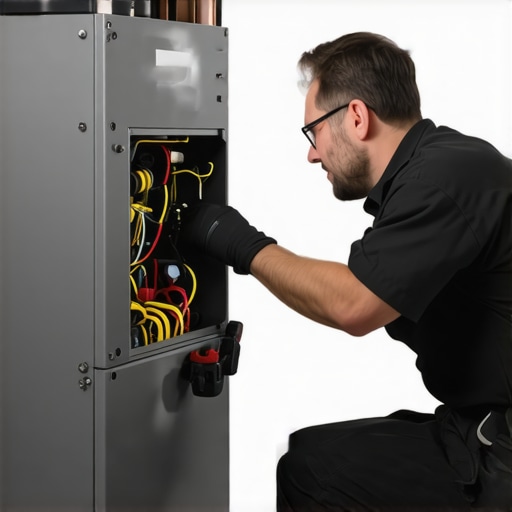
It was one of those cold winter nights when I flipped the switch on my thermostat and was met with silence instead of the usual comforting warmth. That icy shock—realizing my furnace had finally given out—hit hard. For many homeowners, this kind of unexpected failure isn’t just inconvenient; it feels like a personal betrayal from a system we trust to keep us warm.
The Hidden Stress of HVAC Troubles
For years, I took my heating system for granted—assuming it would always run smoothly, especially after a quick annual check-up. But that night taught me a valuable lesson: HVAC systems are complex, and when they falter without warning, the repercussions go beyond discomfort. Suddenly, I was scrambling to find a solution in the cold, learning the hard way that not all repair services are created equal.
It’s in moments like these that we realize rebuilding trust with our heating services is crucial. Proper maintenance and a clear understanding of what to do when things go wrong can turn a stressful nightmare into a manageable fix. Today, I want to share how I learned to avoid being left in the cold—and how you can too.
Has your heating system ever failed unexpectedly, leaving you cold and frustrated?
Early on, I made the mistake of ignoring small signs of trouble—like uneven heating and strange noises—which only worsened the problem. This oversight cost me more in repairs and discomfort than I’d like to admit. According to industry experts, many homeowners don’t recognize urgent repair signs until it’s too late, risking costly breakdowns and compromised safety (Learn more about urgent repairs here).
Now, I make it a point to stay informed and proactive about my HVAC needs. If you’ve ever faced a sudden system failure, you’re not alone—and there are practical steps you can take to restore warmth quickly and efficiently. Next, let’s dive into the core strategies that will help you regain control and rebuild trust in your heating system.
Assess the Situation Quick and Calm
When your furnace suddenly stops, don’t panic. First, check the thermostat settings—sometimes, it’s as simple as a dead battery or a setting mistake. If the thermostat is fine and the system isn’t running, move on to inspecting accessible components like filter clogging or circuit breakers. I once experienced this myself during a winter storm; after resetting a tripped breaker and replacing a dirty filter, the heat returned. Acting swiftly prevents further damage and keeps you warm.
Identify and Isolate Critical Problems
Look for obvious issues such as strange noises, foul smells, or uneven heating. These signs point to specific problems like fan motor failure or refrigerant leaks. For example, a peculiar rattling noise I heard turned out to be a loose blower wheel—tightening it restored quiet operation and efficiency. Recognizing symptoms early helps you focus repairs or communicate clear problems to technicians.
Utilize DIY Troubleshooting
Some fixes are straightforward and save money. Replace dirty filters, ensure vents aren’t blocked, and reset circuit breakers. Keep in mind, always turn off the power before opening panels to avoid shock. I recommend referencing reliable resources like this guide for step-by-step instructions. Proper troubleshooting narrows down the cause and prepares you for professional help.
Decide When to Call in a Professional
Complex issues such as refrigerant leaks, faulty thermostats, or electrical problems require certified technicians. Don’t attempt risky repairs—improper handling can worsen the system or cause safety hazards. During my own crisis, I contacted an expert after confirming the issue was beyond my skills, leading to a prompt, lasting fix. Use trusted service providers like this contact page to schedule repairs.
Coordinate with Heating Specialists Effectively
Provide technicians with detailed symptom descriptions and previous troubleshooting steps to streamline repairs. Ask questions about preventative maintenance to avoid future failures. For instance, I inquired about seasonal tune-ups, which helped me understand the importance of ongoing upkeep—see this resource. Clear communication ensures repairs are comprehensive and lasting.
Implement Temporary Measures for Comfort
If repairs take time, use space heaters, warm blankets, or draft stoppers—analogous to patching a leaking pipe temporarily. This buys you time while ensuring safety and warmth. During my experience, I used a small electric heater in the living room to sustain comfort until the technician arrived, underscoring the importance of immediate relief methods.
Follow Up to Prevent Future Emergencies
Schedule routine maintenance—filters, inspections, and system checks. Consider upgrading outdated equipment using insights from the latest innovations. Regular upkeep not only prolongs system life but also reduces emergency repairs, much like changing oil prevents engine failure. Staying proactive saves money and stress in the long run.
One common misconception is that all HVAC repairs are straightforward fixes suitable for DIY attempts. In reality, many homeowners underestimate the complexity of modern systems, which often require specialized knowledge and tools. Attempting to fix a refrigerant leak or electrical issue without proper training can not only worsen the problem but also jeopardize safety, leading to costly solutions. According to industry experts, misdiagnosed or improperly executed repairs can reduce system lifespan and efficiency, emphasizing the importance of trusting certified professionals. Proper selection of repair strategies is crucial for sustainable performance.
Why do homeowners often overlook the real signs of HVAC system deterioration, and how can understanding these nuances save you money?
Many believe that small issues like minor noises or slight temperature inconsistencies are insignificant, but in fact, these can be early indicators of larger problems such as compressor failure or heat exchanger cracks. Neglecting these signs might result in catastrophic breakdowns during peak seasons, forcing quick, expensive emergency repairs instead of scheduled maintenance. Recognizing subtle cues and acting proactively, as suggested in top repair strategies, can extend your system’s lifespan and optimize efficiency. Moreover, understanding the nuances of how different components interplay helps in diagnosing issues more accurately. For instance, irregular freezing of the evaporator coil might seem trivial but signals airflow obstructions or refrigerant problems, which if left unaddressed, can cause compressor burnout.
Hotly debated myths, such as the belief that regular repairs are unnecessary if the system isn’t broken, can lead to neglect. Maintenance actually functions as a preventive measure, reducing the risk of unexpected failure. Regular tune-ups, including thorough inspections and cleaning, can prevent costly replacements and ensure consistent comfort. It’s also a common mistake to delay replacing aging equipment, thinking new units are too expensive. Yet, the long-term savings from increased efficiency and fewer emergency repairs outweigh initial investment costs, especially when selecting advanced systems like those discussed in innovative cooling and heating solutions.
Understanding these hidden nuances positions you as a savvy homeowner rather than a victim of misconceptions. It also underscores the importance of expert consultation—not just when something breaks, but as a regular part of home maintenance. For deeper insights into picking the right HVAC solutions, explore this comprehensive guide.
Tools That Keep Your HVAC System Running Smoothly
One of the most effective ways to ensure your heating and cooling systems remain reliable is by investing in the right tools and understanding their use. I personally rely on a digital manometer to measure refrigerant pressure accurately, which helps me identify potential leaks before they become major issues. An anemometer is invaluable for checking airflow volumes, ensuring your ducts are unobstructed and efficient. Additionally, a high-quality multimeter allows me to troubleshoot electrical components safely and precisely, minimizing downtime and costly repairs.
Among these, a digital manometer stands out for its ease of use and accuracy, making it a staple in my maintenance routine. Regularly checking refrigerant levels with this device can prevent system inefficiencies and potential freeze-ups, saving you money long-term. Paired with a programmable thermostat, these tools enable proactive adjustments, helping your system adapt to seasonal changes and homeowner preferences effortlessly.
Software That Helps Keep Everything Aligned
Beyond physical tools, specialized diagnostic software has become a game-changer. I use diagnostic apps that connect via Bluetooth to compatible smart thermostats and sensors, giving me real-time data on system performance. These apps often include troubleshooting guides that reference manufacturer specifications, streamlining the repair process. For example, if your system’s temperature differential deviates from the recommended range, the software flags it, prompting further investigation.
Another beneficial resource is online system performance tracking platforms, which can store historical data to analyze trends over time. This helps in predicting future failures and scheduling maintenance accordingly. As technology evolves, expect these tools to become more integrated, offering remote diagnostics and proactive alerts—predicting issues before they affect your comfort.
Long-Term Maintenance Strategies for Stability
Maintaining HVAC systems isn’t a one-time effort; it requires a consistent approach. I recommend establishing a seasonal check-up routine—replacing filters, inspecting vents, and cleaning coils—to extend your equipment’s lifespan. Using a high-efficiency filter and scheduling professional tune-ups at least once a year significantly reduces unexpected failures. Incorporating smart diagnostics, like those discussed before, ensures you catch problems early. Regular inspections not only boost efficiency but also improve indoor air quality, leading to healthier living environments.
How do I maintain my HVAC system over time?
Understanding the evolving nature of HVAC technology, I stay updated with the latest innovations through trusted industry resources. Upgrading to smarter thermostats or energy-efficient components can provide long-term savings and performance improvements. I also keep a detailed maintenance log to track repairs and service dates, helping identify recurring issues and optimize future efforts. For tailored advice, consulting with certified technicians ensures that your maintenance practices align with manufacturer recommendations and local climate demands.
As the trend of smart, connected systems continues to grow, integrating IoT devices and AI-driven diagnostics will become standard in home HVAC management. Embracing these advancements now equips you to handle future challenges more effectively, reducing downtime and ensuring consistent comfort.
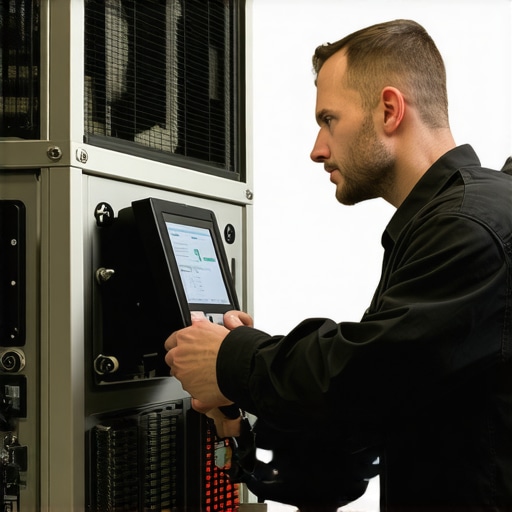
Image prompt: A technician using a digital manometer and digital multimeter during HVAC maintenance, showcasing tools in action, with a modern HVAC system in the background.
By incorporating precise tools and forward-thinking methods, you can keep your HVAC system performing at its best year-round. Don’t hesitate to try out a digital manometer—it’s a small investment that can save you significant costs and stress down the line. Regular maintenance, coupled with technology, ensures your comfort is always a top priority. For more detailed guidance, check out this resource.
The Hidden Lessons That Changed My Approach to HVAC Repair
One of the most valuable lessons I learned was the importance of listening to subtle system cues—strange noises, unusual odors, or inconsistent comfort levels. Ignoring these signs initially led to costly repairs, but recognizing them early transformed my maintenance mindset. I now see every small indicator as a whisper from my system, urging me to act before a crisis strikes.
Another lightbulb moment was realizing that DIY fixes are only safe and effective when symptoms are straightforward—like replacing filters or resetting breakers. Once I attempted to tackle complex issues without proper knowledge, I understood the necessity of trusting professional specialists for intricate repairs. Developing this judgment has saved me time, money, and stress.
Lastly, I discovered that preventative maintenance isn’t just about avoiding breakdowns; it’s about building a relationship with your system—understanding its needs, scheduling timely check-ups, and upgrading components proactively. This approach creates a cycle of comfort and efficiency that pays dividends over time.
My Must-Have Tools and Resources for HVAC Mastery
Investing in a digital manometer revolutionized how I monitor refrigerant levels, enabling me to spot leaks before they escalate into system failures. Complementing this, a high-quality multimeter has been indispensable for electrical troubleshooting, helping me identify faulty components safely and accurately. I trust these tools because they provide precise data, making maintenance less guesswork and more about informed decisions.
Beyond physical devices, I’ve come to rely on smart diagnostic apps that sync with my thermostats and sensors. They offer real-time insight into system performance, alerting me to deviations early and guiding repairs. These tools have empowered me to detect potential failures long before feeling the heat or cold, fostering confidence that my HVAC system is in good hands.
Keeping the System Going: Tips for Long-Term Comfort
Consistent scheduling of preventative maintenance—like filter changes and system inspections—has been my secret weapon. Upgrading to energy-efficient components and smart thermostats, guided by industry insights, enhances system longevity and reduces unexpected failures. Keeping a detailed maintenance log helps track recurring issues, allowing for smarter investments and timely interventions. These habits ensure my home remains a haven of comfort year-round.
Technology continues to evolve, making the future of HVAC maintenance even brighter. I am excited about innovations like IoT-connected systems and AI diagnostics, which promise proactive solutions and peace of mind. Embracing these advancements today positions homeowners to enjoy reliable, efficient heating and cooling tomorrow.
Benefit From Brokers of Knowledge and Inspiration
While I advocate for hands-on tools and proactive routines, I also recommend exploring cornerstone content like this comprehensive guide to efficient repairs. It provides foundational insights that elevate your understanding. For more specialized tips, articles such as this resource on urgent repairs are invaluable.
Take Your Comfort Into Your Own Hands
Remember, mastering HVAC confidence isn’t about perfection but persistent learning and proactive care. Start with small, manageable steps—invest in quality tools, pay attention to system signals, and don’t hesitate to seek professional help when needed. Together, these habits will create a home environment that’s warm, efficient, and resilient. Ready to take control? Share your experiences or questions below—let’s learn and grow together in mastering the art of HVAC care.
http://Sarah%20Mitchell
This article really resonated with me, especially the emphasis on early detection and proactive maintenance.I’ve learned firsthand how overlooking small signs like odd noises or temperature inconsistencies can lead to bigger, costly issues down the line. Since I started paying more attention to these subtle cues, I’ve managed to catch potential problems early and avoided emergency repairs. It’s almost like developing a communication with your system, understanding its ‘whispers’ before they become shouts. Do others here have specific routines or tools that help monitor their HVAC systems daily or weekly? I’ve found keeping a maintenance checklist has been invaluable in staying on top of things, but I’m curious about tech solutions or apps that others might recommend for real-time monitoring or alerts.
http://James%20Carter
Your story perfectly highlights how unexpected HVAC failures can leave homeowners feeling helpless. I completely agree that paying attention to early warning signs like strange noises or uneven heating can save a lot of stress and money later on. In my experience, setting up a simple routine once a month to check for these signs, along with changing filters regularly, can really make a difference. I’ve also started using a smart thermostat with built-in alerts, which has been helpful in providing real-time updates if something seems off. For homeowners looking to stay ahead of potential issues, investing in diagnostic tools like refrigerant gauges or airflow meters can be a game-changer. Have you found any particular apps or gadgets that work especially well in providing prompt alerts? Sharing such tools or routines could help others avoid being left in the cold during winter—in more ways than one! It’s all about building that proactive relationship with your system to ensure long-term comfort.
http://Michael%20Thomas
Reading this post really made me reflect on how often we take our HVAC systems for granted until disaster strikes. Last winter, I ignored a few odd noises and inconsistent heating, thinking it was just normal wear and tear. It wasn’t until my furnace refused to turn on during the coldest night that I realized how critical regular maintenance is. Since then, I’ve started using a smart thermostat that provides alerts for temperature drops and filter changes, which has really helped me stay ahead of potential issues. For other homeowners, I highly recommend incorporating simple diagnostic tools like airflow meters or even professional tune-ups to catch problems early. Have any of you tried using IoT devices or apps that sync with your HVAC system for real-time performance tracking? I’d love to hear about what’s working for others and how they manage proactive system care to avoid those cold surprises.