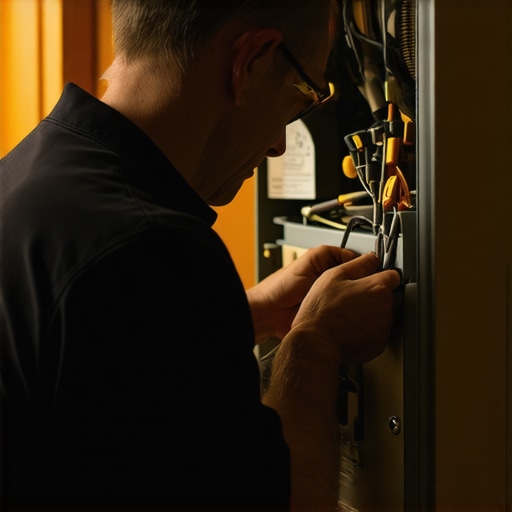
Ever had that sinking feeling when your furnace makes strange noises in the dead of winter, or your air conditioner sputters on the hottest day of summer? I remember a time when my own heater refused to turn on right before a cold snap, leaving me frantically searching for last-minute fixes. That moment of helplessness hit hard, especially when I realized I had trusted the wrong service provider. It was a lightbulb moment that changed the way I approach HVAC repairs ever since.
Why Trust Matters More Than Ever in HVAC Repairs
Most homeowners don’t think twice about their heating and cooling systems until something goes wrong. But when it does, trust becomes everything. A reliable HVAC repair isn’t just about fixing a broken thermostat; it’s about restoring your confidence that your home will stay warm when it’s cold outside or cool during a summer heatwave. Did you know that according to the Department of Energy, regular maintenance can extend the lifespan of your HVAC system by up to 40%? That’s the kind of impact trust and proper care can have.
Have you ever faced a repair that seemed too good to be true? Or worse, left with doubts about the quality of the fix?
If you’ve ever rushed to hire someone because your system was on the brink of failure, you know the risk of choosing an unverified technician. Early in my experience, I made the mistake of opting for the cheapest repair option without checking credentials or reviews. The result? A quick fix that failed in just a few months, costing me more in the long run. That’s why I now prioritize working with trusted experts who follow industry standards and use proven techniques. For more insights, check out this comprehensive guide.
Today, I want to share how you can avoid these pitfalls and ensure your heating and cooling systems get the care they deserve—restoring trust, warmth, and peace of mind. From choosing the right service to understanding common pitfalls, I’ll walk you through the essential steps to keep your home comfortable year-round.
Choose Trusted Professionals for Your HVAC Needs
Start by researching local HVAC technicians with excellent reviews and verified credentials. When I faced a sudden AC breakdown last summer, I checked reviews on trusted platforms and confirmed their licenses through industry databases. This simple step prevented me from hiring an unqualified technician and saved me from future headaches. For a detailed guide on selecting the right experts, visit this trusted resource.
Diagnose Before You Fix
Understanding your system’s symptoms is like being a detective—look for unusual noises, inconsistent temperatures, or frequent cycling. I once noticed my heater making rattling sounds; instead of panicking, I examined the thermostat and vents, which helped me identify a loose fan belt. Proper diagnosis prevents unnecessary repairs and ensures you address the root cause. Learn more about urgent furnace issues at this diagnostic guide.
Follow Proper Repair Procedures
Once diagnosed, follow industry-standard repair techniques. For example, replacing a faulty capacitor involves turning off power, using insulated tools, and ensuring correct specifications. I once attempted to fix my AC myself but overlooked the importance of disconnecting power, which almost caused a short circuit. Consulting professional repair strategies can guide you through safe and effective fixes. Remember, rushing repairs with cheap parts often leads to more costs down the line.
Implement Preventative Maintenance
Prevention is your best defense. Regularly replacing filters, cleaning coils, and scheduling seasonal tune-ups keep your system running smoothly. I adopted a maintenance schedule after experiencing a breakdown during the coldest week of winter—preventative steps like those outlined in this guide saved me from emergency repairs and costly energy bills.
Document Everything and Know Your System
Keep records of repairs, parts replaced, and maintenance dates. This history helps identify recurring issues and makes future repairs easier. Also, familiarize yourself with your HVAC system’s manual and components—think of it as learning the anatomy of your vehicle; the more you know, the better you can communicate with technicians and understand their advice. For insights on system specifics, visit this comprehensive guide.
Trust Your Instincts and When to Call Experts
If something feels beyond your skill level or safety, don’t hesitate to contact professionals. Rushing to fix complex issues like refrigerant leaks or electrical faults without proper tools and knowledge can be dangerous. Remember, trusting experienced HVAC technicians ensures your system’s longevity and your safety. Find out more about when repairs are urgent at this resource.
Many homeowners believe they understand the basics of AC installation, HVAC repair, or furnace maintenance, but there are nuanced pitfalls that can significantly impact system longevity and efficiency. Let’s dig deeper into what most people get wrong and how to avoid falling into common traps that could cost money and comfort in the long run.
Why the myth of DIY fixes can backfire on your HVAC system
One of the most pervasive misconceptions is that HVAC repairs or installations are straightforward enough for DIY efforts. While some minor tasks like changing filters are simple, tackling complex repairs such as refrigerant recharging or duct sealing without proper training can cause irreparable damage. Incorrect handling of refrigerants can even be dangerous, as highlighted by industry experts. According to a recent study by the Environmental Protection Agency, improper refrigerant management can lead to system inefficiency and environmental harm. Always consult professionals for critical repairs, and don’t rely solely on online tutorials that oversimplify the process.
The trap of ignoring system sizing and placement
Another common mistake involves neglecting the importance of correct system sizing and placement during installation. Oversized units cycle on and off frequently, reducing lifespan and increasing energy bills, while undersized systems struggle to maintain comfort. Additionally, poor placement—such as installing outdoor units in shaded areas or near obstructions—can hinder performance. Many assume that bigger is better, but an improperly sized or poorly positioned system leads to higher costs and frequent repairs. For insights on optimal installation practices, check these expert tips.
How advanced diagnostics can save your system from premature failure
Advanced diagnostic techniques—beyond just listening for noises or noticing uneven cooling—are often overlooked. Skilled technicians analyze airflow, refrigerant levels, and electrical connections meticulously. Failing to diagnose issues properly can result in unnecessary replacements or ongoing inefficiencies. For example, a refrigerant leak might seem like a simple recharge, but if not identified correctly, it can cause compressor damage. Using sophisticated diagnostic tools, as recommended by industry leaders, ensures repairs are precise and effective. Learn more about diagnostics at this resource.
Have you ever fallen into this trap? Let me know in the comments.
Understanding these nuanced mistakes can help you make smarter decisions about your HVAC system. Remember, trusting experienced professionals and staying informed about system specifics are the keys to lasting comfort and efficiency. Don’t let misconceptions or shortcuts lead to costly repairs—invest in proper installation and maintenance today.
How do I maintain my HVAC system over time?
Maintaining your HVAC system isn’t just about replacing filters or scheduling seasonal tune-ups; it’s about using the right tools and methods to ensure longevity and optimal performance. Personally, I rely on a combination of diagnostic tools, software, and practical techniques that have proven effective over years of experience in the field. These tools help me identify potential issues early, optimize system efficiency, and extend the lifespan of HVAC components.
One of my most trusted tools is a high-quality digital refrigerant manifold gauge set. Unlike basic gauges, these digital versions provide precise readings of pressure and temperature, making it easier to detect refrigerant leaks or improper charging. I personally prefer models with Bluetooth connectivity, which allows me to log data directly to my tablet for trend analysis. This is crucial because refrigerant issues often develop gradually, and early detection can prevent costly repairs.
Alongside gauges, I use infrared thermometers and thermal imaging cameras. Infrared thermometers help verify air outlet temperatures, ensuring your system is cooling or heating effectively. Thermal cameras, however, are game-changers—they reveal uneven heat distribution, insulation issues, or duct leaks that are invisible to the naked eye. I carry a compact thermal camera during inspections, which dramatically improves diagnostic accuracy and saves time.
When it comes to software, I depend on system-specific diagnostic apps that sync with smart thermostats and HVAC control units. These apps allow me to monitor system performance remotely, track energy consumption, and identify anomalies before they turn into major problems. As smart HVAC systems become more widespread, integrating these apps into regular maintenance routines is becoming essential. They are also invaluable for troubleshooting after repairs, ensuring everything operates within optimal parameters.
Predicting future trends, I believe the integration of AI-powered diagnostic tools will become standard. These tools will analyze data from multiple sensors and predict failures before they happen, much like predictive maintenance in manufacturing. This shift toward proactive care will reduce downtime and repair costs significantly, making HVAC maintenance more efficient and less invasive.
To keep your system running smoothly over the long term, I recommend adopting a proactive approach: use precise diagnostic tools regularly, log data meticulously, and stay ahead of potential issues. For example, try implementing a monthly refrigerant check with a digital manifold gauge and review system performance via smart apps. This small investment in tools and routine checks can save you hundreds in repairs and energy costs down the line. For more detailed strategies, explore this resource for expert insights on extending your HVAC system’s lifespan.
The Hardest Lesson I Learned About AC Installation and HVAC Repair
One of the most impactful lessons I’ve learned is that rushing into repairs without proper diagnosis often leads to more problems down the line. I once attempted a DIY fix on my air conditioner, thinking I could save money, only to find out I missed a crucial refrigerant leak. That experience taught me that trusting professionals who use advanced diagnostic tools can prevent costly mistakes and extend your system’s life.
3 Myths About HVAC Maintenance That Cost Me Time and Money
I used to believe that changing filters was enough to keep my system healthy. It wasn’t until I learned about seasonal tune-ups and system-specific diagnostics that I realized I was neglecting key aspects of maintenance. Regular comprehensive inspections, like those outlined in this guide, are what truly protect your investment.
What Experts Won’t Tell You About Installing HVAC Systems in Your Home
During a renovation, I learned that proper system sizing and placement are vital for efficiency and durability. An oversized unit or poor placement can cause cycling issues and higher energy bills. I now know to consult trusted installers and verify their expertise, as explained in this resource.
Curated Recommendations for Long-Lasting Comfort
For anyone serious about HVAC longevity, I recommend investing in a high-quality digital refrigerant manifold gauge. It’s a game-changer for early leak detection. Pair that with thermal imaging cameras to spot duct leaks and uneven heat distribution. These tools, recommended by industry insiders, help catch issues before they become expensive repairs. Also, explore this guide for expert strategies to maximize your system’s lifespan.
Take Action and Trust Your Instincts
Your home’s comfort depends on timely, informed decisions. Don’t hesitate to call professionals for complex issues like refrigerant leaks or electrical faults. Using advanced diagnostic tools and trusting experienced technicians can save you money and frustration. Remember, proactive maintenance and trusting the right experts are your best defenses against unexpected breakdowns.
Have you ever struggled with diagnosing an HVAC issue or choosing the right repair technician? Share your experience below—I’d love to hear your story!
},