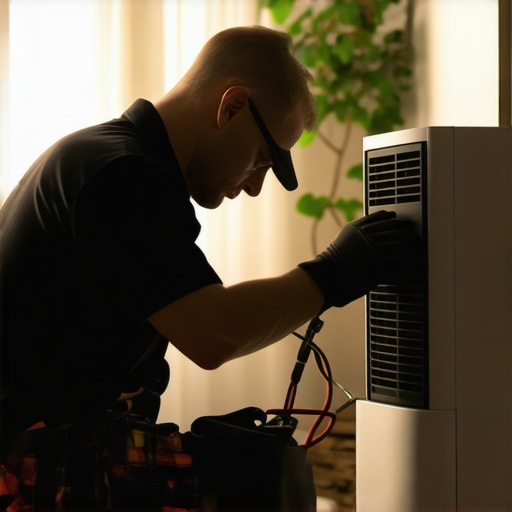
It was a cold winter night when I first experienced the chilling realization—my heater had given up just when I needed it most. The frustration of cold drafts seeping in, the helplessness of waiting for a technician, and the doubt creeping in about whether I could truly trust my heating system again. That moment sparked a journey of learning and discovery, transforming how I approach HVAC repairs and maintenance in my home.
Why Taking Control of HVAC Repairs Matters Right Now
If you’ve ever faced a sudden system failure or suspect your heating isn’t working as it should, you’re not alone. With energy costs rising and reliability becoming more critical, knowing how to handle HVAC issues confidently can save you money and restore your home’s comfort faster. Trust me, a little knowledge goes a long way—early mistakes, like ignoring small leaks or skipping regular maintenance, can lead to costly repairs down the line. I learned this the hard way, but now I want to help you avoid those pitfalls.
Is DIY HVAC Repair Actually Worth the Hype?
When I first started tinkering with my furnace, I thought I could save money and time. Turns out, I underestimated the complexity and risks involved. A common mistake I made early on was trying to fix a malfunctioning thermostat without proper tools or understanding. That almost made the problem worse. Now, I recommend approaching HVAC repairs with caution—knowing when to call in the pros and when a DIY touch is safe. For expert guidance on what repairs you can handle yourself, check out this ultimate guide to AC installation.
So, why does all this matter right now? Because your comfort and energy bills depend on a system that’s functioning optimally. Waiting too long or skipping regular maintenance can lead to system breakdowns, high costs, and discomfort. Today, I’m here to share proven tips to help you rebuild trust in your HVAC system and keep your home warm and cozy.
Start with a Clear Inspection
Before attempting any repairs, conduct a thorough visual inspection of your HVAC system. Check for obvious issues like loose wiring, rusted components, or debris blocking airflow. I remember the first time I did this; I found a clogged filter that was restricting airflow, which I replaced immediately. This simple step can prevent small problems from escalating and gives you a baseline for what needs fixing.
Learn Basic Troubleshooting Techniques
Get familiar with common issues like thermostat malfunctions, pilot light problems, or uneven heating. For example, I once discovered my thermostat was unresponsive because the batteries were dead. Replacing them restored proper function, saving me a costly service call. Use online guides and resources to understand how to test these components safely.
Use the Right Tools for the Job
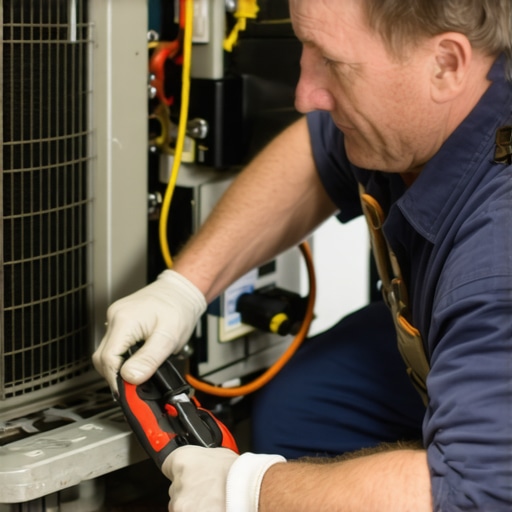
Invest in essential tools such as a multimeter, screwdriver set, and a utility knife. These tools are like your extension of your hand, helping you diagnose and fix minor issues. When I repaired my furnace, I used a multimeter to check electrical connections, which confirmed a blown fuse. Proper tools make all the difference in avoiding accidental damage and ensuring safety.
Follow Step-by-Step Repair Guides
Stick to reputable, detailed instructions like those found in the ultimate guide to AC installation. I once attempted to replace a faulty blower motor by following a step-by-step tutorial. The process was messy, and I had to redo some steps, but ultimately, my system was back up and running smoothly. Patience and careful adherence to instructions are vital.
Test and Confirm Repairs
After fixing a component, always test the system thoroughly. Turn on your HVAC and observe its operation—listen for unusual noises, check for proper airflow, and verify temperature settings. I remember once I fixed a leaking valve and then monitored my system for 24 hours; the leak stopped, and my home stayed warm. Document your steps and results for future reference.
Know When to Call the Professionals
Some issues are too complex or risky for DIY. If you encounter gas leaks, unfamiliar electrical problems, or persistent malfunctions, it’s safer to contact experts. For guidance on identifying urgent repairs, see how to identify when furnace repair is urgent. I learned this the hard way when trying to fix my compressor; a professional diagnosis saved me from potential hazards and costly mistakes.
Maintain Regular Check-Ups to Build Confidence
Establish a routine maintenance schedule—changing filters, cleaning vents, and inspecting components. I set reminders to replace filters every three months, which kept my system running efficiently and prevented breakdowns. Consistent maintenance is like regular health check-ups; it keeps your system healthy and trustworthy.
< >
>
Using these practical steps, you can confidently troubleshoot minor issues and maintain your HVAC system effectively. Remember, the goal is to extend your system’s lifespan and ensure reliable warmth and comfort in your home. For more detailed strategies, visit top HVAC repair strategies.
Many homeowners operate under misconceptions about HVAC repairs, often leading to costly mistakes and prolonged system issues. Let’s dig deeper into some of the most widespread myths that can sabotage your efforts to maintain a reliable heating and cooling system.
Why do so many believe in these HVAC repair myths?
These misconceptions often stem from outdated advice, industry stereotypes, or a lack of specialized knowledge. For example, a common myth is that DIY repairs are always cost-effective. In reality, attempting complex fixes without proper training can damage your system further, leading to expensive repairs down the line.
Another prevalent myth is that regular maintenance isn’t necessary if your system seems to be working fine. This false belief can cause homeowners to overlook critical preventative steps, such as filter changes and inspections, which are essential for system longevity and efficiency.
Furthermore, many think that cheaper replacement parts are just as good as OEM (original equipment manufacturer) components. However, inferior parts can compromise system performance and safety, ultimately costing more to repair or replace.
What’s the trap many fall into when trying to diagnose HVAC issues?
One oops factor is misdiagnosing the problem based on superficial symptoms. For instance, a noisy furnace might seem like a simple fix, but ignoring underlying issues like duct obstructions or motor wear can cause the problem to worsen. Always approach repairs with a comprehensive diagnosis, preferably guided by a professional or reputable troubleshooting resources.
Many homeowners also underestimate the importance of proper tools. Using the wrong screwdriver or ignoring electrical safety protocols can lead to injuries or system damage. Investing in quality tools and learning how to use them properly is a crucial step for anyone considering DIY repairs.
Advanced insight: Why is understanding system compatibility critical?
For those delving into repairs or upgrades, understanding system compatibility is vital. Installing incompatible parts or mismatched components can reduce efficiency and cause early failures. Experts recommend consulting detailed guides or professionals when upgrading parts—this ensures your system remains optimized and safe. According to industry experts, neglecting compatibility is one of the leading causes of premature HVAC failures, emphasizing the need for careful planning and expert advice. For more on best practices, check out this ultimate guide to AC installation.
Have you ever fallen into this trap? Let me know in the comments. Avoid these misconceptions, and you’ll save money, extend your system’s lifespan, and enjoy consistent comfort in your home. Remember, when in doubt, consulting a trusted professional can save you time and resources, as detailed in top HVAC repair strategies.
How do I maintain my HVAC system over time?
Maintaining your HVAC system is a crucial part of keeping it running smoothly and efficiently for years to come. I personally rely on a few key tools and methods that have proven their worth through my experience. First, a high-quality digital multimeter is indispensable for diagnosing electrical issues, as it allows me to quickly check voltage, resistance, and continuity with precision. I always opt for a multimeter with auto-ranging capabilities, like the Fluke 117, because it simplifies testing and reduces errors during troubleshooting.
Next, I use a set of insulated screwdrivers and ratchet wrenches. These tools are vital for safely accessing and replacing components like thermostats, relays, and contactors. Investing in tools with ergonomic handles makes prolonged work less tiring, and I prefer brands known for durability and precision like Klein or Wiha. Proper tools not only make the job easier but also prevent accidental damage to sensitive parts.
For cleaning and preventative maintenance, I swear by a good compressed air blower and a soft brush. Regularly cleaning the condenser coils and blower wheels prevents dust buildup that can impair efficiency. I typically schedule coil cleaning before the peak summer months, aligning with the heating service hacks for comfort and savings in 2025, to ensure peak performance during high demand.
In terms of software, I use diagnostic apps compatible with smart HVAC components, which provide real-time data and alerts on system performance. These apps can help detect early signs of trouble, allowing me to address issues before they escalate. As technology advances, integrating IoT-enabled thermostats and sensors can significantly enhance system monitoring and maintenance efficiency.
Looking ahead, I believe the trend will lean heavily towards intelligent, connected systems that self-diagnose and even suggest repairs or schedules automatically. To stay ahead, I recommend homeowners familiarize themselves with these innovations and consider upgrading to smart equipment when possible.
What’s the best way to keep your HVAC system working flawlessly over time?
The key is consistent, proactive maintenance combined with the right tools. Regularly replacing filters, inspecting ducts, and cleaning coils are simple yet effective steps that extend your system’s lifespan. Plus, leveraging diagnostic tools and smart technology enables early detection of issues, saving money and avoiding discomfort. For detailed strategies, check out top HVAC repair strategies. Don’t forget to schedule annual professional inspections to complement your DIY efforts and keep your system in prime condition. Take the initiative today—try using a multimeter to verify electrical components or set up a smart sensor system to monitor your HVAC performance remotely. These investments in maintenance tools and practices will pay off in long-term reliability and comfort.
The Hardest Lesson I Learned About HVAC Repairs
One of the most eye-opening moments for me was realizing that not every HVAC problem can be fixed with a simple screwdriver or a quick online tutorial. Early on, I attempted to replace a faulty contactor without proper electrical knowledge, which almost led to a dangerous situation. That experience taught me the importance of knowing my limits and recognizing when professional help is essential. It’s not about giving up but about understanding that some issues require trained expertise to ensure safety and longevity.
3 Myths About HVAC Maintenance That Held Me Back
I used to believe that if my system was running fine, I didn’t need regular maintenance. Big mistake. I learned that neglecting routine checks like filter changes and coil cleaning can silently degrade system performance and lead to costly breakdowns. Another misconception was that cheaper replacement parts would suffice; however, inferior quality parts often cause more harm than good, reducing efficiency and risking early failure. Dispelling these myths was crucial to maintaining a reliable HVAC system.
What Industry Experts Don’t Usually Say About DIY Repairs
Many professionals warn against attempting complicated repairs without proper training, and now I understand why. For example, misdiagnosing an electrical fault can not only damage your system but also pose safety hazards. Using the right tools—like a multimeter and insulated screwdrivers—made a huge difference in my DIY efforts. Investing in quality tools and knowing how to use them safely is a lesson I wish I had learned sooner, as it saved me time and prevented potential accidents.
Where to Go from Here
After my journey from uncertainty to confidence, I recommend building your knowledge base by consulting reputable guides and trusted resources. The ultimate guide to AC installation is an excellent starting point for understanding complex repairs and upgrades. Regular maintenance, combined with ongoing education and professional inspections, creates a foundation of trust in your home comfort system. Remember, every homeowner can become more confident—it’s just about taking the right steps and learning from experience.