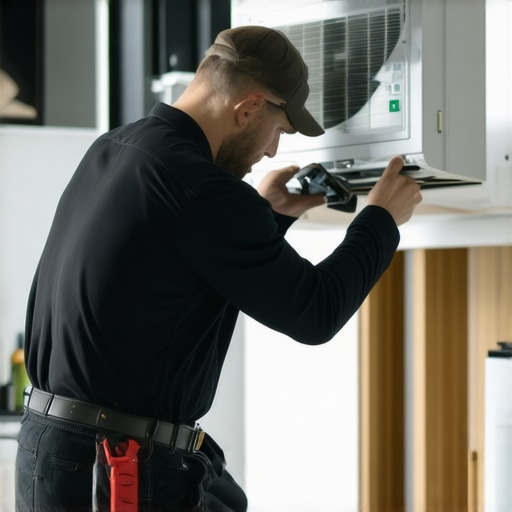
One chilly morning, I woke up to a freezing house, the kind where every breath felt like a reminder of how crucial a reliable HVAC system is. It was a lightbulb moment that made me realize how much we take for granted the comfort of a warm home—until it’s suddenly gone. If you’ve ever experienced a sudden breakdown or just worry about your system failing when you need it most, you’re not alone. I’ve been there, and I know how stressful it can be to trust that your heating or cooling will work when it counts.
Why Trust Matters When It Comes to HVAC
Think about it—your HVAC system isn’t just a box that blows air; it’s the backbone of your home’s comfort. When it falters, so does your peace of mind. Early on, I made the mistake of ignoring small warning signs, thinking, “It’s probably nothing.” But neglecting those signs often leads to costly repairs or complete system failure. That’s why understanding how to rebuild trust with your HVAC system is vital. It’s about ensuring you get the right repairs or installation, so you can relax knowing your home will stay cozy or cool as needed.
Is HVAC Repair Worth the Investment?
Many homeowners worry about spending too much on repairs or new installations. I used to think that way—until I realized that proper maintenance and timely repairs can extend your system’s lifespan significantly. According to industry experts, regular HVAC upkeep can boost efficiency and prevent major breakdowns, saving you money in the long run (Learn more about efficient repairs here). The key is knowing when and how to act, which brings us to the critical first step: trusting the professionals who understand your system and your needs.
Have you faced a moment where your HVAC just stopped working in the middle of a heatwave or a cold snap? If so, understanding your options and working with trusted experts can make all the difference. That’s what I’ll help you explore in this post—practical steps to rebuild trust in your home’s climate control, backed by real-world experience and industry insights. Ready to take control of your comfort? Let’s dive into the essentials of reliable HVAC repair and installation that will restore your peace of mind and your home’s cozy atmosphere.
Schedule a Professional Inspection
Start by booking an appointment with a licensed HVAC technician who can thoroughly assess your system. I once ignored a strange noise from my furnace until it stopped working during winter—calling a pro immediately could have prevented the breakdown. During the inspection, ask detailed questions about the system’s condition and maintenance history. This helps identify hidden issues and builds confidence that your system is in good hands. Check the company’s credentials and reviews to ensure you’re working with trustworthy experts, like those at Heat Pros Services.
Identify and Prioritize Repairs
After the inspection, get a clear estimate of necessary repairs. Don’t hesitate to ask for explanations of each suggested fix—understanding what’s wrong helps you trust the process. For example, I had a leaky duct that was causing inefficiency; fixing it immediately improved comfort and lowered my energy bills. Prioritize repairs based on urgency and potential impact on system reliability. Sometimes, a simple component replacement can restore full functionality, saving you from more costly future failures. Learn about common repair strategies at this guide.
Maintain Regular Upkeep
Consistent maintenance keeps your HVAC system running smoothly. I set reminders for annual inspections and filter changes, which significantly extended my system’s lifespan. Regularly changing filters, cleaning vents, and scheduling preventative maintenance can prevent small issues from escalating. Use a trusted service provider and review their preventative tips to stay ahead of problems and build trust in your system’s performance.
Upgrade When Necessary
If your system is old or inefficient, consider upgrading to a modern, energy-efficient model. I upgraded my aging furnace, and the difference was night and day—more reliable heat, lower bills, and peace of mind. Research options with the help of professionals and choose a unit that suits your home’s size and needs. An expert can guide you through the installation process, ensuring you get a system that delivers consistent comfort and reliability, like the innovations discussed at this resource.
Build a Partnership with Trusted Service Providers
Trustworthy HVAC companies become partners in your home’s comfort. I found that working with licensed, transparent technicians who explain their work fosters confidence. Review their privacy policy to understand data handling at this page and ensure they adhere to high standards. Regularly consulting with experts helps you stay informed about your system’s health and repairs, creating a bond of trust that ensures your home remains cozy no matter the season.
Stay Informed and Proactive
Finally, educate yourself about HVAC maintenance and repair options. Follow trusted sources and read up on the latest innovations and tips, like those at this blog. Being proactive means you catch issues early, prevent emergencies, and confidently manage your home’s climate control. Trust is built through knowledge and timely action—make it a priority to stay informed and engaged with your HVAC system.
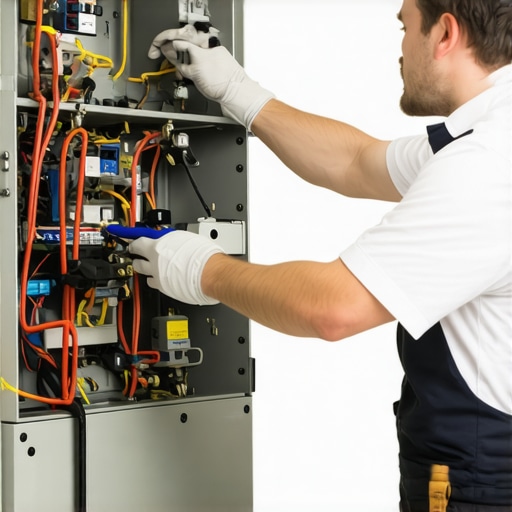
Many homeowners operate under misconceptions about their HVAC systems that can lead to costly mistakes. Let’s dig deeper into some of the most persistent myths and uncover the truths that can save you money and ensure your home stays comfortable.
Myth: Regular repairs are unnecessary if the system works fine
This misconception often leads to neglecting routine maintenance, which is essential for extending your HVAC’s lifespan. According to industry experts, preventive upkeep can identify small issues before they escalate into expensive repairs. Regular inspections, filter changes, and cleaning can keep your system running efficiently, saving you money in the long run (Learn more about efficient repairs here).
Myth: You should wait until the system breaks down to call a technician
Waiting for a breakdown can lead to emergency repairs that are often more expensive. Advanced diagnostics and early intervention can prevent total system failure. For example, catching refrigerant leaks early can avoid compressor damage. Building a relationship with trusted professionals and scheduling regular checkups is a smarter approach (Explore preventative tips here).
Myth: Upgrading your system isn’t cost-effective
Many believe that new HVAC units are too expensive and not worth the investment. However, modern, energy-efficient models can significantly cut energy bills and improve reliability. Upgrading can also provide better climate control and reduce the risk of unexpected failures. The right choice of a new system, installed by experts, can be a wise long-term investment (Learn about latest HVAC innovations here).
What about advanced systems—are they worth it?
Absolutely. Smart thermostats, zoning systems, and variable-speed units can optimize your home’s comfort and efficiency. But understanding their nuances is key; not all upgrades are suitable for every home. Consulting with knowledgeable technicians helps tailor solutions that truly benefit your household and prevent overspending on unnecessary features. Remember, the goal is reliability and savings, not just the latest gadget.
Have you ever fallen into this trap? Let me know in the comments. Staying informed about these misconceptions can empower you to make smarter decisions about your HVAC system, avoiding costly pitfalls and ensuring your home remains comfortable year-round.
How do I maintain my HVAC system over time?
Maintaining your HVAC system is crucial for ensuring it works efficiently and lasts longer. One of the most effective ways to do this is by investing in the right tools and adopting a consistent maintenance routine. Personally, I rely on a few specific tools that have made a significant difference in my maintenance efforts, helping me catch issues early and avoid costly repairs.
My Favorite Tools for HVAC Maintenance
The first tool I always keep handy is a digital manometer. This device allows me to measure duct pressure and airflow with precision. Regularly checking these parameters helps me identify leaks or blockages that could reduce efficiency. I personally use the Fieldpiece SM380V because of its accuracy and durability. It’s invaluable for diagnosing issues that aren’t visible to the naked eye and helps me confirm that repairs have been successful.
Next, I swear by a high-quality vacuum pump for refrigerant systems. Proper evacuation of refrigerant lines is essential to prevent compressor damage and ensure optimal cooling. I prefer the Yellow Jacket Digital Vacuum Pump because it’s reliable and easy to use. Regular vacuuming, especially before refrigerant recharge, keeps the system clean and running smoothly.
Another essential item is a set of precision screwdrivers and a multimeter. These help me perform basic electrical checks—like testing thermostats and control boards—so I can quickly identify faulty components. I recommend a digital multimeter like the Fluke 117, which offers excellent accuracy and safety features.
Why These Tools Matter
Using reliable, industry-standard tools ensures that my maintenance routines are thorough and accurate. It’s tempting to cut corners with cheaper equipment, but in the long run, investing in quality tools saves time and money. They help me detect problems early, which aligns with the industry advice from this guide.
What’s Next for HVAC Maintenance Tools
Looking ahead, I believe smart diagnostic devices and IoT-enabled sensors will become standard for home HVAC systems. These tools can continuously monitor system health, alerting you to issues before they become emergencies. For now, I recommend incorporating basic diagnostic tools into your routine and staying informed about new technologies that could automate some of these tasks.
If you’re serious about keeping your HVAC system reliable, I challenge you to try out a digital manometer or vacuum pump this season. Regular use of these precise tools will help you understand your system better and extend its lifespan. Remember, a well-maintained HVAC system not only saves you money but also builds confidence in your home’s comfort. For more detailed tips on HVAC upkeep, visit this resource.
The Hardest Lesson I Learned About HVAC Trust
One of the toughest realizations I had was ignoring early warning signs of HVAC issues. I once dismissed strange noises from my furnace, thinking it was nothing, only to face a freezing winter without heat. That taught me that trusting my instincts and acting swiftly can save you from costly emergencies.
3 Myths About HVAC Repairs That Held Me Back
Believing that repairs are unnecessary if the system still functions was a mistake. Regular maintenance is vital for longevity. Also, waiting until the system breaks down to call in professionals often results in higher costs. Upgrading an old system might seem expensive initially, but modern units save money long-term and improve reliability.
What Experts Won’t Tell You About HVAC Upgrades
Many overlook the benefits of smart HVAC systems like zoning and variable-speed units. These technologies can optimize efficiency and comfort, but only if tailored to your home by knowledgeable technicians. Choosing the right upgrade is about understanding your specific needs, not just following the latest trends.
My Essential Toolkit for HVAC Maintenance
Investing in quality tools like a digital manometer (e.g., Fieldpiece SM380V), a reliable vacuum pump (Yellow Jacket Digital Vacuum Pump), and a digital multimeter (Fluke 117) has transformed my approach. These tools help me catch issues early, ensuring my system runs smoothly and saving money on repairs.
Where to Go from Here
If you’re serious about trust, start scheduling regular inspections with licensed professionals. Educate yourself about your system’s needs and stay proactive. Trust is built through knowledge, action, and working with experts who prioritize your home’s comfort. For more insights on HVAC care, visit this helpful resource.