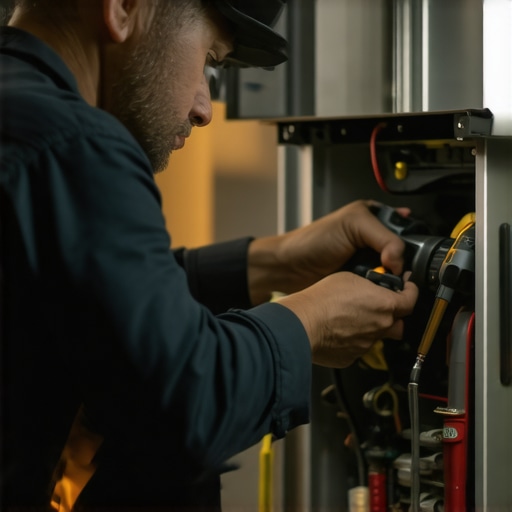
Imagine this: it’s a cold winter evening, and I finally get around to turning on my furnace after a long day. Nothing. Just silence. My heart sinks. I realize I’ve ignored my HVAC system’s warning signs for too long. That moment of helplessness made me realize how critical reliable heating solutions are—not just for comfort, but for peace of mind. If you’ve ever faced a similar freeze-out, you know exactly what I mean. Today, I want to share how proper HVAC repair strategies can restore trust in your system and ensure your home stays warm when it matters most.
Why Trust in Your HVAC System Matters More Than Ever
Your home’s heating and cooling system isn’t just about temperature; it’s about health, safety, and comfort. A malfunctioning HVAC can turn a cozy home into a cold nightmare overnight. Early mistakes—like ignoring small repairs or delaying maintenance—can escalate into costly replacements or complete breakdowns. From my experience, the key to avoiding this chaos is adopting effective repair solutions that rebuild trust and extend your system’s lifespan. Did you know that routine maintenance can reduce energy costs by up to 30%? (source: Heat Pros)
Have You Faced This Problem Too?
If you’ve ever been stranded by a sudden HVAC failure, I bet you wondered if it was worth trying to fix or just replace the whole unit. Believe me, I’ve been there. Early on, I made the mistake of ignoring small issues, thinking they would resolve themselves. That was a costly lesson. Now, I focus on targeted repairs that restore confidence, not just temporary fixes. The good news is that with the right approach, you can avoid that cold, frustrating night and keep your home warm all season long. For practical tips, check out preventative maintenance tips that help prevent surprises.
What’s Next?
In the sections ahead, I’ll walk you through actionable steps to troubleshoot common issues, choose the right repair solutions, and maintain your system’s efficiency. Whether you’re dealing with a stubborn furnace or a tricky AC unit, these strategies will help you rebuild trust in your home’s climate control. Ready to take control of your comfort? Let’s dive in.
Start with a Systematic Inspection
When I faced a stubborn furnace that refused to heat my home, I began with a thorough inspection. Turn off the system and check the thermostat for proper settings. Next, examine the air filters; a clogged filter can severely impair airflow, causing the system to underperform. If filters are dirty, replace them immediately. Then, inspect the circuit breakers to ensure the furnace isn’t tripped. This initial step is simple but crucial, as it often reveals the root cause of the malfunction.
Diagnose Common Issues Accurately
In my experience, many HVAC failures stem from specific, fixable problems. For example, a pilot light that’s gone out or a thermocouple malfunction can prevent a gas furnace from igniting. Use a multimeter to check electrical connections and voltage levels—this helps pinpoint issues accurately. Don’t guess; refer to the manufacturer’s manual for troubleshooting tips. If you encounter refrigerant leaks in an AC unit, look for oily spots around coils and fittings. Address these issues promptly to avoid escalating repairs.
Execute Targeted Repairs with Confidence
Once you identify the problem, act decisively. Replacing a faulty blower motor or cleaning dirty coils can restore performance quickly. When I replaced my blower motor, I followed a step-by-step guide from Heat Pros to ensure proper installation. Remember, safety comes first—disconnect power before working on electrical parts. Use appropriate tools to avoid damaging components. If a repair seems beyond your skill, don’t hesitate to call a professional to prevent further harm.
Test and Verify System Functionality
After repairs, restore power and run the system through a full cycle. Listen for unusual noises or vibrations, which can indicate misalignment or loose parts. Check that airflow is strong and that temperature distribution is even throughout your home. This step confirms that your repair was successful and that your system runs efficiently. For ongoing reliability, schedule regular maintenance based on preventative tips.
Document Your Repairs and Plan Ahead
Keep a record of what you fixed and when. Not only does this help you track system health, but it also prepares you for future issues. Consider investing in smart thermostats or maintenance alerts that notify you when service is needed. This proactive approach saves money and prevents emergency failures. As I learned from my experience, timely repairs and preventive measures are key to extending your HVAC system’s lifespan and maintaining comfort year-round.
Many homeowners operate under misconceptions when it comes to HVAC and furnace installation, repair, and maintenance. These myths can lead to costly mistakes and even compromise your home’s comfort and safety. Let’s dig deeper into some of the most misunderstood aspects and reveal the hidden nuances that HVAC professionals know but are often overlooked by the average homeowner.
Why the Size of Your System Matters More Than You Think
One of the biggest myths is that bigger HVAC units mean better cooling or heating. In reality, oversized systems can cycle on and off frequently, leading to increased wear and tear, higher energy bills, and uneven temperature distribution. Proper sizing, determined through detailed load calculations, ensures efficiency and longevity. As explained in Heat Pros, correct sizing is critical for optimal performance.
The Oops Trap: Ignoring Professional Calibration
Many homeowners think they can install or repair their HVAC units without professional help. However, improper calibration, especially of thermostats and refrigerant levels, can drastically reduce system efficiency and lifespan. For example, low refrigerant levels don’t just cool less effectively—they can cause compressor failure if left unaddressed. Always consider expert calibration to avoid costly repairs later. This is a common mistake I’ve seen, and it underscores why trusting a professional is often a wise investment.
What Advanced Homeowners Should Know About System Diagnostics
For those willing to go beyond the basics, understanding how to interpret diagnostic codes and system alerts can be a game-changer. Modern HVAC systems come equipped with smart sensors and self-diagnostic features. Recognizing these signals helps identify issues early. For instance, some systems display error codes that point directly to problems like airflow obstructions or sensor malfunctions, saving time and money. Check out Heat Pros for insights into advanced troubleshooting techniques.
Have you ever fallen into this trap? Let me know in the comments.
Maintaining your HVAC system over time is crucial for ensuring consistent comfort, energy efficiency, and avoiding costly repairs. Instead of relying solely on professional servicing, equipping yourself with the right tools and adopting good habits can extend your system’s lifespan significantly. I personally recommend investing in a few key items that make routine maintenance straightforward and effective.
Why a Digital Manometer Is a Must-Have
One tool I never leave out is a digital manometer. It’s invaluable for checking refrigerant pressures and airflow in your AC or heat pump systems. Unlike analog gauges, digital models give precise readings that help you identify issues like low refrigerant or improper airflow—common culprits behind system inefficiency. Using a reliable manometer allows you to perform quick diagnostics, saving time and money. I prefer models like the Testo 510, which is compact and offers accurate readings, making it ideal for homeowners who want a professional-level tool.
Leverage Smart Thermostat Technology
Smart thermostats have revolutionized home climate control. They not only let you remotely adjust settings but also provide diagnostic data that can alert you to potential problems before they escalate. For example, they log temperature fluctuations, system run times, and error codes, which can be shared with your HVAC technician. I’ve found that integrating a smart thermostat, such as the Nest Learning Thermostat, helps me monitor my system’s health and plan maintenance proactively. This ongoing oversight minimizes unexpected failures and ensures optimal performance, especially during peak seasons.
Regular Use of an HVAC Inspection Camera
A compact inspection camera or borescope is another game-changer. It allows you to peek into hard-to-reach areas like ductwork and coils without dismantling your entire system. With a clear video feed, you can spot dirt buildup, mold, or damage early on. I personally use the Depstek Borescope, which offers a flexible probe and high-definition video. Regular inspections can reveal small issues before they turn into major repairs, ultimately saving you money and extending your system’s operational life.
Adopt Routine Maintenance Practices
In addition to tools, developing a routine maintenance schedule is essential. Replace filters every 1-3 months, clean condenser coils, and check electrical connections. A good rule of thumb is to perform a visual inspection monthly and schedule professional tune-ups at least once a year. Following guidelines from preventative maintenance tips helps you stay ahead of potential problems. Over time, this proactive approach pays off by reducing energy bills and prolonging your system’s life.
Predicting Future Trends in HVAC Maintenance
Looking ahead, I believe the integration of AI and IoT devices will make HVAC maintenance even more intuitive. Smart sensors could automatically detect and report issues in real-time, prompting maintenance before failure occurs. This shift toward predictive diagnostics will empower homeowners and professionals alike to keep systems running smoothly without guesswork.
How do I maintain HVAC systems over time?
The key is consistency: use diagnostic tools regularly, stay on top of filter changes, and schedule annual professional checks. Combining these habits with smart technology ensures your system remains reliable and efficient for years to come. Don’t forget to review your system’s performance periodically; small adjustments now can prevent costly repairs later. To dive deeper into effective long-term strategies, check out these expert repair strategies.
The Hardest Lesson I Learned About HVAC Repair
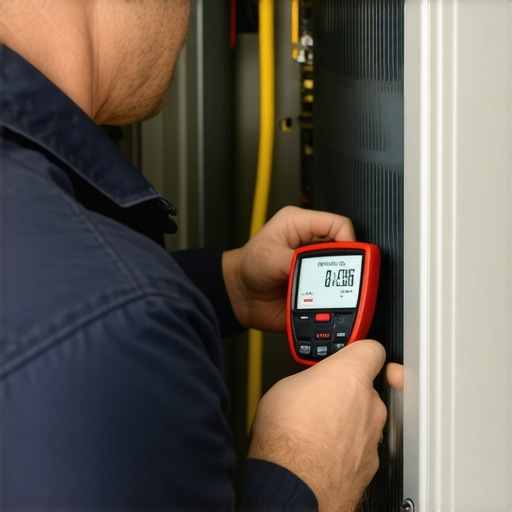
One cold winter night, I realized I had ignored warning signs from my furnace for too long. The frustration of a sudden breakdown taught me that trusting my HVAC system requires proactive care and expert intervention. That pivotal moment made me understand that improper repairs can extend beyond inconvenience—they can threaten safety and comfort. Now, I focus on routine maintenance and targeted repairs, which have saved me time and money, and restored my confidence in my system.
My Go-To Resources for HVAC Confidence
Whenever I face a repair dilemma, I turn to trusted tools and information sources. Tools like the Testo 510 digital manometer provide precise refrigerant pressure readings, helping me identify issues early. Books such as “The Homeowner’s Guide to HVAC Maintenance” offer clear guidance on DIY checks. For ongoing support, I rely on expert blogs from Heat Pros, which detail preventative tips that keep my system running smoothly all year.
Believe in Your Ability to Improve Home Comfort
The thought of repairing or maintaining an HVAC system might seem daunting at first, but taking small, informed steps makes a big difference. Regular inspections, proper tool use, and knowing when to call professionals are key. I’ve learned that patience, combined with the right resources, empowers homeowners to extend their system’s lifespan and ensure reliable comfort. So, start today—your home’s warmth depends on it. What’s one repair or maintenance step you’re ready to try? Let me know below.
http://Emily%20Carter
I really appreciate the detailed step-by-step approach outlined here for HVAC troubleshooting and repair. I’ve had my fair share of cold nights waiting for help to arrive, so understanding how to perform basic inspections—like checking the thermostat and replacing filters—has definitely helped me avoid some stressful situations. The emphasis on targeted repairs over temporary fixes resonates with me, especially since I’ve learned that quick band-aid solutions often lead to bigger problems down the line. I’m curious, has anyone found that using digital tools like a manometer or smart thermostats genuinely makes a noticeable difference in early detection of issues? I’ve been considering investing in these technologies to stay proactive rather than reactive. Also, I wonder—how often do others schedule professional tune-ups, and what sort of results have they seen in terms of maintenance costs and system longevity? It’s such a relief to know that consistent upkeep not only enhances comfort but also saves money over time.