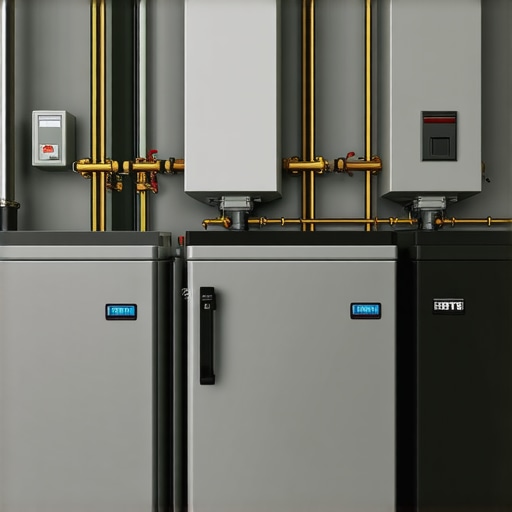
The 2025/2026 HVAC Cliff: More Than Just a Chemical Swap
Listen, I’ve spent thirty years dragging my tool bag through crawlspaces and over parapet walls, and I’ve seen the industry panic before. I remember the transition from R-22 to R-410A like it was yesterday—the ‘Sparkies’ were confused, and the ‘Tin Knockers’ were annoyed. But what’s coming in 2026 with the R-454B refrigerant transition is a different animal. This isn’t just about changing the ‘juice’ in the lines; it’s a total reimagining of how we handle thermodynamics in a world increasingly focused on GWP (Global Warming Potential).
Last winter, I followed a ‘Sales Tech’ who had spent forty-five minutes trying to convince a building manager that their entire hydronic system was a total loss. He quoted the guy $85,000 for a full retrofit because of ‘refrigerant obsolescence.’ I walked in, pulled the panel on the lead boiler, and found a fouled flame sensor and a loose wire on the thermostat installation. A twenty-minute fix. But that salesman wasn’t entirely lying about one thing: the equipment you buy today will be the last of its kind before the A2L mandates change the game forever. If you aren’t prepared for the shift toward leak detector integration and mildly flammable refrigerants, you’re going to be left holding a very expensive, very obsolete bag.
“The most expensive equipment in the world cannot overcome a bad duct system.” – Industry Axiom
1. The A2L Reality: Why Leak Detector Integration is Non-Negotiable
Let’s talk physics. R-454B is an A2L refrigerant. In plain English, that means ‘mildly flammable.’ Now, don’t go thinking your outdoor condenser is going to turn into a Roman candle, but the safety protocols are changing. Because these gases have a lower flammability limit, the EPA and equipment manufacturers are mandating leak detector integration within the indoor evaporator coils. If a leak occurs, the sensor trips, shuts down the compressor, and forces the blower motor to run to dilute the concentration of gas. This isn’t a suggestion; it’s a requirement for the next generation of AC installation. This added complexity means that the ‘chuck-and-truck’ installers who don’t understand low-voltage logic are going to be causing a lot of nuisance trips.
2. Inverter-Driven Compressors and the Death of Single-Stage Thinking
In the old days, a compressor was either on or it was off. It was like a light switch. In the 2026 landscape, inverter-driven compressors are becoming the standard, especially when paired with hyper-heat heat pumps. These units don’t just ‘blast’ cold air; they modulate. They slow down to a crawl to maintain a precise temperature. From a thermodynamic perspective, this is gold. By running at lower speeds for longer cycles, the evaporator coil stays just below the dew point, effectively removing latent heat (humidity) without ‘short cycling’ the sensible temperature. This is how we avoid the ‘cold-swamp’ feeling in humid climates. For those in colder regions, these hyper-heat heat pumps are now capable of pulling heat out of -15°F air, a feat that would have been laughed at a decade ago.
3. The Specialized Service Evolution: Boilers and Ventilation
It’s not just about the cooling. In the North, where we see heavy use of hotel boiler services and boiler repair services, the transition involves integrating these traditional hydronic systems with new heat recovery ventilators (HRV). As we seal houses tighter to meet energy codes, we are essentially living in plastic baggies. Without an HRV or HEPA filter systems, the indoor air quality (IAQ) turns toxic. I’ve seen wall furnace installation jobs where the installer forgot about combustion air, nearly creating a vacuum in the home. You need a tech who understands the balance of ‘pookie’ (mastic) and static pressure. A preventative maintenance contract isn’t just about cleaning coils anymore; it’s about calibrating these digital systems to ensure the building actually breathes.
“Ventilation is the intentional introduction of outdoor air into a space to control air contaminant levels, humidity, and temperature.” – ASHRAE Standard 62.1
If you’re managing a commercial property, you need to look at extending your system’s life before the 2026 price hikes hit. The cost of R-454B equipment is expected to jump significantly due to the new sensors and redesigned coils. Whether you need a wall furnace installation or a complex urgent furnace repair, the goal remains the same: airflow is king. If the ductwork is undersized, I don’t care if you have the fanciest inverter-driven unit on the planet; it will fail prematurely. Don’t let a sales tech talk you into ‘more horsepower’ when you really need better lungs for your building.
http://Megan%20Collins
This post offers a comprehensive look at the upcoming challenges and necessary adaptations for 2026 in HVAC systems. I particularly appreciate the emphasis on leak detector integration with A2L refrigerants like R-454B. From my experience, some installers underestimate the importance of understanding low-voltage controls and sensor calibration, which can lead to nuisance trips and system failures. It’s clear that the traditional ‘chuck-and-truck’ approach won’t cut it anymore, especially with the increased safety and efficiency protocols. Personally, I’ve seen the benefits of early system load assessments for avoiding oversized units that waste energy and prematurely age the equipment. I wonder, with the stricter safety requirements and refrigerant changes, what training and certification updates are most crucial for technicians to stay ahead? And how do you foresee these new demands impacting the timeline for retrofits in older buildings? Looking forward to hearing others’ strategies for successfully managing this transition.