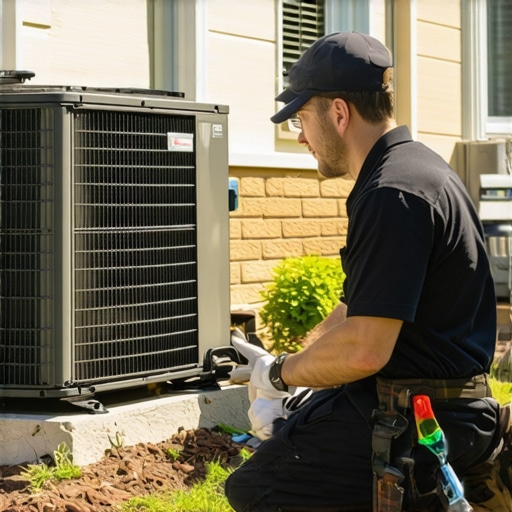
Have you ever experienced that moment when your AC dies during a heatwave, and you’re left scrambling for a quick fix? I remember the first time my cooling system failed just when we needed it most. It was a blazing summer afternoon, and the house felt like an oven. That wake-up call taught me an important lesson: trusting the right professionals for reliable AC installation and HVAC repairs isn’t just good sense—it’s essential for your home’s comfort and your peace of mind. If you’ve faced similar frustrations, you’re not alone. Many homeowners discover too late that cheap fixes or neglecting proper installation leads to costly breakdowns down the line. Today, I want to share how you can avoid those headaches by choosing trustworthy experts and understanding what makes HVAC systems perform reliably in 2024.
Why Reliable HVAC Service Matters More Than Ever in 2024
As we step into the new year, the importance of dependable heating and cooling systems has never been greater. With climate change driving unpredictable weather patterns, our homes need to adapt swiftly to rising temperatures and unexpected cold snaps. A well-installed and maintained HVAC system not only keeps your family comfortable but also reduces energy costs and prevents costly emergencies. According to Industry Insights, improper installation accounts for up to 30% of HVAC failures, emphasizing the need for expert guidance. Trustworthy service today is about more than quick fixes—it’s an investment in your home’s future reliability.
Is the Hype Around HVAC Experts Justified?
When I first started exploring HVAC services, I was tempted by the lower prices of unlicensed contractors. Let me tell you, I made a costly mistake early on by ignoring the importance of certification and experience. That oversight nearly led to a system that broke down within months. Now, I always recommend doing your homework before hiring anyone. Proper installation and repairs by certified professionals ensure your system works efficiently and lasts longer. For insights on expert tips that can make your HVAC system more reliable, I suggest checking out this comprehensive guide. In the upcoming sections, we’ll dive into practical, proven strategies to keep your HVAC system running smoothly, no matter what 2024 throws your way.
Diagnose Before You Dive
Start by accurately identifying the problem. I once rushed into a furnace repair without proper diagnosis and ended up replacing parts unnecessarily. To avoid this, observe your system’s behavior—strange noises, inconsistent temperatures, or skyrocketing energy bills are clues. Turn off the unit and schedule an inspection with a certified professional. Remember, a correct diagnosis saves time and money, and lays the groundwork for effective repair or installation.
Prepare Your Home and System
Clear the area around your HVAC units. Remove debris from outdoor condensers and ensure unobstructed airflow. Inside, replace filters and check for signs of wear or leaks. In one instance, I found a clogged filter that was reducing airflow, causing my system to strain and eventually fail. Proper maintenance before repairs or installation is crucial for optimal performance and helps technicians work efficiently.
Choose the Right Professionals for Repairs
Research local experts with certifications and positive reviews. I learned this the hard way when I hired a non-licensed contractor who did shoddy work, leading to more costs later. Use trusted sources, ask for references, and verify credentials. For comprehensive tips on selecting specialists, visit this guide. A licensed technician not only performs quality work but also adheres to safety standards, ensuring long-term reliability.
Ensure Accurate and Proper Installation
Accurate measurement and sizing are vital. When I installed a new AC unit myself based on wrong estimates, it caused frequent breakdowns. Professionals use tools like load calculators to determine the right size. During installation, they seal ducts properly, insulate components, and verify airflow and refrigerant levels. This thorough approach minimizes future problems and maximizes efficiency. To learn the nuances, review this expert resource.
Regular Maintenance and Monitoring
Routine check-ups prevent small issues from escalating. I now schedule spring and fall inspections, which include cleaning coils, inspecting ductwork, and testing thermostats. Pay attention to unusual noises or energy spikes—these can be signs of impending failure. Implementing preventative maintenance tips keeps your system running smoothly and extends its lifespan.
Plan for Future Upgrades
Stay informed about new technologies. Smart thermostats and energy-efficient units reduce costs and improve comfort. When my old furnace finally needed replacement, I opted for a high-efficiency model, which cut my heating bills by nearly 30%. Research options that align with your home’s needs. For insights into the latest innovations, see this resource. Remember, investing in quality components and timely upgrades guarantees steady comfort and reliability.
Many homeowners operate under assumptions about HVAC systems that can actually hinder their reliability and longevity. Let’s dig deeper into some of these nuanced pitfalls that even experienced homeowners often overlook. Challenging conventional wisdom can save you time and money—and ensure your system delivers peak performance for years to come.
Is Bigger Always Better When Choosing AC Units?
It’s a widespread myth that larger capacity air conditioners cool faster and more effectively. In reality, oversizing a unit leads to frequent short cycling, which prevents the system from removing humidity properly and causes increased wear and tear. Proper sizing relies on detailed load calculations, not just square footage. Skilled installers use tools like load calculators (you can learn more about these techniques in pro tips here) to ensure optimal performance. An undersized unit, on the other hand, struggles to meet cooling demands, leading to constant operation and higher energy bills. Understanding this nuance helps avoid costly mistakes and extends your system’s lifespan.
Why Ignoring Maintenance Can Backfire Spectacularly
Regular maintenance isn’t just about replacing filters; it includes inspecting ductwork, refrigerant levels, and electrical components. Skipping these checks can hide small issues that soon escalate into system failures. Interestingly, a study by the Department of Energy indicates that proper tune-ups can improve system efficiency by up to 30%, translating into significant savings over time. Many homeowners delay maintenance, believing their systems are fine—until a breakdown hits during a heatwave or cold snap. Don’t fall into this trap; proactive service is your best defense against unexpected failures. For ongoing tips, see preventative maintenance strategies.
Beware of Relying Solely on Emergency Repairs
Waiting until your system fails completely before calling a professional is a mistake that can cost hundreds, if not thousands, in emergency repairs or replacements. Advanced diagnostics today can identify impending failures—like refrigerant leaks or compressor issues—before they become critical. If you suspect such problems, get expert advice early by contacting trusted technicians. Early intervention often means simpler fixes and longer system life. Think of it as regular health checkups for your HVAC; staying ahead of problems prevents emergency conditions, saving money and stress.
What Advanced Measurements Reveal About Your System’s Health
For the experienced homeowner or technician, understanding subtle system nuances is vital. Technologies like infrared thermography and airflow analysis expose inefficiencies invisible to standard inspections. These tools can detect uneven duct pressures or refrigerant phase issues that cause increased energy use and breakdowns. Incorporating such methods into routine diagnostics elevates your HVAC maintenance from reactive to proactive. For insights into modern diagnostic techniques, see this expert resource. Mastering these advanced measurements allows for precision troubleshooting and optimal system longevity.
In conclusion, understanding the nuanced truths about HVAC repair and installation empowers you as a homeowner. Don’t settle for myths or surface-level fixes; instead, seek out professionals who emphasize precision, proper sizing, and preventative care. These strategies are the cornerstone of reliable, efficient heating and cooling in 2024. Have you ever fallen into this trap? Let me know in the comments.
Maintaining your HVAC system’s optimal performance over the years requires more than just routine checks; it demands the right tools and knowledgeable practices. As technology advances, so do the techniques professionals use to ensure your heating and cooling systems continue to operate efficiently. One of my go-to tools is the infrared thermographic camera. I personally rely on the FLIR E5 series for its excellent resolution and affordability, which allows me to detect uneven heat distribution or insulation failures that could lead to energy loss or system breakdowns. This proactive approach helps catch issues early, saving homeowners significant costs and discomfort.
In addition, I use digital refrigerant gauges like the
Looking ahead, I predict that smart diagnostic tools integrated with IoT will become commonplace. Imagine continuously monitoring your HVAC system with sensors that transmit real-time data to your phone, alerting you of potential issues before they become critical. This trend minimizes emergency repairs and extends system lifespan, making maintenance more preventive than reactive.
How do I keep my HVAC system performing over time?
Implementing a scheduled maintenance plan leveraging advanced diagnostic tools is key. Regularly inspecting components with infrared cameras and refrigerant analytics ensures that small issues don’t escalate. Additionally, adopting smart sensors that track temperature and pressure can alert you to anomalies early. I also recommend keeping detailed records of your system’s readings; this historical data helps identify deviations indicating performance degradation. For comprehensive insights into maintaining your HVAC effectively, visit this resource. Remember, consistency in using precise tools and data-driven diagnostics is the secret to long-term reliability. Try integrating infrared thermography into your routine—it’s a game changer for early detection and prevention of future issues.
Lessons That Changed My Approach to HVAC Repairs
The hardest lesson I learned was that rushing repairs without a proper diagnosis often leads to more headaches and expenses. Taking the time to understand the root cause saves money and prolongs system life. I also discovered that overestimating the capacity of an AC unit causes inefficiencies—more isn’t always better. Third, trusting professionals with proven expertise and certifications results in reliable performance, giving me peace of mind during extreme weather. Finally, staying proactive with maintenance rather than reactive to failures can prevent mid-summer crises, reinforcing my home’s comfort and safety.
Tools and Guides That Elevate My HVAC Game
My essential toolkit includes an infrared thermographic camera, like the FLIR E5 series, which detects heat leaks or uneven temperatures, helping me spot issues early. I also rely on digital refrigerant gauges such as the Testo 557s HVAC Kit; their Bluetooth capability lets me track and compare refrigerant pressures over time, ensuring repairs restore efficiency. For in-depth knowledge, I trust the comprehensive guides at this link and this resource. These tools and insights empower me to make informed decisions and validate professional work.
Fuel Your Confidence and Keep Your System Running Strong
Your turn is next—don’t wait for a breakdown before acting. Regularly inspect and maintain your HVAC system using reliable diagnostics and modern tools. Embrace new technologies like smart sensors that monitor your system’s health in real time, alerting you early to potential issues. By investing in continuous learning, proper diagnostics, and trusted professionals, you create a resilient home environment. Remember, confidence in your system starts with smart choices today. What’s one step you’re ready to take to improve your comfort and system reliability? Share your thoughts below and start the conversation.