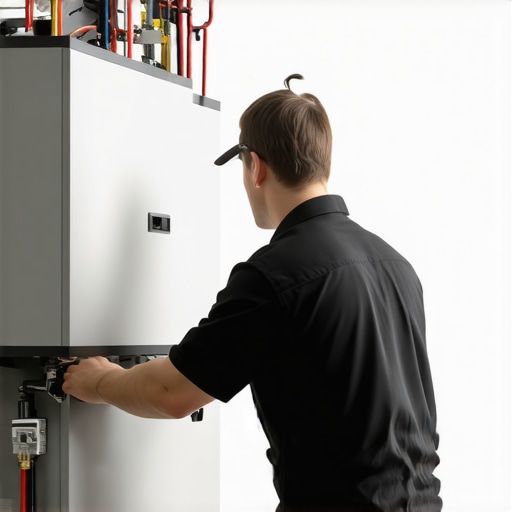
It was a chilly winter night when I woke up shivering because my heater had suddenly gone silent. For a moment, I wondered if I’d forgotten to pay the bill or if the system had just outlived its usefulness. But after some quick troubleshooting, I realized I was facing more than just a minor inconvenience—I was standing in the cold because I ignored early signs of furnace trouble. That lightbulb moment taught me a vital lesson: trusting the reliability of my heating system isn’t just about comfort; it’s about safety and peace of mind.
Why Your Furnace’s Reliability Matters More Than Ever
In the heart of winter, nothing feels worse than the fear that your furnace might let you down during the coldest nights. When your heating system is functioning flawlessly, it’s easy to take for granted how crucial it is—until it suddenly stops. That’s why investing in reliable furnace repair and maintenance becomes a smart, proactive choice instead of a reactive panic. Over the years, I’ve learned that many homeowners make common mistakes early on that could have been avoided. For instance, failing to schedule regular inspections or ignoring odd noises can lead to costly repairs or even system failure.
According to industry experts, neglecting proper maintenance can decrease your furnace’s efficiency by up to 30%, significantly increasing your energy bills and risk of breakdowns. A trusted source like the Department of Energy highlights that routine upkeep is essential for ensuring your system’s longevity and your home’s comfort, especially during winter when you need reliable warmth the most. If you’ve faced unexpected cold nights or costly emergency repairs, you’re not alone. Many homeowners discover the hard way that their systems weren’t as reliable as they thought.
Have you ever experienced that terrifying moment when your heater stopped working unexpectedly, leaving you company in the cold? If so, you’re in good company—and in the right place to fix this once and for all. The good news is that with some simple, strategic steps, you can restore your confidence in your heating system and ensure it stands ready when the temperature drops. Let’s explore what went wrong early on in my experience—and how you can avoid the same pitfalls, saving yourself stress, money, and sleepless nights.
Assess Your System’s Symptoms Immediately
Start by observing any unusual noises, uneven heating, or frequent cycling. Remember the messy Saturday I spent listening to banging sounds from my furnace—it was a clogged blower wheel. Quickly noting such signs helps you determine if urgent repairs are needed or if a scheduled maintenance will suffice. Use your observations to compare with common issues listed in https://heatprosservices.com/how-to-identify-when-furnace-repair-is-urgent-and-why, which offers detailed troubleshooting tips.
Perform Basic Safety Checks Before Getting Hands Dirty
Switch off your furnace at the circuit breaker to prevent electrical hazards. Inspect the area for debris, dust, or animal nests, which can obstruct airflow or cause fires. For example, I once found a squirrel nest near my outdoor unit, which could have led to system failure. Always ensure there are no gas leaks or corrosion—these are critical safety considerations. Consult https://heatprosservices.com/trusted-heating-system-repair-hvac-services-to-rebuild-confidence for expert safety protocols.
Clean and Replace Key Components
Replace or clean air filters every 1-3 months to maintain airflow efficiency. Use a vacuum or compressed air to clear dust from vents and blower wheels—think of it as giving your furnace a spa day. Remember, a dirty filter can reduce efficiency by up to 15%, and dirty blower wheels can cause motor strain. If you’re unsure how to access these parts, check https://heatprosservices.com/heating-service-hacks-for-comfort-and-savings-in-2025 for step-by-step DIY cleaning tips.
Inspect and Test Thermostat Settings
Ensure your thermostat is correctly calibrated. Sometimes, a simple recalibration or replacement can resolve uneven heating. During my first DIY attempt, I realized my thermostat’s batteries were dead, causing inconsistent readings. Set the thermostat to ‘auto’ to prevent constant cycling, reducing wear on components. For advanced settings, refer to https://heatprosservices.com/ultimate-guide-to-ac-installation-expert-tips-for-2025-success to understand system compatibility.
Check Electrical Connections and Circuitry
Loose wires or corroded terminals can cause intermittent operation. Use a multimeter to test voltage and ensure connections are tight. I once encountered flickering pilot lights, which was due to loose wiring—tightening those connections restored proper function. Always adhere to safety procedures outlined here: https://heatprosservices.com/expert-heating-system-repairs-to-rebuild-confidence-warmth, and consider calling a professional if you’re unsure.
Evaluate Fuel Supply and Ventilation Paths
Ensure gas lines are secure and functioning, with adequate ventilation to prevent carbon monoxide buildup. I discovered a blocked chimney flue that caused dangerous carbon monoxide levels—so personal safety is paramount. Use proper tools to check for obstructions, and consider professional chimney inspections periodically. For comprehensive advice, visit https://heatprosservices.com/heating-service-furnace-repair-trust-the-pros-for-lasting-warmth.
Test the System Under Operating Conditions
Turn the power back on and set the thermostat to test heating cycles. Listen for unusual noises or brief shutdowns. I personally watched my system go through a cycle, noting that a hum turned into a clang—prompting an immediate shutoff and further investigation. Document any irregularities for your technician, and review https://heatprosservices.com/top-hvac-repair-strategies-to-extend-your-systems-life for troubleshooting tips.
Consult Professional Repair Services When Necessary
If problems persist despite basic fixes, move to scheduling professional repair. Do not attempt complex repairs like replacing heat exchangers or control boards alone. I learned this the hard way, risking further damage. Use https://heatprosservices.com/expert-heating-system-repairs-to-restore-confidence-warmth to find trusted technicians and avoid scams or poorly done fixes. Remember, regular professional inspections can catch issues early—saving money and extending your system’s lifespan.
Many homeowners believe that scheduling a repair or installation is all about swapping parts or following basic safety checks, but the real nuances often trip up even seasoned DIYers. A common myth is that replacing an air filter or resetting the thermostat solves all problems, yet neglecting deeper system diagnostics can lead to costly failures down the line.
Why do some furnace repairs last longer than others—even when using the same parts?
Expert technicians understand that issues like improper calibration, poor airflow, or unchecked fuel quality are subtle but impactful factors. For instance, a study by HVAC industry analysts highlights that systems improperly calibrated during repairs often experience reduced lifespan and efficiency, emphasizing the need for meticulous diagnosis beyond surface fixes.
Another frequent mistake is underestimating the significance of ventilation. Many believe that sealing every leak maximizes efficiency, but without proper airflow, systems can overheat or become inefficient. Properly balancing sealing and ventilation is an advanced skill and often overlooked by amateurs.
Overlooking the importance of professional assessment is a trap many fall into. Routine maintenance, when performed by experts, involves a comprehensive evaluation—checking electrical circuitry, fuel supply, and system calibration—which vastly improves reliability. Read more about common misconceptions and expert-guided practices in the industry’s latest insights on furnace repair myths.
But the most insidious error is assuming that a quick fix is always sufficient. Often, homeowners ignore warning signs or delay professional inspections, risking further damage. Regular tune-ups not only extend the lifespan of your HVAC system but also prevent minor issues from escalating into emergencies. Have you ever fallen into this trap? Let me know in the comments. By understanding these nuances and avoiding common pitfalls, you set yourself up for reliable, efficient, and safe climate control—saving money and safeguarding your home’s comfort over the long haul.
Maintaining your heating and cooling systems over time demands the right equipment and a strategic approach. I personally rely on high-quality digital multimeters such as the Fluke 117, which provides precise readings of voltage and continuity—crucial for diagnosing electrical issues quickly and safely. Using a reliable infrared thermometer helps me identify uneven heating patterns and potential hot spots, enabling proactive fixes before small problems escalate into costly repairs. These tools are invaluable for ensuring systems operate efficiently and safely, especially during peak seasons.
Another essential piece of equipment in my toolkit is a refrigerant leak detector, like the Fieldpiece settings, which help me pinpoint leaks in AC systems that could compromise performance or safety. I prefer electronic leak detectors over soap bubbles or visual inspections because they offer faster, more accurate readings without contaminating the system. Investing in quality gauges, such as the manifold set from Yellow Jacket, allows me to monitor pressure levels precisely—vital during recharging or diagnosing refrigerant issues.
Software plays a growing role in diagnostics as well. I use HVAC-specific diagnostic apps like HVAC Calcs, which provide instant access to system specifications, wiring diagrams, and troubleshooting guides, streamlining my workflow and reducing guesswork. These digital tools help me determine the exact components needed for repair or replacement, aligning with industry standards and manufacturer guidelines.
Looking ahead, the trend points toward increased integration of IoT (Internet of Things) devices that enable real-time system monitoring. Smart thermostats and sensors can transmit performance data directly to my devices, alerting me instantly to anomalies—minimizing downtime and improving long-term system performance. As technology advances, adopting these tools will become standard practice for proactive maintenance, helping homeowners and technicians stay ahead of issues.
How can I keep my HVAC systems running smoothly over time?
Regular calibration of your diagnostic tools is essential to maintain accuracy, and scheduling professional inspections at least once a year ensures systems stay in optimal condition. Additionally, investing in advanced diagnostic equipment like the FLIR E8 thermal imaging camera allows for detailed heat analysis, which can detect hidden problems early. Incorporating data-driven approaches, as recommended by industry specialists, will keep your systems efficient and extend their lifespan. For further insights on innovative HVAC solutions, check out the latest industry innovations. I encourage you to try using an infrared thermometer for early detection of uneven heating—it’s a game-changer for prevention and peace of mind.
Lessons That Changed My Approach to Furnace Fixes
One of the toughest realizations was understanding that ignoring minor warning signs often leads to major failures. My first winter with a new system, I dismissed odd noises and uneven heating. The cold night when my furnace finally quit taught me that proactive maintenance isn’t just about comfort—it’s about safety and avoiding costly emergencies. Additionally, I learned that trusting solely in DIY fixes can be tempting but often overlooks subtle issues like improper calibration, which only professionals can detect, as detailed in industry insights.
Another lightbulb moment came when I discovered the importance of balancing safety checks with system diagnostics. Ensuring your gas lines, electrical connections, and ventilation paths are intact is vital. It’s not just about fixing what’s visible but understanding how every component works together, leading me to value expert evaluations over quick fixes.
Finally, I realized that documenting system behavior during tests helps prevent future breakdowns. Keeping track of irregular noises, cycling patterns, or temperature inconsistencies provides a clear history for technicians. These lessons reinforced that a strategic, informed approach saves time, money, and peace of mind in the long run.
Tools and Guides That Make a Difference
My essential toolkit includes a reliable digital multimeter like the Fluke 117, which helps me diagnose electrical issues with confidence. Pairing this with an infrared thermometer allows me to spot uneven heating early, preventing small problems from becoming emergencies. For refrigerant leaks, I trust electronic detectors like Fieldpiece, which provide quick and accurate results without system contamination. Monitoring pressure levels with top-grade gauges from Yellow Jacket ensures precise refrigerant handling.
On the knowledge side, I often consult comprehensive resources like the industry’s latest guides on installation and repair. For troubleshooting, apps such as HVAC Calcs streamline diagnostics, giving me instant access to system specs and wiring diagrams. Additionally, staying updated with industry insights from emerging HVAC innovations helps maintain high standards of service and efficiency. Embracing these tools and resources transforms complexity into clarity, enabling proactive maintenance.
Embrace the Future and Keep That Furnace Happy
The journey toward reliable furnace performance is ongoing and filled with learning. Think of each repair and inspection as an investment in your home’s safety and your peace of mind. Utilizing the right tools, following expert advice, and staying vigilant transform potential disasters into manageable maintenance. Every homeowner has the power to extend their system’s lifespan by adopting a proactive mindset—and trust me, the comfort and confidence gained are well worth the effort.
Insider Wisdom on What Nearly Cost Me My Warmth
- Never underestimate the importance of regular calibration—small misalignments can lead to significant inefficiencies or breakdowns. I once ignored a slight thermostat discrepancy, only to face a freezing night with a suddenly dead furnace.
- Don’t conflate cleaning filters with comprehensive system health—airflow issues can hide inside blower wheels or ducts, which require professional attention. Missing these caused my system to strain unnecessarily.
- Safety checks like inspecting for gas leaks and ensuring ventilation aren’t optional—they are critical. Overlooking these early warning signs nearly led to dangerous carbon monoxide buildup in my home.
- Use technology to stay ahead—integrating smart thermostats and IoT sensors can alert you to issues before they escalate. I’ve found peace of mind in real-time updates from these devices.
- Partner with trustworthy professionals who can perform detailed diagnostics—DIY can only go so far. Investing in expert inspections has saved me more than once from costly repairs and uncomfortable nights.
Remember, mastering furnace maintenance isn’t about reacting to failures but preventing them. With the right knowledge and tools, you can ensure your home stays warm, safe, and efficient. Have you ever caught a small issue early that saved you from a bigger problem? Share your experience below and let’s learn together.