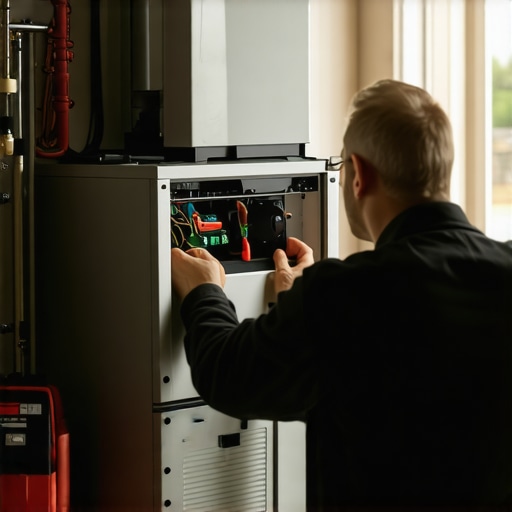
Ever been in that freezing moment when your furnace decides to give out on the coldest night of the year? I remember the sinking feeling in my gut when my own heater started making strange noises right before a snowstorm. That lightbulb moment hit me hard: I needed reliable, straightforward tips to handle furnace repairs confidently. If you’re tired of feeling helpless with your heating system, you’re not alone. Today, I promise to share proven strategies to help you regain control and trust in your HVAC system, so you can stay warm and worry-free.
Why Trusting Your Heating System Matters More Than Ever
Many homeowners face the frustrating reality of unexpected heating failures. It’s not just about comfort; it’s about safety and saving money. A reliable heating system keeps your home warm during harsh winters and reduces energy costs when maintained properly. But here’s the kicker: most people don’t know where to start when their furnace falters. Early on, I made the mistake of ignoring small warning signs, thinking they would resolve themselves. That was a costly lesson. According to industry experts, neglecting routine maintenance or ignoring urgent repair needs can lead to costly breakdowns and even safety hazards (source). That’s why understanding reliable repair tips is crucial for every homeowner.
Facing Your Biggest Skeptical Question
Is DIY furnace repair actually worth the hype? For many, it sounds risky—like playing mechanic without a license. Believe me, I’ve been there. I once tried a quick fix that ended up costing me double in professional repairs. The truth is, there are simple, safe steps you can take to troubleshoot and even fix minor issues. The key is knowing your limits and when to call in a pro. For more complex problems, professional help is indispensable. To learn how to tell when repairs are urgent, check out this guide. It helped me avoid dangerous pitfalls and rebuild my confidence in my system.
If you’ve faced recurring breakdowns or just want to avoid that panic moment when your heater fails unexpectedly, keep reading. I’ll walk you through essential tips to troubleshoot, maintain, and when necessary, rebuild trust with your HVAC system. Trust me, a little knowledge goes a long way in keeping your home warm and your nerves calm.
Tackle Troubles with Confidence and Clarity
When your furnace acts up, the first step is to turn off the power to prevent further damage. Find your circuit breaker or switch and switch it off. This simple action is like putting a ‘do not disturb’ sign on your system, ensuring safety as you begin troubleshooting.
Check the Thermostat Settings Carefully
Sometimes, the issue isn’t with the furnace but with the thermostat. Ensure it’s set to ‘heat’ and at a temperature higher than the current room temperature. If it’s battery-powered, replace the batteries to rule out power issues. I once spent hours troubleshooting a non-heating system only to realize the thermostat was on ‘cool’ mode—lesson learned!
Inspect and Clean the Air Filter
A clogged filter can choke your system, causing it to shut down or work inefficiently. Remove the filter and hold it up to the light. If it’s dirty, replace it with a clean, high-quality filter. This quick fix can boost airflow and efficiency immediately. Remember, a dirty filter is like trying to breathe through a clogged nose—hard and inefficient.
Examine Vents and Registers for Blockages
Blocked vents prevent warm air from circulating properly. Make sure all vents are open and unobstructed by furniture or curtains. Clearing these obstructions can often restore normal airflow without professional help—saving time and money.
Listen and Look for Unusual Noises or Signs
Unusual sounds like banging or rattling can indicate loose components or debris. Open the access panel and visually inspect for loose wires, debris, or debris. If you see a loose screw or a disconnected wire, tighten or reconnect it carefully. Always remember, safety first: if you’re unsure, it’s better to consult a professional.
Reset Your Furnace Properly
If your system has a reset button, press it according to the manufacturer’s instructions. Sometimes, a simple reset clears minor glitches. For instance, I once had to reset my furnace after a power surge, and it fired right back up. Just ensure you follow the specific reset procedure for your model, which you can find in the manual or online.
Recognize When to Call the Pros
If these steps don’t fix the issue, or if you notice strange smells, persistent error codes, or the system won’t restart, it’s time to seek professional help. Don’t risk safety or further damage by attempting complex repairs yourself. For complex problems, check out this guide to determine urgency.
By following these concrete steps, you can troubleshoot minor issues confidently and avoid unnecessary expenses. Remember, regular maintenance is key to a reliable furnace—consider scheduling a professional inspection annually. For more expert tips, explore preventative maintenance hacks and keep your system running smoothly all year round.
When it comes to HVAC and furnace installation or repairs, many homeowners operate under misconceptions that can lead to costly mistakes. Let’s dig deeper into some of the most overlooked nuances that can make or break your system’s longevity and performance.
Why Most People Overlook the Hidden Cost of Cheap Installations
Many believe that opting for the lowest bid ensures savings, but in reality, cutting corners during installation often results in poor system performance, higher energy bills, and frequent breakdowns. A shoddy setup can cause uneven heating, increased wear and tear, and even safety hazards. Industry experts emphasize that proper installation is crucial, and skimping on quality can be more expensive in the long run. For a detailed guide on what to look for during installation, check out these expert secrets.
Beware of the Myth That All Repairs Are Equal
Many homeowners assume that any repair will do, but not all fixes are created equal. A common mistake is relying solely on quick fixes instead of understanding the root cause of issues. This can lead to recurring problems and even system failure. Trusting professionals who use diagnostic tools and proper troubleshooting techniques is essential. For instance, not replacing a malfunctioning thermostat or ignoring minor leaks can escalate into major repairs later. To avoid this trap, consider strategic repair approaches.
Can You Spot the Advanced Mistake Homeowners Often Miss?
One advanced mistake is neglecting the importance of system sizing and airflow balance. Installing an AC or furnace that’s too large or too small for your space can cause inefficiency, excessive wear, and uneven comfort. Proper system sizing involves detailed calculations and understanding of your home’s specific needs—something many overlook. According to a study by the U.S. Department of Energy, improper sizing accounts for up to 70% of HVAC inefficiencies. Always consult with qualified professionals who assess your home’s unique characteristics before installation. For insights into modern innovations that optimize system sizing, explore future-ready solutions.
Have you ever fallen into this trap? Let me know in the comments. Remember, understanding these hidden nuances helps you avoid costly mistakes and ensures your HVAC system keeps your home comfortable and safe for years to come.
Keeping your HVAC system in top shape requires more than just occasional repairs; it demands the right tools and a proactive maintenance mindset. Over the years, I’ve tested and relied on several specific pieces of equipment that make diagnosing and maintaining heating and cooling systems much more straightforward and effective.
Invest in a Digital Manifold Gauge Set
This is my go-to tool for checking refrigerant levels and system pressures. Unlike traditional analog gauges, digital versions provide quick, accurate readings, which are crucial for diagnosing issues like leaks or inadequate refrigerant. I personally prefer models with wireless connectivity so I can monitor readings remotely—saving time and reducing the need to be physically close to potentially hot or cold systems. Using a reliable gauge set helps prevent unnecessary service calls and ensures your system runs efficiently for years.
Use a High-Quality Multimeter
A versatile multimeter is indispensable for testing electrical components, thermostats, and wiring. I always opt for a digital multimeter with auto-ranging capabilities, which simplifies testing voltage, current, and resistance. This helps me quickly identify faulty relays, blown fuses, or bad wiring connections. Remember, safety is paramount—always disconnect power before testing, and consider investing in a multimeter with built-in safety features like CAT ratings.
Employ Infrared Thermometers for Precise Temperature Checks
Infrared thermometers allow me to scan vents, coils, and ducts to ensure proper airflow and temperature distribution. These devices provide instant readings without contact, which is ideal for quick diagnostics during routine maintenance. I recommend models with a laser pointer for accuracy and a wide temperature range to cover different HVAC components. Regular use of an infrared thermometer helps prevent issues like uneven heating or cooling, extending your system’s lifespan.
Automate with HVAC Monitoring Software
Looking ahead, the trend is moving toward smart HVAC systems integrated with monitoring software. I’ve started using platforms that connect with thermostats and sensors, providing real-time data on system performance and alerts for anomalies. These tools enable proactive maintenance—catching problems early before they escalate into costly repairs. As technology advances, expect even more sophisticated solutions that can diagnose issues remotely and suggest specific fixes, making professional repairs more targeted and efficient.
How do I keep my HVAC system working over time?
Regular maintenance is the cornerstone of longevity. Schedule professional inspections annually, and incorporate routine checks with your tools—like cleaning coils, replacing filters, and testing electrical connections. Staying ahead of potential issues not only saves money but also ensures your home remains comfortable year-round. For comprehensive guidance, explore preventative maintenance tips that can extend your system’s lifespan. Remember, investing in the right tools now means fewer surprises later and a more resilient HVAC system. As the industry moves toward smarter solutions, embracing these technologies will ensure your home stays comfortable efficiently and reliably for years to come.
What I Wish I Could Tell My Past Self About HVAC Troubleshooting
One of the hardest lessons I learned was that rushing into repairs without proper diagnosis often leads to more headaches and expenses. I once replaced a part only to find out later that the root cause was a simple thermostat misconfiguration. Taking the time to understand the entire system before jumping in saved me from unnecessary repairs and frustration.
The Hidden Gems in My Toolbox That Changed Everything
Investing in a digital manifold gauge set and a high-quality multimeter transformed my approach to HVAC repairs. These tools provided precise readings and quick diagnostics, helping me identify issues like refrigerant leaks or electrical faults early. They’re reliable allies in avoiding guesswork and ensuring my system runs efficiently.
Why Trusting Your Gut Can Save Your System
Sometimes, listening to the subtle sounds or noticing unusual odors from your furnace can be the first sign of trouble. My instinct to act on these signs, combined with proper checks, often prevented more serious failures. Staying attentive and proactive makes a significant difference in maintaining trust in your heating system.
Curated Recommendations for HVAC Success
For anyone serious about keeping their furnace in top shape, I recommend the preventative maintenance guide—it offers actionable tips that extend your system’s lifespan. The ultimate installation guide is also invaluable for understanding what makes a system last. Lastly, trusted repair services ensure you get professional help when needed without the guesswork.
Your Next Step Toward Reliable Heating Starts Today
Taking control of your furnace repair journey means embracing both knowledge and the right tools. I encourage you to stay vigilant, keep learning, and never hesitate to seek expert help when the situation demands it. Your home’s comfort depends on it—so why not start today? What’s the first issue you plan to troubleshoot confidently? Share your thoughts below and let’s build a community of savvy homeowners!
http://Michael%20Stevens
This post hits home for me, especially the part about understanding when to call a professional. I remember trying to fix a noisy furnace myself after reading some online tips, only to end up making the problem worse. Since then, I’ve learned that recognizing the signs of a major issue—like strange smells or persistent error codes—is crucial to prevent safety hazards and costly repairs. I also appreciate the emphasis on regular maintenance, like changing filters and inspecting vents; these small steps seem to make a big difference in system longevity. One thing I’ve found particularly helpful is investing in basic diagnostic tools, such as a multimeter and infrared thermometer, which give me peace of mind when doing simple troubleshooting. What are some affordable yet effective tools that other homeowners have found useful? Looking forward to hearing everyone’s experiences and tips to better handle these little emergencies!