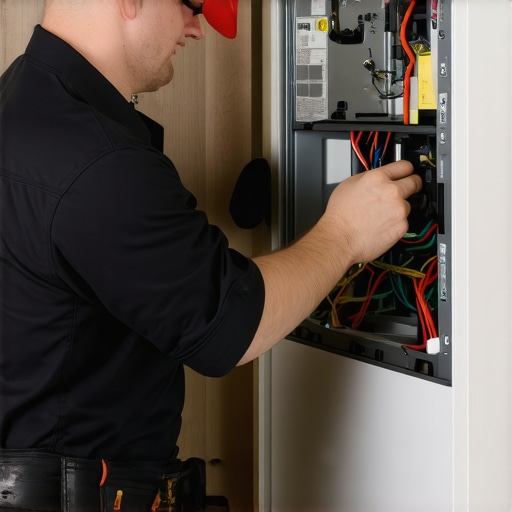
Last winter, I found myself shivering in my own home, desperately trying to coax warmth from a furnace that seemed to have given up on me. It was a cold, frustrating experience that made me realize how crucial reliable heating really is. That moment was a lightbulb for me—trusting unreliable repair tips can leave you cold and frustrated, especially when you need heating the most. But here’s the good news: with the right knowledge and some practical steps, you can regain confidence in your furnace and heating system, ensuring warmth and comfort all through 2025.
Why Reliable Heating Matters More Than Ever in 2025
As we step into 2025, the importance of dependable heating systems isn’t just about comfort—it’s about safety, energy efficiency, and saving money. With climate changes making weather patterns more unpredictable, a reliable furnace can be your best defense against winter woes. Plus, innovations in heating technology are transforming how we maintain and repair our systems, making it easier to troubleshoot issues before they become costly emergencies. Did you know that according to the U.S. Department of Energy, regular maintenance can extend the lifespan of your furnace by up to 30%? That’s a huge reason to stay ahead with proper repairs and upkeep.
Have you ever faced a sudden furnace breakdown right before a cold snap? If so, you’re not alone. Many homeowners learn the hard way that trusting the wrong advice or neglecting early signs can lead to freezing nights and expensive repairs. I made this mistake early in my journey—trying to fix a noisy furnace myself without proper knowledge, only to make the problem worse. That’s why I now prioritize trusted sources and expert tips to keep my heating system running smoothly. For instance, I regularly check out industry insights like furnace repair myths to avoid common misconceptions.
In this post, I’ll share proven strategies that help homeowners like you restore confidence in your heating systems. From identifying urgent repairs to understanding modern HVAC innovations, you’ll learn how to stay warm and worry-free. Ready to take control of your home’s comfort? Let’s dive into the practical steps that make all the difference.
Inspect Your System for Obvious Issues
Start by visually examining your furnace and ductwork. Look for loose wires, blocked vents, or any signs of corrosion. During my own experience, I noticed a disconnected wire that was causing my furnace to shut down unexpectedly. Reconnecting it immediately restored function and saved me a costly repair visit. Make sure to turn off power before inspecting to avoid any risks. Regular visual checks can catch simple problems early before they escalate.
Test the Thermostat for Proper Functioning
Sometimes, the issue isn’t with the furnace itself but with the thermostat. Remove the cover and check the settings. Replace the batteries if needed. I once replaced an old thermostat that was giving false temperature readings, which caused my system to run inefficiently. Consider upgrading to a smart thermostat for better control and diagnostics—this can dramatically improve system reliability. Proper thermostat calibration ensures your furnace runs only when needed, reducing wear and tear.
Clean or Replace Air Filters Regularly
Clogged filters restrict airflow, causing the system to overwork and potentially fail. I learned this the hard way when my furnace started making strange noises; a quick filter replacement improved airflow and quieted the unit. Set a reminder to check filters monthly, especially during peak heating season. Using high-quality filters can extend your system’s lifespan and maintain consistent warmth throughout the winter.
Check the Pilot Light or Electronic Ignition
If your furnace uses a pilot light, ensure it’s lit. If it’s out, follow the manufacturer’s instructions to relight it safely. For newer models with electronic ignition, listen for clicking sounds or check for error codes. I once had to call a technician because my pilot light kept going out; cleaning the pilot orifice fixed the problem. Ensuring this component works correctly prevents unnecessary breakdowns and keeps your home warm.
Schedule Preventative Maintenance with a Professional
While many small fixes are manageable, annual professional tune-ups are essential. Experts can perform detailed inspections, clean crucial components, and replace worn parts. I scheduled a service with a trusted technician, which uncovered a failing blower motor—preventing a future breakdown. Regular maintenance not only extends system life but also improves energy efficiency, saving you money in the long run. For comprehensive tips, visit preventative HVAC repair tips.
Understand When Repairs Are Urgent
Not all issues are equal; some require immediate attention. Strange smells, loud banging noises, or a complete failure warrant quick action. I experienced a strange burning smell and called a professional immediately—turns out, there was an electrical issue that needed urgent repair. Learn to recognize the signs of urgent repair needs by reading how to identify urgent furnace repairs. Acting swiftly can prevent costly damage and ensure your safety.
Many homeowners fall into traps when it comes to HVAC and furnace repairs, often guided by misconceptions that can lead to costly mistakes. Let’s dig deeper into what most people get wrong and uncover hidden nuances that can save you time, money, and frustration. First, a widespread myth is that DIY fixes are always sufficient for HVAC issues. While some minor maintenance tasks, like filter replacement, are manageable, attempting complex repairs without proper knowledge can cause more harm than good. For example, misdiagnosing a refrigerant leak or incorrectly wiring a new thermostat can lead to system failure. Industry experts recommend trusting professional diagnosis to avoid these pitfalls.
Another common misconception is that all HVAC repairs are urgent emergencies. In reality, understanding when a problem is critical versus when it can wait is key. For instance, strange smells or noises might seem alarming but may not require immediate action unless accompanied by safety risks. Learning to recognize urgent repair signs can prevent unnecessary service calls and expense.
What Advanced Homeowners Need to Know About HVAC Troubleshooting
One hidden nuance often overlooked is that modern HVAC systems rely heavily on smart technology. Understanding how digital diagnostics work can empower you to address minor issues before they escalate. For example, smart thermostats not only control temperature but also monitor system health, alerting you to potential failures early. This proactive approach significantly extends system lifespan, as highlighted in top repair strategies.
Moreover, many assume that replacing parts is always the best solution. In fact, sometimes repairing or updating specific components—like upgrading to high-efficiency filters or sealing duct leaks—can improve performance without full system replacement. Being aware of these options allows you to optimize your investment. Check out efficient repair insights for more.
Lastly, avoid the trap of neglecting preventative maintenance, which is often seen as optional. Regular check-ups by trained professionals—focusing on preventive care—are essential for avoiding unexpected breakdowns. Remember, a well-maintained system not only runs efficiently but also reduces the risk of costly repairs down the line.
Have you ever fallen into this trap? Let me know in the comments.
Maintaining your heating and cooling systems is crucial for ensuring long-term reliability and performance. Over the years, I’ve tested and refined my toolkit to include specific equipment and methods that make troubleshooting and routine maintenance more effective. One of my go-to tools is a digital multimeter, which I use to verify electrical connections and diagnose wiring issues accurately—something I learned from industry experts who emphasize precise diagnostics here. This small investment saves me time and prevents costly misdiagnoses.
Another essential piece of equipment I rely on is a refrigerant leak detector. Modern models are incredibly sensitive, allowing me to identify leaks early before they cause system failure. I prefer a halogen-based detector because it’s reliable and easy to use, especially when checking complex ductwork or evaporator coils. Regular use of this tool ensures my systems operate at peak efficiency, reducing energy costs and extending their lifespan.
For software, I recommend using diagnostic apps compatible with smart thermostats and HVAC control systems. These apps provide real-time data on system performance, error codes, and alerts, making it easier to schedule timely repairs here. I’ve found that integrating these tools with my maintenance routine helps me catch issues early, avoiding emergency breakdowns especially during the coldest months.
In addition, I swear by a good set of insulated screwdrivers and pliers designed for HVAC work. These tools help me access tight spots and handle delicate components without damaging them. Investing in high-quality tools not only improves my efficiency but also reduces the risk of accidental damage—saving money and preventing system downtime.
Looking ahead, I predict that the trend toward smart diagnostics and remote monitoring will only grow. Future HVAC systems will likely come with integrated sensors and AI-driven alerts, making maintenance even more proactive. Staying updated with the latest tools and techniques will be essential for homeowners who want to keep their systems running flawlessly in 2025 and beyond.
How do I maintain my HVAC system over time?
The key is consistent, scheduled care. Regularly using diagnostic tools—like a refrigerant leak detector or smart apps—helps you identify potential issues early. Pair these with routine visual inspections and professional tune-ups, which you can schedule by visiting this resource. Don’t forget to keep your filters clean and monitor system performance with your smart device to ensure optimal operation. By adopting these methods, you’ll extend your system’s lifespan, improve efficiency, and enjoy reliable comfort year-round.
Try implementing a digital diagnostic app or a leak detector as part of your next maintenance routine—these small steps can make a big difference in your home’s comfort and your budget. Stay ahead of issues and keep your HVAC system in top shape by leveraging both high-quality tools and proactive practices.
The Hardest Lesson I Learned About HVAC Repair
One of my biggest lightbulb moments came when I underestimated the importance of professional diagnostics. I once tried to fix a stubborn furnace myself, only to find out I missed a crucial electrical fault that a seasoned technician would have caught immediately. This taught me that trusting industry experts and proper diagnostic tools, like furnace repair myths, saves time and money in the long run.
Why Cutting Corners Can Leave You Cold
Skipping regular preventative maintenance might seem like a good idea now, but I learned it the hard way when my system failed during a cold snap. Regular tune-ups, as recommended here, are the best way to prevent unexpected breakdowns. The real benefit? Longer system lifespan and better energy efficiency, which are priceless when temperatures drop.
The Importance of Staying Ahead with Smart Tech
Investing in smart thermostats and diagnostic apps was a game-changer. I used to react to problems only after they became urgent, but now, early alerts help me address issues before they escalate. Modern HVAC systems, as discussed here, rely heavily on these innovations, making proactive maintenance easier and more effective.
My Favorite Tools for HVAC Confidence
Over time, I’ve built a toolkit that makes troubleshooting straightforward. Items like a refrigerant leak detector and a digital multimeter are non-negotiable for me. I also rely on diagnostic apps compatible with my smart thermostat to monitor system health remotely. These tools, detailed here, help me catch problems early and keep my home warm and safe.
What I Would Do Differently Next Time
If I could go back, I’d focus more on understanding when issues are urgent versus manageable. Recognizing signs like strange smells or banging noises—and knowing when to call a professional—can prevent costly repairs. To learn more, check here. Trust me, being prepared makes all the difference in maintaining a warm home in 2025.