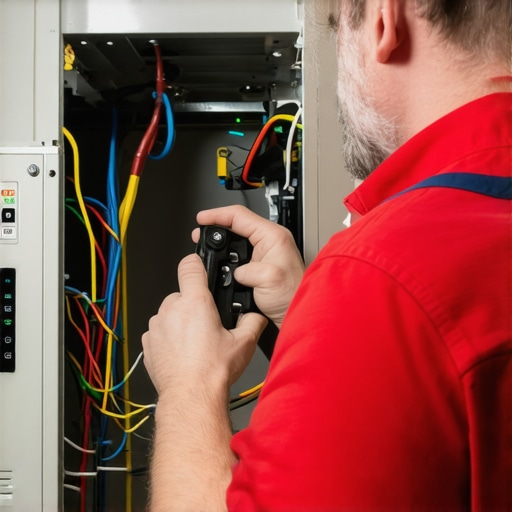
I remember the exact moment I realized how fragile customer trust can be when it comes to HVAC services. It was a freezing winter evening, and a client’s furnace suddenly stopped working. I had promised reliability, but I was scrambling to diagnose the issue, unsure if I could fix it in time. That experience hit me hard. It made me understand that in this industry, trust isn’t given — it’s earned, rebuilt, and maintained. If you’ve ever faced a situation where your HVAC system failed just when you needed it most, you know how unsettling it can be. But here’s the good news: you don’t have to accept ongoing doubts or recurring issues. Today, I’m going to share proven strategies to rebuild customer confidence through reliable repair and installation practices, so your clients feel secure and satisfied every step of the way.
Why Trust Is the Foundation of Successful HVAC Service
In my experience, the key to a thriving HVAC business isn’t just fixing systems — it’s creating lasting trust. Customers want to know that when they call you, their comfort is in safe hands. According to industry experts, a significant number of service calls stem from customers’ doubts about the reliability of repairs or installations. A study even suggests that up to 70% of homeowners switch providers after a poor experience (source: furnace repair myths debunked). That’s why building confidence is not just good customer service — it’s an essential part of business growth. When you consistently deliver trustworthy, transparent, and high-quality work, you turn one-time clients into lifelong advocates. But how do you achieve this in practice? That’s what I’ll explore next.
Are Reliable HVAC Repairs Actually Worth the Hype?
Early in my career, I made a classic mistake: rushing through repairs to save time, thinking that as long as the system worked, I’d done my job. Turns out, that approach backfired. Customers noticed the shortcuts, and my reputation took a hit. Since then, I’ve learned that reliable repair isn’t just about fixing the immediate problem — it’s about ensuring long-term performance and peace of mind. This involves thorough diagnostics, quality parts, and clear communication. If you’re skeptical about investing extra effort, consider this: a well-done repair can last years longer, reducing callbacks and complaints. Want to see how to avoid common pitfalls and set your service apart? Check out top HVAC repair strategies for insights that help you deliver lasting results.
So, if you’ve faced the frustration of repeat visits or dissatisfied customers, you’re not alone. The good news is, with the right approach, you can turn those experiences into testimonials of trust. Let’s dive into the practical steps that will help you rebuild confidence, one reliable service at a time.
Diagnose Thoroughly Before Touching the System
Recall a time I arrived at a job where the client’s heater was blowing cold air. Instead of rushing into repairs, I took a step back and performed a detailed diagnostic. Think of this as a doctor ordering tests before treatment—skipping this step can lead to temporary fixes that mask the real issue, causing repeat visits and eroding trust. Use reliable diagnostic tools, check all components systematically, and document your findings clearly. This upfront effort ensures you address the root cause rather than just the symptoms.
Use Quality Parts to Ensure Long-Term Performance
Once I replaced a faulty thermostat with a cheap generic model, and it failed within months. That experience taught me to prioritize quality parts, even if they cost a bit more upfront. Customers appreciate durable solutions. Invest in trusted brands, verify compatibility, and keep detailed records of parts used. This approach minimizes callbacks, saving you time and strengthening your reputation for dependable work.
Communicate Clearly and Honestly with Clients
During a complex furnace repair, I kept the homeowner informed at every step—explaining what I was doing and why. Think of this like a pilot giving updates during a flight; it builds confidence. Avoid jargon, be transparent about what’s needed, and set realistic expectations about repair timelines and outcomes. When clients feel involved and informed, they trust your expertise more.
Follow Up to Confirm Satisfaction
After completing a boiler repair, I didn’t just leave. I called the customer next day to ensure everything was working properly. This extra step is like a restaurant checking if you enjoyed your meal; it shows you care. Use follow-up calls or emails to verify the system’s performance and address any lingering concerns. This habit transforms a simple repair into a trust-building experience.
Document Every Step for Transparency
Keep detailed records of diagnostics, parts, and procedures. When I replaced a faulty compressor, I provided the homeowner with a report outlining what was done and why. Think of this as a receipt for your service—proof of your work and quality. Clear documentation reassures clients that the repair was thorough and professional, making future service easier and boosting confidence.
Implement Preventative Maintenance Tips
Encourage clients to adopt preventative practices, like regular filter changes and system inspections. For example, I shared tips from preventative HVAC repair tips, which helped reduce emergency calls. Educating clients empowers them to maintain their systems and trust your guidance, fostering longer-term relationships.
Stand Behind Your Work with Guarantees
Finally, offering warranties or guarantees reassures clients that you stand behind your repairs. I once provided a six-month guarantee on a new thermostat installation, which reassured the customer and led to positive reviews. This commitment to quality is like a promise—when you back it with action, customer confidence skyrockets.
Many homeowners and even some HVAC professionals fall prey to misconceptions that hinder effective repairs and damage trust in the long run. Let’s dig deeper into some of the most persistent myths about HVAC repair and installation, and uncover the nuances that can make or break your confidence in service quality.
Why Everyone Gets This Wrong About HVAC Repairs
A widespread misconception is that cheap parts and quick fixes are just as good as premium components and thorough work. This myth can lead to short-term savings but often results in recurring issues, callbacks, and eroded trust. Industry experts emphasize that investing in high-quality parts and taking the time to perform comprehensive diagnostics ensures long-term performance and customer satisfaction. You can learn more about this by reviewing furnace repair myths debunked. Skimping on quality might seem tempting, but it’s a false economy that costs you credibility.
Another common mistake is underestimating the importance of detailed diagnostics before proceeding with repairs. Rushing into fixes without thoroughly understanding the root cause often leads to repeat visits, which damages customer trust. This is similar to how a doctor orders tests before treatment—without proper diagnosis, you risk masking the problem temporarily instead of solving it definitively. Using reliable diagnostic tools and documenting your findings can prevent these pitfalls and showcase your professionalism.
Advanced Reader Question: How can I identify hidden issues that standard diagnostics might miss?
Great question. Advanced diagnostic techniques involve not only checking visible components but also analyzing system performance patterns and leveraging technology like infrared thermography or system logging tools. These methods can reveal hidden faults, such as airflow restrictions or early component failures, that basic checks might overlook. Incorporating such practices demonstrates expertise beyond the basics and builds trust with discerning clients. For more insights, check out expert tips for AC installation.
Finally, a significant trap is believing that repairs are a one-time fix. Systems are complex, and neglecting preventative maintenance or ignoring minor issues can lead to larger, more costly failures later. Educating clients about preventative tips, like regular filter changes, and backing your work with guarantees not only prolongs system life but also strengthens your reputation. For detailed strategies on this, see preventative HVAC repair tips.
By understanding these nuances and avoiding these common myths, you can elevate your service quality, rebuild trust, and turn satisfied clients into advocates. Remember, in HVAC, trust isn’t just built on fixing systems—it’s built on the confidence that you know what you’re doing, down to the tiniest detail. Have you ever fallen into this trap? Let me know in the comments.
Keeping It Running: The Power of Proper Maintenance and Tools
Ensuring your HVAC systems stay in peak condition requires more than just fixing problems when they arise. It’s about adopting a proactive approach with the right tools and methods that extend the lifespan of equipment and improve efficiency. Personally, I rely on a combination of high-quality diagnostic devices, software, and maintenance strategies that I’ve tested over years of hands-on experience. These tools don’t just help me identify issues faster—they also prevent minor problems from escalating into costly failures.
One essential piece of equipment I swear by is the digital manifold gauge set. Unlike traditional analog gauges, these provide real-time pressure readings with high accuracy, making diagnostics more precise. When paired with a thermal imaging camera, I can quickly spot airflow restrictions, insulation leaks, or faulty components that might not be visible to the naked eye. This combination speeds up troubleshooting and ensures I don’t overlook hidden issues, helping me build lasting trust with clients.
On the software side, I use HVAC diagnostic software that integrates with my diagnostic tools to log system data and generate comprehensive reports. This not only streamlines my workflow but also provides clients with clear documentation of the work done, which reinforces transparency and confidence. As technology advances, I predict more HVAC professionals will adopt AI-powered diagnostic tools that analyze patterns and predict failures before they happen, further reducing downtime and callbacks.
How do I maintain HVAC tools and software over time?
Maintenance of tools is crucial. Regular calibration of gauges, updating software firmware, and proper storage ensure accuracy and longevity. I schedule quarterly calibration checks for my diagnostic equipment and keep a detailed log of updates and maintenance activities. This disciplined approach minimizes errors and keeps my tools performing at their best, ultimately benefiting my customers by providing reliable service.
To get the most out of your tools, start by investing in quality equipment from reputable brands known for durability and accuracy. Then, establish a routine maintenance schedule—think of it like a health checkup for your gear. This simple habit can save you money in the long run and improve your reputation as a professional who delivers consistent, trustworthy results.
Looking ahead, I believe the future of HVAC maintenance lies in automation and smart diagnostics. Devices that can self-calibrate and software that learns from past issues will become standard. To stay ahead, I recommend trying out a thermal imaging camera or integrating diagnostic software into your workflow. These small but powerful upgrades can significantly boost your efficiency and customer confidence, making your service more reliable than ever before.
If you’re ready to elevate your maintenance game, start with a thermal imaging camera—it’s one of the most effective tools I’ve incorporated recently. Don’t forget to schedule regular calibration checks for your other diagnostic gear to maintain accuracy. Remember, the key to long-term system performance is consistent, proactive maintenance supported by the right tools. For more insights, explore this comprehensive guide and see how small upgrades can make a big difference in your service quality.
The Hardest Lesson I Learned About Building Trust in HVAC
Early in my career, I underestimated the importance of thorough diagnostics. Rushing repairs led to recurring issues and damaged my credibility. Now, I know that investing time in detailed diagnostics, like using infrared thermography, can uncover hidden faults and prevent callbacks, ultimately strengthening customer trust.
How Quality Parts Can Make or Break Your Reputation
I once replaced a thermostat with a generic model, and it failed within months. That experience taught me that customers value durability. Choosing trusted brands and verifying compatibility ensures long-lasting repairs and helps build a reputation for reliability.
The Power of Transparent Communication in HVAC Service
Explaining repair steps clearly and setting realistic expectations transforms clients into confident partners. During complex installations, regular updates and honest advice make clients feel involved and respected, boosting their trust in your expertise.
Follow-Up—The Secret to Customer Loyalty
A simple call the next day to confirm system performance shows you care. This extra effort can turn a one-time repair into a lifelong relationship, as clients appreciate your dedication beyond just fixing the system.
My Favorite Tools for Reliable HVAC Repairs
Investing in a digital manifold gauge set and thermal imaging camera has revolutionized my troubleshooting process. These tools help me identify issues quickly and accurately, ensuring I deliver trustworthy service that clients can rely on. Regular calibration and software updates keep my tools at peak performance, which directly benefits my customers.