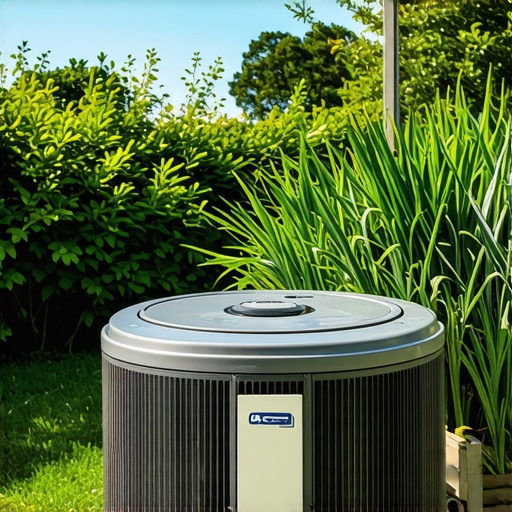
The Silence of the Backyard Oasis
There is a specific sound that a broken spa heater makes when it dies in the middle of a January cold snap, and that sound is absolutely nothing. You’re standing there in your robe, the steam is gone, and the water is the temperature of a lukewarm dishpan. After thirty years of crawling into crawlspaces that would make a rat claustrophobic, I can tell you that most folks panic and call the first ‘Sales Tech’ who shows up with a shiny truck and a $12,000 quote for a whole new system. But I’m here to tell you that thermodynamics doesn’t care about your sales quotas. My old mentor, a grizzly veteran who could smell a gas leak from three blocks away, used to scream at me, ‘You can’t heat what you can’t touch!’ He was talking about airflow and fluid dynamics. If the medium—be it air or water—isn’t moving across that heat exchanger, your BTU output is exactly zero.
The Forensic Diagnosis: Why Your 2026 Spa Heater is Fainting
Before we get into the nuts and bolts of contactor repair or the misery of a limit switch replacement, let’s talk about the physics of the 2026 backyard. We’ve moved into an era where high-efficiency is the law, but high-efficiency units are sensitive. They are the ‘thoroughbreds’ of the mechanical world—they run fast, but they break if you look at them wrong. In a cold climate like we deal with up North, a spa heater is fighting a constant battle against thermal bridging and latent heat loss. If you aren’t practicing top HVAC repair strategies to extend your systems life, you’re just burning money to heat the atmosphere.
“The most expensive equipment in the world cannot overcome a bad duct system.” – Industry Axiom
While that axiom usually refers to HVAC duct sealing in a home, the same logic applies to the plumbing and venting of your spa heater. If the static pressure testing shows your pump is struggling to push water or your blower isn’t moving air, the internal safety controls will shut the whole circus down to prevent a meltdown. Here are the five forensic steps to take before you let a ‘Sparky’ or a Sales Tech talk you into a replacement.
1. The Ghost in the Machine: Contactor Repair
When you call for heat from your remote thermostat access app, you should hear a satisfying ‘clack.’ That’s the contactor. It’s a heavy-duty relay that slams shut to send the high-voltage ‘juice’ to the heating elements or the compressor. Over time, those silver points inside the contactor pit and char. They start to look like the surface of the moon. Eventually, they weld shut or, worse, develop so much resistance that they melt the plastic housing. You’ll smell it before you see it—that sour, ozone-heavy stench of burning electrical components. If you’re lucky, a simple contactor repair or swap-out saves the day. If you’re unlucky, you’ve ignored it so long that the voltage drop has killed your expensive control board.
2. The Safety Gatekeeper: Limit Switch Replacement
If your heater starts for three minutes and then dies, you’re likely dealing with a limit switch issue. This little bimetal disc is the ‘brain’ that prevents the unit from becoming a backyard bomb. If the internal temperature exceeds the safety threshold because of poor HVAC duct sealing or a clogged heat exchanger, the switch pops open. In my experience, these switches don’t just fail; they ‘wear out’ from cycling too many times. I’ve seen homeowners try to bypass them with a jumper wire—don’t do that unless you want to see your spa featured on the 11 o’clock news. A limit switch replacement is cheap insurance against a catastrophic heat exchanger failure.
3. The Lungs of the System: Static Pressure Testing and Duct Sealing
You wouldn’t try to run a marathon while breathing through a cocktail straw, yet that’s what most people ask their HVAC systems to do. In 2026, we are seeing more ‘spa rooms’—indoor/outdoor hybrids that require hospital HVAC zoning technology to manage humidity. If your static pressure testing reveals a reading above 0.5 inches of water column, your blower motor is screaming in agony. This is where ‘Pookie’ (the trade name for that messy, grey mastic sealant) becomes your best friend. Proper HVAC duct sealing ensures that every BTU you pay for actually reaches the room instead of leaking into the joist spaces. For these high-performance setups, HVAC load calculation services are mandatory to ensure the unit isn’t short-cycling, which kills compressors faster than a lightning strike.
4. Thermodynamic Zooming: The Heat Recovery Ventilator (HRV)
In a cold climate, the biggest enemy of your indoor spa is moisture. If you don’t have heat recovery ventilators (HRVs) or a proper humidifier installation for the dry winter air, you’re creating a mold factory. An HRV is a beautiful piece of engineering. It takes the warm, nasty, moisture-laden air from your spa room and uses it to pre-heat the fresh, freezing air coming in from outside. You get the oxygen without the 20-degree chill. It’s about managing the latent heat—the energy hidden in the water vapor. Without this, your spa heater has to work twice as hard to maintain the sensible heat (the temperature you actually feel on your skin).
“Standard 62.1-2022 provides the minimum ventilation rates and other measures intended to provide indoor air quality that is acceptable to human occupants.” – ASHRAE Standards
5. The 2026 Trap: Remote Access and Load Calculations
We’ve all got remote thermostat access now, but that digital convenience can hide mechanical sins. I followed a tech last month who told a client they needed a $15,000 system because the ‘cloud wouldn’t sync.’ Turns out, the limit switch replacement was all she needed, but the tech didn’t even know how to use a multimeter. He was a ‘parts changer.’ True HVAC repair involves looking at the HVAC load calculation services to see if the system was ever sized right to begin with. If the unit is too big, it cools or heats too fast, never removing the humidity, leaving you in a ‘cold swamp’ environment. You need to know how to identify when furnace repair is urgent and why, especially when dealing with the high-stakes environment of an enclosed spa.
When to Pull the Plug: The 50% Rule
I tell my clients the same thing every time: if the repair cost is more than 50% of the value of the unit, and the unit is over ten years old, it’s time to talk to the ‘Tin Knockers’ about a new install. But don’t just buy the cheapest unit on the lot. With the move to A2L refrigerants and higher SEER2 requirements, you need to be smart. Check out this blueprint for cooler summers and warmer winters to understand how the new 2026 regulations affect your backyard comfort. Comfort isn’t magic; it’s physics. And physics doesn’t take the Fourth of July off.