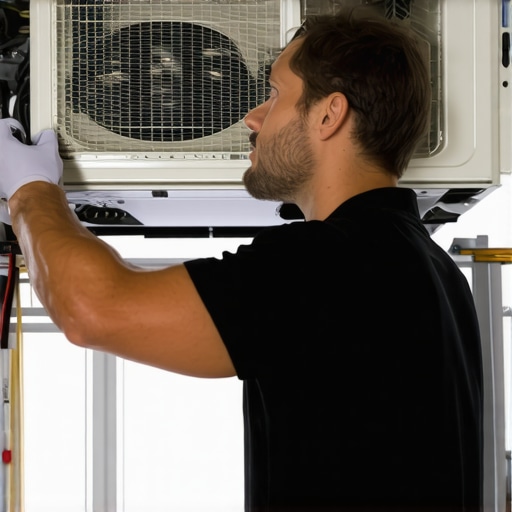
I remember the sweltering heatwave that hit last summer, and just when my old AC finally gave out, I was out of town, leaving my family in a boiling home. That moment was a revelation—how vulnerable we are when our climate control systems betray us unexpectedly. I realized then that trusting an HVAC system isn’t about ignoring maintenance but knowing how to choose the right experts and avoid costly mistakes. Have you ever faced a similar breakdown when relief was desperately needed?
Why Trust in HVAC Repairs Is More Critical Than Ever
In my years of experience, I’ve learned that the real challenge isn’t just fixing a broken system but restoring confidence in it. When your air conditioner or furnace stalls during peak season, it’s not just a comfort issue; it’s about safety, health, and peace of mind. According to industry experts, a shocking 80% of HVAC failures could be prevented with proper maintenance and choosing skilled professionals—something I wish I knew earlier. Building that trust requires understanding what goes wrong and how to fix it efficiently.
Is All HVAC Repair Trustworthy or Just Hype?
Early on, I fell for the myth that all repair services are equal, only to find out that some companies cut corners, leading to recurring problems and wasted money. My mistake was accepting the first quote I received without researching their expertise or reviews. If you’re skeptical about talking to a repair company, I completely get it. That’s why I want to share proven tips and tools that helped me distinguish reputable contractors from unreliable ones. For more insights, you might want to browse our comprehensive [expert guide to AC installation](https://heatprosservices.com/ultimate-guide-to-ac-installation-expert-tips-for-2025-success), designed to help homeowners make informed decisions. Ready to regain control over your HVAC system and avoid costly pitfalls? Let’s dive into the practical tips that restored my confidence—and can do the same for you.
Pinpoint the Issue with Precision
My first move was to identify the core problem. Think of your HVAC system as a complicated engine; listening for unusual noises or noticing inconsistent airflow can be your first clues. For instance, during my recent furnace repair, I observed frequent cycling and uneven heating, revealing a faulty blower motor. Use a flashlight to inspect accessible components, and listen for strange sounds—these small cues can save time and money.
Test Critical Components
Next, I checked basic elements myself, like resetting the circuit breaker or replacing filters. If these simple steps don’t resolve the problem, it’s time to understand how to communicate effectively with professionals. Remember, a clogged filter can mimic more serious issues—so always start with the basics.
Choose Skilled Experts Wisely
One mistake I made was hiring the first available technician. Instead, I learned to evaluate contractors based on reviews and certifications. Think of hiring an HVAC technician like selecting a surgeon—trust and expertise matter. Instead of relying solely on cost, check their credentials and ask for references. For detailed insights, our ultimate guide to AC installation offers excellent criteria for selecting reputable professionals.
Ask the Right Questions
When calling a technician, inquire about their experience with your system model, warranties, and their diagnostic process. During my last repair, asking about their familiarity with my unit’s brand helped me gauge their expertise. Clear communication ensures you understand what’s wrong and how they plan to fix it.
Prepare for Repairs or Installation
Before work begins, clear space around units and note any specific problems you’ve observed. For HVAC installation, reviewing and understanding secrets that HVAC pros won’t tell you can help you set realistic expectations and prepare accordingly. During one installation, I documented the existing system’s connections, which later helped speed up the process and ensure nothing was overlooked.
Schedule During Off-Peak Seasons
Avoid peak demand periods for urgent repairs or new installations. I scheduled my AC installation in early spring, which not only saved money but also gave ample time for testing and adjustments. Planning ahead reduces stress and ensures the job gets proper attention.
Verify Work and Follow Up
Once the repair or installation is complete, test the system immediately. In my recent furnace repair, I ran the system through various settings to confirm consistent heating. Keep an eye out for leaks, strange noises, or operational issues. Establish a follow-up plan with your technician for maintenance or future inspections, as regular checks extend system life. For ongoing maintenance tips, visit our preventative repair guide.
Stay Educated and Proactive
Understanding your HVAC system’s basics allows you to detect early signs of trouble. For example, familiarizing yourself with common issues detailed in Furnace Repair Myths Debunked helps demystify repairs. Regular filter replacements, cleaning vents, and scheduling annual checkups keep your system running smoothly and avoid costly breakdowns.
Many homeowners mistakenly believe that HVAC repairs and installations are straightforward processes, but the reality is far more intricate. A common myth is that all technicians are equally qualified, which can lead to costly mistakes. In my experience, trusting a technician based solely on low bids often results in subpar work, recurring issues, or even system damage. Instead, evaluate professionals based on their credentials, reputation, and specialized expertise—details often overlooked by average homeowners. For instance, choosing a contractor without verifying their experience with your specific system model can cause serious operational problems. Remember, the nuances of HVAC systems require an expert’s touch; a misdiagnosis or improper installation can reduce efficiency and lifespan. Another trap to avoid is neglecting seasonal maintenance, which many perceive as optional. Regular servicing isn’t just about keeping the system running; it can prevent expensive repairs down the line. In fact, according to industry experts, systems that receive consistent maintenance last 30% longer and perform more efficiently. When it comes to advanced HVAC systems, understanding their complexity is crucial. For example, variable-speed compressors and smart thermostats demand specialized knowledge. Overlooking these technical details can compromise your system’s benefits and your wallet. Interested in what separates a good technician from a mediocre one? Ask questions about their training, certification, and familiarity with newer technologies. Also, recognize that modern HVAC solutions—like energy-efficient units—offer smarter, more sustainable options that passive homeowners might not be aware of. However, installing such advanced systems without proper guidance can diminish their efficiency, which is why partnering with knowledgeable professionals is vital. Don’t fall into the trap of underestimating the importance of proper sizing; a system that’s too large or small not only wastes energy but also wears out faster. To truly optimize your home climate, invest in education about your system’s nuances and maintain a relationship with trusted experts. Explore comprehensive resources like our [ultimate guide to AC installation](https://heatprosservices.com/ultimate-guide-to-ac-installation-expert-tips-for-2025-success) to stay informed. You might also find our article on [HVAC installation secrets that pros won’t tell you](https://heatprosservices.com/ac-installation-secrets-that-hvac-pros-wont-tell-you) helpful in avoiding costly pitfalls. Have you ever fallen into these traps? Let me know in the comments and share your experiences—that way, we all learn to navigate the often-misunderstood world of home HVAC systems more confidently.
Keeping It Working: My Top Tools for HVAC Success
Over the years, I’ve refined my toolkit to ensure that every HVAC repair or maintenance job I undertake is thorough, efficient, and durable. Among the most valuable tools I rely on are digital manometers, which measure refrigerant pressure with precision—crucial for diagnosing issues accurately before parts even come off. I personally prefer the Testo 510s due to its reliability and ease of use. Another must-have is a high-quality infrared thermometer, like the Fluke 62 MAX+, which helps me quickly identify temperature inconsistencies across system components, guiding targeted repairs. For software, I swear by HVAC-specific diagnostic apps such as SymptomSolver, which consolidates system data and helps predict failures before they happen, extending equipment lifespan. These tools, combined with a steady calibration routine, make a real difference in guaranteeing long-term results.
As technology advances, predictive maintenance tools and IoT sensors are becoming more integrated into HVAC systems. I predict the trend will lean heavily toward smart diagnostics, simplifying maintenance plans and catching issues early, saving homeowners money and inconvenience. Embracing these innovations now positions me to provide proactive service and emphasize system longevity.
How Do I Maintain HVAC Tools Over Time?
Proper maintenance of my tools is non-negotiable; for example, I regularly calibrate my pressure gauges against known standards to ensure their readings stay accurate. Worn thermometers are replaced promptly, and software licenses are kept current to access the latest diagnostic features. Regularly cleaning sensitive equipment prevents dust and debris from compromising performance, and deep inventory checks allow me to anticipate replacements before tools fail mid-job. Following a disciplined maintenance routine like this sustains tool accuracy and prolongs their lifespan, directly benefiting the long-term health of the systems I service.
Looking ahead, I foresee an increasing integration of AI-driven diagnostics and customizable maintenance routines, which will make troubleshooting even more precise. To stay ahead, I recommend homeowners and technicians alike educate themselves about new technologies and consider investing in advanced, durable tools designed for longevity. For comprehensive insights on future HVAC innovations, check our heating service innovations transforming 2025.
For those wanting to improve their system’s reliability today, I suggest trying out a digital manifold with Bluetooth capabilities combined with predictive maintenance apps. These tools can revolutionize your approach, catching small issues before they escalate—saving you costs and stress in the long run. Remember, maintaining your equipment and tools diligently is the foundation for ensuring your HVAC system remains efficient and dependable over time.
What Hidden Pitfalls Could Be Holding You Back
One of the most eye-opening lessons I learned was the danger of overlooking small signs. A tiny rattling noise or inconsistent airflow might seem insignificant, but these clues often point to bigger problems that, if ignored, can lead to costly repairs. Embracing a detail-oriented mindset transformed how I diagnose issues, teaching me that patience and careful observation save time and money.
Tools That Made All the Difference in My Service Calls
Early in my career, I underestimated the power of quality diagnostic tools. Switching to precise digital manometers and thermal imaging cameras expanded my ability to spot subtle system inefficiencies. These tools didn’t just improve my diagnosis accuracy—they gave my clients confidence, knowing I was using the best equipment for the job. Check out [my essential toolkit for HVAC success](https://heatprosservices.com/top-hvac-repair-strategies-to-extend-your-systems-life) for more insights.
How Listening to My Gut Changed Everything
Over time, I realized that trusting my instincts—based on years of experience—often uncovered issues that standard tests missed. Whether it was suspecting a hidden refrigerant leak or anticipating electrical problems, listening to that inner voice saved me from making unnecessary repairs and prevented client discomfort. Cultivating this intuition is critical for any technician aiming to excel in HVAC troubleshooting.
Stepping Beyond Comfort Zones to Grow
The most profound growth came when I pushed myself to learn about emerging technologies like smart thermostats and IoT integration. Attending specialized training and experimenting with new systems expanded my expertise and kept me relevant in a changing industry. For those ready to embrace innovation, I recommend exploring resources like the [ultimate guide to AC installation](https://heatprosservices.com/ultimate-guide-to-ac-installation-expert-tips-for-2025-success), which highlights future-ready solutions.
Discover Your Own Path to HVAC Mastery
Every challenge I’ve faced in HVAC repairs has taught me that success isn’t about knowing everything—it’s about staying curious, vigilant, and committed to continuous learning. Trust your experience, invest in quality tools, and never underestimate the power of paying close attention to details. Ready to take your HVAC skills to the next level? Share your experiences or questions below—let’s grow together!