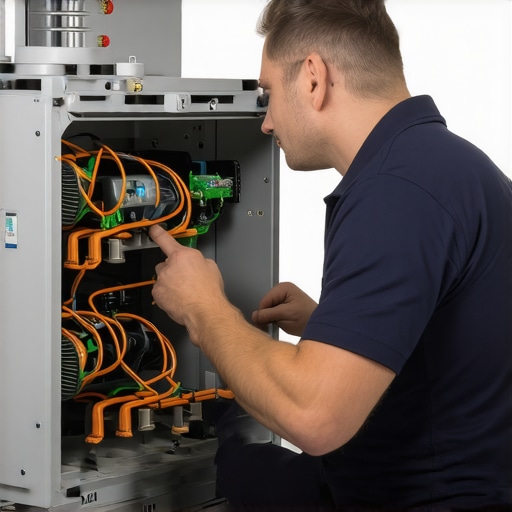
It was one freezing night when my old furnace finally gave out—no warning, just a sudden, silent halt that left my home shivering and me scrambling for answers. I remember standing there, hands trembling, realizing I’d overlooked the warning signs too many times, thinking I could patch up the problem myself. That moment was a lightbulb for me: trusting the wrong heating service can turn a manageable issue into a costly nightmare.
Why Reliable Heating Matters More Than Ever
Having experienced the frustration firsthand, I understand how vital a functioning heating system is—especially when the temperature drops suddenly. It’s not just about comfort; it’s about safety and peace of mind. But here’s the thing: not all heating services are created equal. Early on, I made the mistake of hiring a contractor based solely on a low price, only to find their work was patchy at best, and costly at worst. That misstep taught me an invaluable lesson: investing in quality and trust pays off in the long run. For homeowners like us, it’s essential to know when to repair, when to replace, and how to choose a dependable service.
According to industry experts, 80% of furnace failures are preventable with proper maintenance and timely repairs. Ignoring small issues can lead to emergency breakdowns, skyrocketing energy bills, and even safety hazards. Want to avoid those costly problems? Good news! I’ll walk you through how to identify urgent repairs and select trustworthy professionals.
Is Furnace Repair Actually Worth the Hype?
This was my biggest worry initially—spent too much money on repairs that only delayed the inevitable. But I learned that with the right knowledge, you can make smarter choices that save money and extend the lifespan of your system. Curious about how to tell if your furnace needs urgent attention? Or maybe you’re wondering which signs are telltale hints of bigger problems? I’ve got you covered.
If you’re nodding along, thinking, “Yes, I’ve been there,” then you’re in the right place. Together, we’ll uncover the secrets to lasting trust in your heating system, starting from understanding when repair becomes an emergency. Ready to breathe warmth back into your home confidently? Let’s dive into the practical steps you need to take today.
How to Assess Your Furnace Before Calling a Pro
Start by checking your thermostat settings—set it to a higher temperature to see if the system responds. Listen for strange noises or unusual smells, which can indicate underlying issues. Observe if the furnace turns on and off frequently, a sign of potential inefficiency. During my own experience, I sufficed to flip the breaker and reset the system, which temporarily fixed an issue, but a deeper diagnosis was essential.
Identify Urgent Repairs
Visit this guide to learn key signs of urgent repairs—like no heat delivery or constant cycling. Remember, ignoring these symptoms can escalate costs or safety hazards. For instance, I once ignored a sporadic pilot light, which eventually led to a full flame failure—an experience that underscored the need for immediate action.
Timely Maintenance Can Save Big
Implement preventative measures like changing filters regularly, ideally every 1-3 months. Dust buildup forces the furnace to work harder, increasing energy bills and wear. I keep a calendar reminder for filter replacement, which noticeably improved my system’s efficiency. Additionally, scheduling annual inspections can preempt major breakdowns. Check these tips for a comprehensive approach.
Choosing the Right Professionals
When repairs become complex, selecting a trustworthy service provider is critical. Look for certifications, reviews, and transparent quotes. Avoid companies that promote low-priced fixes without credentials—quality work pays off in the long run. My first hire was a disappointment, costing me more due to shoddy repairs. Now, I consult the [Trusted HVAC Repair & Installation Guide](https://heatprosservices.com/trusted-hvac-repair-installation-guide-for-lasting-comfort-trust) to find reliable experts.
Execute Repairs Effectively
Once you’ve identified the problem, ask your technician about specific fixes—be wary of vague explanations. Ensure they use quality replacement parts, which often last longer. In my case, I requested a full heat exchanger inspection and replacement, which restored system efficiency and peace of mind. Keep documentation of repairs for future reference. For DIY enthusiasts, [furnace repair hacks](https://heatprosservices.com/heating-service-hacks-for-comfort-and-savings-in-2025) can guide smaller tasks, but always know when to call professionals. Proper execution of repairs prolongs your system’s life and saves money. Regular checkups, timely interventions, and choosing expert service are the trifecta for reliable heating. Use these steps as an action plan to take control of your home’s warmth.Many homeowners assume that all heating services, furnace repairs, and HVAC solutions are pretty much alike, but that’s a dangerous myth. In reality, the biggest mistake I see is thinking that a quick fix or a low-price offer guarantees long-term reliability. This kind of thinking often leads to larger problems, like recurrent breakdowns or inefficient operation. For example, some believe that as long as the heater turns on, it’s functioning properly, but ignoring subtle signs—such as uneven heating or strange noises—can cause serious system damage over time, as highlighted in industry reports.
How Do You Tell if Your HVAC Service Is Truly Expert?
It’s common to look for quick fixes or low-cost bids, but true expertise involves a comprehensive assessment and tailored solutions. Skipping this step might save money upfront but eventually costs more in repairs or energy bills. Overlooking the importance of certified technicians or proper diagnostics can lead to even worse issues, like ignoring a worn-out heat exchanger, which can become a safety hazard. To avoid this, always verify credentials and trust experienced professionals who adhere to standards—sometimes, sacrificing quality for a cheaper price can be a costly mistake. Want to see how to identify the signs of urgent repairs? Check out this guide.
Another common misconception involves DIY repairs. While small tasks like filter changes are manageable, trying to fix major components without proper training can cause more harm than good. An incorrect repair not only risks safety but can also invalidate warranties, ultimately costing you more. It’s a trap to think that all repair hacks are safe—trust me, sometimes a professional approach makes all the difference for system longevity.
Is Bigger Always Better When Upgrading Your AC?
Many insist that buying the largest capacity unit guarantees the best comfort, but this isn’t true. Oversized systems cycle on and off frequently, reducing efficiency and increasing wear—a costly flaw. Proper sizing requires precise calculations and understanding of your home’s unique needs. According to HVAC experts, incorrect sizing can result in higher energy bills and poor humidity control, making your investment less effective over time. For insights into selecting the right size and technology, I recommend reviewing these insider tips.
To wrap up, it’s essential to look beyond surface-level fixes and myths. Invest time in understanding your system, recognizing the signs of urgent issues, and choosing certified professionals. By doing so, you’ll prevent common pitfalls and ensure your home stays warm and safe. Have you ever fallen into this trap? Let me know in the comments! This awareness is the first step toward restoring confidence in your heating and cooling solutions.Maintaining your furnace or HVAC system over the long term requires precision, reliable tools, and a strategic approach. From diagnostic devices to software, I rely on several specific resources to ensure optimal performance and early problem detection. One staple in my toolkit is the Digital Manometer, which measures static pressure accurately—crucial for balancing airflow and preventing inefficiencies. I personally prefer the “Testo 510s”, thanks to its quick readings and durability, allowing me to pinpoint duct leaks or airflow issues swiftly. Additionally, I utilize infrared thermometers like the Fluke 62 MAX for quick surface temperature checks, helping me verify proper heat exchanger operation and detect hot spots that signal potential failures.
For system diagnostics, I trust the ‘HVAC Load Calculator’ software—specifically, the “Cool Calc” app—to perform accurate load calculations and size new units correctly. This helps prevent issues like oversized ACs, which cycle excessively and wear out faster. I also recommend digital inspection cameras, such as the “Depstech Wi-Fi Endoscope,” for visual inspection of inaccessible system components like heat exchangers and drain pans without dismantling everything. This reduces appointment times and enhances diagnostic accuracy.
Regularly updating my knowledge is equally important. I subscribe to industry journals like ‘HPAC Engineering,’ which provide insights into evolving tools and methods. Keeping abreast of technological advances ensures I can adopt innovative strategies before they become mainstream.
Looking ahead, the trend is shifting toward integrating these tools into smart diagnostics. Systems are increasingly connected through IoT sensors, enabling real-time performance monitoring and predictive maintenance. Investing in training for these technologies now will pay dividends by extending your system’s lifespan and reducing costly repairs.
How do I maintain my HVAC systems effectively over time
Regular calibration of diagnostic instruments is essential—incorrect readings lead to misdiagnosis. Implementing a routine check with your tools, combined with scheduled professional inspections, ensures issues are caught early. For homeowners, learning to interpret basic readings like airflow and temperature differentials can empower you to avoid emergency repairs. Remember, trusting precise tools, like the “Testo 510s” for pressure measurements or the “Fluke 62 MAX” for temperature checks, saves both time and money. For deeper insights, review our guide on preventative maintenance tips. Don’t wait for a breakdown—regularly utilizing these tools can keep your system running smoothly for years to come. Want to future-proof your system? Explore integrating IoT sensors for continuous monitoring and predictive diagnostics, which are becoming the standard in HVAC maintenance—see industry insights at this resource. Try implementing a monthly pressure check with your manometer today—it’s a simple step that can prevent major issues tomorrow.Throughout my years of working with heating systems, I’ve uncovered some hidden truths and personal lessons that transformed my approach—lessons I wish I had known from the start. One key insight is that not all repair companies are equal; some cut corners that lead to recurring issues, while others invest in quality that withstands time and use. I learned to trust certifications and customer feedback over flashy ads, which saved me from costly mistakes. Additionally, I realized that proactive maintenance, like timely filter changes and professional checkups, can extend system lifespan exponentially, turning a potential disaster into a manageable maintenance task. Finally, I discovered that understanding your home’s unique heating needs—rather than defaulting to off-the-shelf solutions—can make all the difference in comfort and efficiency. These personal experiences have shaped my advice: educate yourself, choose trusted professionals, and prioritize proactive care to keep your home reliably warm and safe.
http://Emily%20Carter
This article resonated with me because I had a similar experience last winter when my furnace suddenly stopped working during a cold snap. It was a wake-up call about the importance of regular maintenance and trusting certified professionals rather than choosing the cheapest option, which often leads to issues down the line. I appreciate the detailed tips on how to assess your system before calling in experts—simple steps like checking for strange noises or smells can prevent costly emergencies. I’ve also started scheduling annual inspections and changing filters proactively, which has noticeably improved my system’s efficiency. It makes me wonder, how often do others here perform maintenance checks? Do you have any go-to tools or routines that help you stay ahead of potential problems? With climate change causing more unpredictable weather, I believe investing in reliable heating equipment and maintenance is more crucial than ever for both safety and comfort.