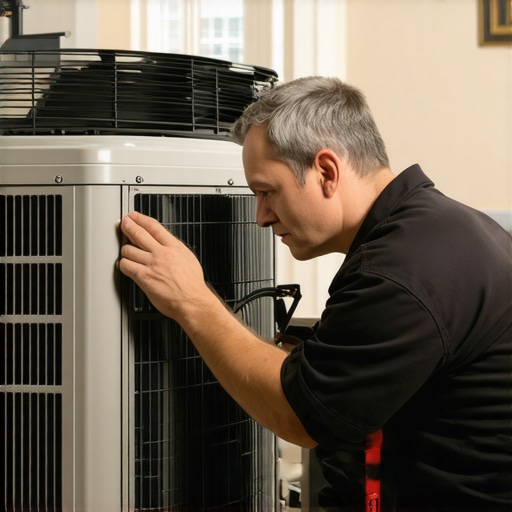
Ever been in the middle of a scorching summer day, only to realize your air conditioning system has decided to give up? I’ve been there, sweating through the frustration of a broken AC, feeling helpless and unsure of where to turn. It’s a moment that sneaks up on you — one minute your home is cool, and the next, it’s stuffy, miserable, and desperate for relief.
Why Fixing Your HVAC System Matters More Than Ever
In today’s world, where comfort is a top priority, a reliable HVAC system isn’t just a luxury; it’s a necessity. When your system fails, it affects your health, your productivity, and your overall well-being. Did you know that poor indoor air quality and inconsistent temperatures can even lead to health issues? According to the Environmental Protection Agency, indoor air can be more polluted than outdoor air, making regular HVAC maintenance and smart repairs essential for a safe, comfortable home.
If you’re like me, you’ve probably made the mistake early on of ignoring small issues — a strange noise, uneven cooling, or a sudden spike in energy bills. That’s often a sign that trouble is brewing, but I used to brush it off, thinking I could handle it later. Spoiler: later often meant a bigger, more expensive problem.
Today, I want to share the proven tips I’ve learned from years of experience and a few expert consultations. These aren’t just quick fixes — they’re strategies that restore trust in your HVAC system and help you avoid the dreaded breakdowns that leave you sweating or shivering at the worst possible moment. Ready to regain control of your home’s comfort? Let’s get started.
How To Keep Your HVAC Running Smoothly
Before diving into repairs or replacements, it’s smart to understand what makes your system tick and how to keep it healthy. Whether it’s regular maintenance, quick troubleshooting, or knowing when to call in the pros, the right knowledge can save you thousands in the long run. Want a sneak peek into some insider secrets? Check out these HVAC installation secrets that pros keep to themselves.
Now, let’s explore the common pitfalls and simple solutions that can help you extend the life of your system while maintaining confidence in its performance. Trust me, a little prevention goes a long way, and the peace of mind it brings is priceless. Are you ready to take control and ditch the guesswork? Keep reading, because the best tips are just ahead.
Is It Worth Investing in Professional HVAC Repairs?
When I first started tinkering with my HVAC, I made the mistake of trying to fix everything myself. Sure, some small issues are manageable, but I learned the hard way that skipping expert advice can lead to bigger problems. Professionals have the experience, tools, and knowledge to diagnose and fix issues correctly the first time, saving you time and money. For real peace of mind, it’s worth trusting the experts. Curious about how to choose the right repair services? I recommend starting with this guide on selecting the right HVAC fixes.
Test Your System Regularly to Catch Issues Early
One of the easiest ways to prevent major breakdowns is to schedule monthly checks when your system is running smoothly. For example, I once noticed my AC wasn’t cooling as effectively during a routine inspection. I cleaned the filters, checked for leaks, and realized a clogged drain line was causing minor issues. Addressing this early saved me from a costly repair later. Regular testing helps identify problems before they escalate, keeping your system reliable and boosting your confidence in its performance.
Clean or Replace Filters for Better Airflow
Dirty filters are the leading cause of HVAC inefficiency. I remember the first summer after moving into my home when I ignored filter maintenance; my energy bills skyrocketed, and the system struggled to cool the house. After replacing the filters, airflow improved dramatically, and my system ran smoother. Think of filters like the lungs of your HVAC; keeping them clean ensures the system breathes easily, enhancing efficiency and comfort.
Inspect Thermostat Settings and Calibrate if Needed
Sometimes, the problem isn’t with the system but with the thermostat. I once set my thermostat incorrectly, causing inconsistent temperatures. After recalibrating it, my home maintained a steady, comfortable climate. Make it a habit to regularly check your thermostat’s accuracy and update the settings to match your preferences. A well-calibrated thermostat is like a good conductor for your HVAC orchestra, ensuring everything works harmoniously.
Check and Seal Ducts for Improved Efficiency
Leaky ducts can drain your system’s efficiency by up to 30%. I once noticed uneven cooling, which I traced back to disconnected ducts behind the walls. Sealing these with foil tape or mastic significantly improved airflow and reduced energy costs. Consider this step as fixing the leaks in your home’s plumbing; it prevents wasted energy and ensures every part of your house gets the comfort it deserves.
Maintain Proper Indoor Air Quality
Indoor air quality directly impacts your comfort and health. During a home visit, I installed a UV air purifier, which reduced dust and allergens. Regularly cleaning vents and using air purifiers can dramatically improve indoor air, making your system’s job easier and your environment healthier. Think of air quality as the breath of your home; keeping it clean sustains the system’s longevity and your well-being.
Schedule Professional Maintenance Annually
While DIY checks are helpful, annual professional inspections are crucial. I booked a service with experts who performed deep cleaning, checked refrigerant levels, and inspected electrical components. Their expertise uncovered potential issues I would have missed, saving me from emergency repairs. Professional maintenance is like a health check-up for your HVAC—preventative and vital for long-term confidence and comfort.
By integrating these practical steps into your routine, you can extend your HVAC system’s lifespan, save money, and maintain a cozy home environment. Remember, proactive care and timely repairs transform your system from a source of worry into a trusted ally in your daily comfort. For more expert tips and tailored solutions, don’t hesitate to contact professionals through this contact form. Staying vigilant and informed is your best strategy for HVAC success.
Many homeowners operate under misconceptions about HVAC systems that can lead to unnecessary expenses or even system failures. Let’s dig deeper into some of the most persistent myths and reveal the hidden nuances that can save you money and improve your system’s longevity.
Myth: More Power Means Better Performance
It’s tempting to think that buying a larger or more powerful HVAC unit will cool or heat your home faster. But in reality, oversized systems tend to cycle on and off more frequently, leading to increased wear and tear and higher energy bills. Proper sizing, based on a detailed load calculation, ensures optimal efficiency and comfort. Professionals use tools like Manual J calculations to determine the right size for your space, which is a step often overlooked by DIY enthusiasts. For insight on choosing the right capacity, check out this guide.
Myth: Closing Vents Saves Energy
Some believe that closing vents in unused rooms reduces energy consumption. However, this practice can disrupt airflow and pressure balance, causing your system to work harder and potentially leading to leaks or damage. Instead, focus on sealing leaks in ducts and maintaining a balanced airflow. This nuance is critical—closing vents can do more harm than good, especially when combined with poor duct sealing practices. For strategies on ductwork, visit this resource.
Myth: Thermostats Are Always Accurate
Many assume their thermostats are perfectly calibrated. In reality, thermostats can drift out of calibration over time, leading to inconsistent temperatures and higher energy bills. Advanced models with smart calibration features can help, but regular manual checks and recalibration are essential. An inaccurate thermostat can make your system run longer than necessary, wasting energy and increasing wear. Consider testing your thermostat’s accuracy periodically and replacing old models with smart thermostats for better control. For tips, see this article.
Can Advanced Thermostats Really Save You Money?
Yes, but only if they are correctly installed and calibrated. Smart thermostats learn your schedule and adjust settings accordingly, which can lead to significant savings. However, improper setup or neglecting regular updates can negate these benefits. The key is understanding the nuances of programming and calibration—something many overlook. For expert insights, explore this post.
Have you ever fallen into this trap? Let me know in the comments. Recognizing these hidden nuances can transform your approach to HVAC maintenance, saving you money and extending your system’s life. Remember, a little knowledge goes a long way in avoiding costly mistakes and ensuring your home stays comfortable year-round.
How do I keep my HVAC system running smoothly over time?
Maintaining your HVAC system isn’t just about quick fixes; it requires the right tools, consistent habits, and a bit of strategic planning. Over the years, I’ve found that investing in quality equipment and establishing a routine can significantly extend your system’s lifespan and performance. One of my go-to tools is a digital multimeter. I use it to check electrical components and ensure everything is operating within manufacturer specifications. This simple device helps me catch electrical issues early before they escalate into costly repairs.
Another essential is a high-quality vacuum and coil cleaner. Keeping your evaporator and condenser coils clean is crucial for efficient operation. I prefer a coil cleaning kit that includes a foam cleaner and a gentle brush—it’s effective yet gentle enough not to damage delicate fins. Regular coil maintenance prevents overheating and reduces energy consumption, saving you money over time.
When it comes to software, I recommend a reliable HVAC maintenance app like ‘Home Maintenance Schedule.’ I use it to set reminders for filter replacements, system inspections, and professional service appointments. Staying organized ensures nothing slips through the cracks, which is vital for long-term system health. Additionally, some apps offer troubleshooting guides, which can help you identify minor issues before they become emergencies.
Beyond tools, I also advocate for investing in a good infrared thermometer. This device helps me monitor temperature differentials across components, ensuring proper airflow and refrigerant levels. By regularly checking these parameters, I can spot inefficiencies early and prevent system failures.
Looking ahead, I predict that smart diagnostic tools integrated with IoT technology will become standard. These tools will continuously monitor system health, alerting homeowners of potential problems via smartphone notifications. This proactive approach will make HVAC maintenance more accessible and less stressful.
To keep your system in top shape, start by scheduling annual professional inspections. But between visits, use your tools diligently—clean filters, check electrical connections, monitor temperatures—and leverage maintenance apps to stay on track. I highly recommend trying out a digital multimeter and coil cleaner today; these small investments can save you a lot of money and hassle over time. For comprehensive guidance, visit this resource to learn more about extending your HVAC system’s lifespan.
The Hardest Lesson I Learned About HVAC Maintenance
One of my most valuable lessons was realizing that neglecting small issues early on can lead to costly repairs down the line. I ignored a minor refrigerant leak for too long, only to face a complete system overhaul later. Now, I understand that proactive attention saves money and stress.
3 Myths About HVAC Systems That Held Me Back
Believing that oversized units are more efficient, or that closing vents in unused rooms reduces energy bills, almost cost me dearly. Debunking these myths with professional advice transformed my approach to home comfort and efficiency.
What Experts Won’t Tell You About HVAC Longevity
Regular professional inspections and high-quality filters are the unsung heroes of a durable HVAC system. I learned that investing in these simple steps dramatically extends the lifespan of your equipment and keeps your home comfortable year-round.
My Essential Toolkit for HVAC Maintenance
Tools like a digital multimeter, coil cleaner, and an infrared thermometer became my allies in diagnosing and maintaining my system. These investments are affordable and empower you to catch issues early, saving money and avoiding inconvenience.
Where to Go from Here
Start by scheduling an annual professional check-up and incorporate regular DIY inspections. Explore trusted resources and stay informed about best practices for HVAC health. Remember, your comfort and savings depend on proactive care—so take action today!
http://Jessica%20Turner
This post offers some really practical and insightful tips for maintaining HVAC systems, especially the emphasis on regular inspections and filter replacements. I completely agree that small issues often snowball into major problems if not caught early. I’ve learned through my own experience that duct sealing can significantly improve efficiency—it’s amazing how much energy can be saved by fixing leaks behind the walls. One thing I’d add is the importance of having a good HVAC maintenance checklist to stay organized. Do others here find scheduling professional check-ups annually enough, or should homeowners perform more frequent DIY checks between visits? It seems like proactive maintenance not only extends the lifespan but also provides peace of mind. I’d love to hear more about how others balance DIY upkeep with professional service to keep their systems running smoothly year-round.
http://Eric%20Johnson
This post really hits home for me, especially the part about regular testing and the importance of professional maintenance. I’ve found that even with routine DIY checks, scheduling an annual professional inspection can uncover those sneaky issues that might not be obvious—like refrigerant leaks or electrical problems. Having a checklist definitely helps stay organized, but I’ve also started using a smart home app that reminds me when to replace filters or schedule tune-ups, which has made maintenance more manageable. I’m curious, how many homeowners here feel that more frequent inspections, maybe bi-annual, are worth the extra effort and cost? I’ve noticed larger energy savings when I stay proactive, but I’d love to hear some real-world experiences. Also, with the rise of smart thermostats and diagnostic tools, I wonder how these advancements are changing the way we maintain HVAC systems long-term. What’s everyone’s take on integrating these smart solutions into regular maintenance routines?
http://Megan%20Lewis
Your post really resonates with me, especially the part about addressing small issues early. I used to ignore those strange noises or slight inefficiencies, thinking they’d resolve themselves, but it often led to more costly repairs down the line. Now, I schedule regular inspections and keep a maintenance checklist that covers filter changes, duct sealing, and thermostat calibration. One thing I’ve found helpful is combining professional check-ups with some basic DIY maintenance—like cleaning filters and inspecting ducts myself. It saves money and gives me peace of mind, knowing I’m proactive. I’m curious, from others here—how do you balance DIY upkeep with professional service? Do you think doing small checks more frequently makes a noticeable difference in system longevity and efficiency? I’d love to hear your experiences or any tips on optimizing maintenance routines to keep everything running smoothly throughout the year.