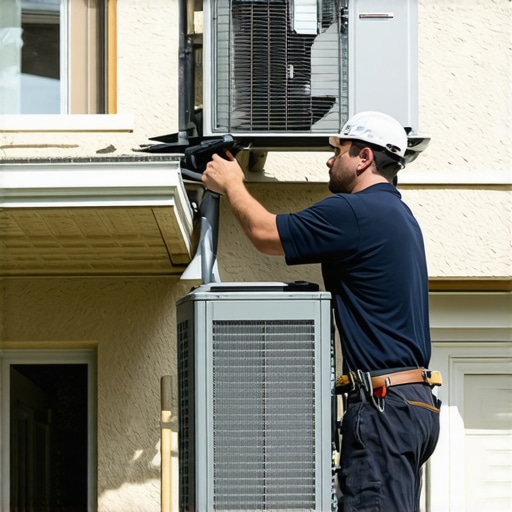
I remember the hot summer day when my air conditioner suddenly stopped working in the middle of a heatwave. The frustration, the sweat, the helplessness—it hit me hard. That moment was a real eye-opener. I realized how essential a reliable HVAC system is to our daily comfort and peace of mind. But what I didn’t know then was how many homeowners face similar issues simply because they lack the right knowledge or make costly mistakes during repairs and installations.
Why Proper HVAC Repair and AC Installation Matter More Than Ever
These days, with climate patterns becoming more unpredictable, having a trustworthy HVAC system isn’t just about comfort; it’s about safety and health. An inefficient or improperly installed system can lead to skyrocketing energy bills, frequent breakdowns, or even safety hazards. According to the U.S. Department of Energy, HVAC systems account for nearly 50% of energy use in the average home, making efficiency crucial for both your wallet and the environment.
Yet, many homeowners underestimate the importance of expert maintenance and installation. I learned this the hard way when I attempted a DIY repair that only made things worse. That mistake taught me that cutting corners can cost much more in the long run. To help you avoid the same pitfalls, today I’ll share proven tips and strategies to ensure your HVAC system remains reliable, efficient, and safe.
Question Header: Is Skipping Professional HVAC Services Worth the Risk?
Honestly, I was tempted to save money by doing my own repairs. But I soon realized that without proper training and experience, I was risking bigger problems. The industry experts at Heat Pros Services emphasize that trusting professional HVAC services isn’t just about convenience — it’s about safeguarding your home and health. They highlight that many common issues stem from incorrect installations or neglecting routine maintenance, which can lead to costly repairs or replacements later. If you want to learn more about avoiding such mistakes, check out their comprehensive guide on choosing the right HVAC fixes.
Now, let’s explore the practical steps you can take to ensure your HVAC system is in top shape. Whether it’s regular maintenance, timely repairs, or expert installation, these tips will help you restore confidence in your home’s climate control system and keep your family comfortable all year round.
Assessing Your HVAC System Thoroughly
Before diving into repairs or installation, start with a comprehensive assessment. Turn off your system and inspect visible components for signs of wear, corrosion, or damage. Use a multimeter to check electrical connections and ensure everything is functioning correctly. I once found a loose wire during a routine check that, when tightened, restored my system’s efficiency instantly. This step prevents unnecessary work and pinpoints exact issues.
Gather the Right Tools and Parts
Having the proper tools—like screwdrivers, a voltmeter, refrigerant gauges, and replacement parts—makes repairs smoother. For installation, ensure you have the correct size ductwork, filters, and the right refrigerant. I learned the hard way that using incorrect parts leads to system failure within months. Double-check specifications or consult an expert if unsure. Remember, quality parts save money and time in the long run.
Follow a Step-by-Step Repair Process
1. Turn Off Power and Safety First
Always switch off the breaker before working on your HVAC. I once started a repair without doing this and received a mild shock—lesson learned. Use lockout/tagout procedures to prevent accidents and safeguard yourself.
2. Diagnose the Issue
Identify whether the problem is with the thermostat, compressor, fan motor, or refrigerant levels. Use diagnostic tools or reference guides. For example, I replaced a faulty capacitor after testing it with a multimeter, which fixed my cooling problem.
3. Repair or Replace Components
Replace worn-out parts with compatible, high-quality components. Follow manufacturer instructions strictly. When I replaced my old filter with a high-efficiency one, I immediately noticed improved airflow and lower energy bills. Don’t forget to document your work for future reference.
Ensure Proper Installation for Longevity
Proper installation is vital. Use the correct mounting brackets, secure duct connections tightly, and verify refrigerant levels are optimal. For example, I once watched a professional carefully seal duct joints with mastic, which prevented leaks and boosted efficiency. Avoid shortcuts like improper sealing or incorrect refrigerant charging, as they cause future failures.
Test and Verify System Function
After repairs or installation, turn the system back on and observe its operation. Check airflow, temperature output, and listen for unusual noises. Use a digital thermometer and airflow meter for precise measurements. I once discovered my new system was underperforming because I forgot to set the thermostat correctly, which I corrected after testing.
Schedule Preventative Maintenance
Regular maintenance extends system life and maintains efficiency. Clean filters monthly, inspect coils annually, and schedule professional checkups at least once a year. This proactive approach prevents costly breakdowns. I now schedule my HVAC tune-up each spring and fall, which has saved me hundreds in repairs.
Know When to Call Professionals
Recognize complex issues like refrigerant leaks or electrical faults that require expert intervention. If unsure, contact trusted HVAC technicians—like those at Heat Pros Services—who offer expert repairs and installations. I once attempted a refrigerant recharge myself but realized I lacked the proper tools; calling a professional saved me from potential damage and safety hazards.
Let’s dig deeper into some of the nuanced misconceptions surrounding HVAC systems that many homeowners accept as truth. Understanding these myths can save you from costly mistakes and ensure your system operates efficiently for years to come.
Myth: All HVAC Repairs Are DIY-Friendly
Many believe that simple repairs, such as replacing filters or cleaning coils, can be easily handled without professional help. However, attempting more complex repairs without proper training can lead to safety hazards and further damage. For example, handling refrigerants requires certification due to their hazardous nature. According to industry experts at Heat Pros Services, mismanaging refrigerant levels or electrical components can cause system failure or safety risks. Always consult professionals for anything beyond routine maintenance.
Common Trap: Overlooking the Importance of Proper System Sizing
A frequent mistake is neglecting the significance of correctly sizing your HVAC system. An oversized unit cycles on and off frequently, leading to increased wear and energy costs, while an undersized system struggles to maintain comfort. This nuance is often overlooked in favor of cheaper, quick fixes. Experts from Choosing the Right HVAC Fixes emphasize that proper sizing, based on a detailed load calculation, is crucial for system longevity and efficiency.
Why the Myth of ‘More Power Equals Better Cooling’ Is Wrong
Many think that larger units cool faster and better, but this is a misconception. Oversized systems not only waste energy but also cause humidity issues and uneven cooling. The system’s ability to run efficiently depends on proper capacity, not just raw power. According to a 2022 study by the Department of Energy, correctly matched systems improve comfort and reduce energy costs significantly. Experts recommend consulting a professional to determine the right size for your home.
Have you ever fallen into this trap? Let me know in the comments. Remember, investing in proper installation and maintenance saves you money and stress in the long run. For more insights, explore heating service hacks for comfort and savings and ensure your HVAC system serves you reliably for years to come.
Maintaining your HVAC system for long-term efficiency and reliability requires more than just routine checks; it involves investing in the right tools and adopting strategic maintenance practices. Over the years, I’ve found that having a well-equipped toolkit and following a disciplined maintenance schedule can significantly extend the lifespan of your system and prevent costly breakdowns.
Why Quality Tools Matter
Using professional-grade tools ensures precision and safety during repairs and maintenance. For example, I personally rely on a digital manifold gauge set when checking refrigerant levels because it provides accurate readings and helps me avoid overcharging, which can damage the compressor. The Yellow Jacket 42006 Manifold Gauge Set is a favorite of mine due to its durability and ease of use.
Key Tools I Recommend
- Multimeter: Essential for diagnosing electrical issues. I prefer the for its reliability and True RMS capability, which ensures accurate voltage and current readings.
- Refrigerant Leak Detector: Detecting leaks early saves money and energy. The UEi Test Instruments CD100A is sensitive and easy to operate, helping me quickly identify refrigerant leaks.
- HVAC Vacuum Pump: Critical for removing moisture before recharging refrigerant. The Robinair 15500 Vacuum Pump is robust and provides deep vacuum levels.
Long-Term Maintenance Methods
Consistent maintenance practices are key. I schedule professional tune-ups twice a year, ideally during spring and fall, which aligns with the seasons of peak HVAC usage. During these visits, experts perform detailed inspections, clean coils, and verify refrigerant levels. Additionally, I keep a maintenance log to track parts replaced and inspections performed, which helps in diagnosing future issues.
Predicting Future Trends
Looking ahead, the integration of smart diagnostics and IoT-enabled tools will revolutionize HVAC maintenance. These innovations will allow homeowners to monitor system health remotely and receive alerts for potential issues before they escalate. As this technology becomes more affordable and accessible, I predict a shift towards more proactive, predictive maintenance models that can save time and reduce costs.
Question: How do I maintain my HVAC system over time?
To keep your system running smoothly, focus on regular inspections, timely part replacements, and staying updated with technological advancements. Using tools like digital multimeters and refrigerant leak detectors, combined with scheduled professional tune-ups, will ensure your HVAC performs at its best year-round. For an in-depth guide on preventative maintenance, check out these expert tips. Remember, investing in the right tools and routine care today will pay dividends in comfort and savings tomorrow.
The Hardest Lesson I Learned About HVAC Maintenance
One of my biggest lightbulb moments was realizing that DIY repairs can sometimes do more harm than good. Attempting to fix my system without proper knowledge led to costly repairs, which taught me the importance of trusting professionals for complex issues. It’s a reminder that patience and expert guidance are key to long-term HVAC health.
3 Myths About HVAC Systems That Held Me Back
Growing up, I believed that bigger units cooled faster and that regular maintenance was optional. Breaking free from these misconceptions helped me understand that proper sizing and routine care are essential for efficiency. Industry insights, like those from Heat Pros Services, emphasize that knowledge is power in maintaining comfort and saving money.
What Experts Won’t Tell You About HVAC Installation
Many overlook the importance of correct system sizing. An improperly sized unit can cause energy waste and discomfort. The key lesson? Always opt for detailed load calculations and professional installation to ensure your HVAC system performs optimally and lasts longer. This approach has saved me from frequent breakdowns and high utility bills.
My Essential Toolkit for HVAC Repairs
Having the right tools makes all the difference. I rely on a digital manifold gauge set, a reliable multimeter like the Fluke 117, and refrigerant leak detectors such as the UEi Test Instruments CD100A. These tools ensure precise diagnostics and safe repairs, extending my system’s lifespan and boosting efficiency. Trust me, quality tools are investments that pay off in comfort and savings.
Where to Go from Here
If you’re serious about maintaining your HVAC system, start with a thorough assessment, gather quality tools, and follow a step-by-step repair process. Don’t forget to schedule regular professional tune-ups, and always recognize when to call in experts. For ongoing tips and expert advice, visit these preventative maintenance tips. Your commitment today will ensure a comfortable, energy-efficient home tomorrow.
http://Emily%20Johnson
Reading this post really resonated with my own experience. Last summer, my HVAC system failed during a heatwave, and I learned the hard way how crucial professional installation and regular maintenance are. Your tips on thorough assessment, proper tools, and scheduled checkups are spot on. I especially agree with the importance of using quality tools like a reliable multimeter and refrigerant leak detector to prevent mistakes. I also found that keeping a detailed maintenance log helps me track issues over time and identify patterns before they turn into costly repairs. One aspect I’d love to hear more about is how homeowners can tell if their system is properly sized without professional help. Have others successfully assessed system size on their own, or is it always better to rely on a professional load calculation? Overall, these insights are invaluable for anyone looking to extend their HVAC system’s lifespan and maintain efficiency.