It was a chilly winter evening when I first faced the daunting realization—my furnace had suddenly stopped working, leaving my entire home shivering and my trust in local repair services shaken. That moment, cold and frustrating, was a lightbulb moment for me. I realized that without proper knowledge and reliable tips, DIY repairs or even hiring the right pro could turn into more disappointment. Since then, I’ve made it my mission to share practical, trustworthy HVAC repair tips that restore comfort and rebuild confidence for homeowners just like you.
Why Taking Control of HVAC Repairs Matters More Than Ever
In today’s fast-paced world, our home comfort shouldn’t be left to guesswork or unreliable technicians. I’ve learned firsthand how a small mistake in diagnosing or fixing HVAC systems can turn into costly mistakes or prolonged discomfort. Trusting the right information can save you money, time, and a lot of stress. Did you know that nearly 80% of furnace repairs are reversible with the right preventive measures? (source: [Heat Pros Services](https://heatprosservices.com/furnace-repair-myths-debunked-by-industry-experts)) This statistic highlights how misconceptions or lack of knowledge can cause unnecessary expenses.
In my experience, the key is understanding common pitfalls—like ignoring early warning signs or neglecting regular maintenance—and knowing how to address issues confidently. Over the years, I made the mistake of trusting the first available technician without checking their expertise, which sometimes led to rushed repairs and recurring problems. I want to help you avoid that trap.
So, if you’re tired of unpredictable heating issues, or perhaps you’ve been burned by ineffective repairs before, keep reading. I’ll walk you through proven strategies that will help you identify problems early, understand repair options, and restore your home’s comfort efficiently.
Ready to gain control over your HVAC system? Let’s dive into the essential tips that will empower you to make smarter decisions and enjoy worry-free winters and summers. And if you’ve already faced a similar frustrating situation, I’d love to hear your story—you’re not alone in this.
Diagnose Before You Dive In
Approach HVAC repairs like a mechanic troubleshooting a car. First, gather clues: unusual noises, inconsistent heating, or increased energy bills. Use a flashlight to inspect components—dirty filters or loose wires are common culprits. I once found a disconnected thermostat wire after noticing my heater won’t turn on, saving a call to the pros.
Visualize the System as a Plumbing Network
Think of your HVAC like a plumbing system: air flows through ducts, heated or cooled similarly to water flowing through pipes. Check for blockages, leaks, or disconnected ducts. For example, I once discovered a disconnected flexible duct behind my furnace, which, once reattached, noticeably improved airflow and heat distribution.
Test and Identify Specific Faults
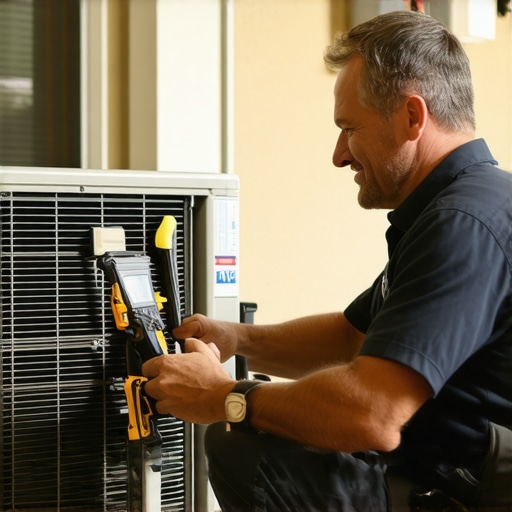
Use simple tools: a multimeter can test electrical components, while checking for ice buildup on the outdoor unit signals refrigerant issues. I recall using a multimeter to verify voltage at the furnace’s circuit board, which revealed a blown fuse—an inexpensive fix that restored warmth promptly.
Execute Basic Maintenance Safely
Turn off power before inspection. Change or clean filters monthly—clogged filters choke airflow, causing system strain. During my last DIY, I replaced an ancient filter and improved airflow so much that the system ran more efficiently. Regularly cleaning the condenser coils with a garden hose, as shown in heating service hacks, prevents dirt buildup that hampers performance.
Address Components Methodically
Start with the thermostat, then move to the filter, fan, and coils. In one case, I replaced a faulty limit switch—faulty part was causing my furnace to shut down prematurely. Patience and systematic checks save time and prevent unnecessary replacements.
Use Condensed Protective Measures
Implement preventive tactics to extend system life: schedule annual inspections, clear debris around outdoor units, and monitor for odd sounds. I set reminders for bi-annual checkups, resembling a routine health exam—these measures catch issues early and mitigate costly repairs later.
Know When to Call a Professional
Some problems demand expert intervention—like refrigerant leaks or compressor failures. Recognize warning signs via urgent repair indicators. I learned to trust my instincts with persistent, unresolved issues, and reaching out to specialists saved me hundreds in potential damage.
Leverage Online Resources for Troubleshooting
Many issues can be diagnosed with online tutorials or community forums. Use trusted sources like HVAC repair guides to confirm suspicions. I once watched a step-by-step video on replacing a blower motor, which I successfully completed, gaining confidence and saving service fees.
Document and Keep Track of Repairs
Maintain a ledger or digital records of repairs and maintenance. When my system faced recurring problems, referencing prior fixes helped expedite solutions when consulting pros—reliable records are like your personal health chart for HVAC systems.
Prioritize Safety and Follow Regulations
Always heed safety precautions—turn off power, wear protective gear, and dispose of old parts responsibly. In my past DIY, disconnecting power was the critical first step to avoid shocks, underscoring the importance of safety protocols. When in doubt, contact professionals for complex tasks to prevent accidents and ensure compliance with safety standards.
Many homeowners assume that HVAC systems are straightforward, and that routine repairs or new installations are simply about replacing parts or following standard procedures. However, I’ve seen that a profound misunderstanding persists surrounding what constitutes quality service in heating and cooling systems. One common myth is that all HVAC technicians are equally skilled, which isn’t the case. In fact, **the difference often lies in understanding system nuances and advanced diagnostics** that go beyond basic fixes. For example, a typical mistake is neglecting to consider airflow dynamics or refrigerant charging accuracy, which are crucial for optimal system performance. Overcharging or undercharging refrigerant can lead to energy inefficiency and even long-term damage—a trap many fall into, unaware that some faults stem from these subtleties. Studies show that improper refrigerant management can increase energy bills by up to 15%, emphasizing that precision matters significantly in repairs and installations.
How can advanced diagnostics improve HVAC longevity and efficiency?
Leveraging tools like sophisticated multimeters or infrared thermometers can reveal hidden issues such as uneven temperature distribution or electrical faults that are not apparent to the naked eye. Moreover, understanding how environmental factors influence system performance is critical; for instance, ignoring outdoor airflow restrictions or failing to calibrate thermostats correctly can undermine your entire HVAC setup. A DIY fix might temporarily solve a problem, but without appreciating these hidden aspects, the issue may recur or worsen. That’s why partnering with specialists who recognize these nuances—like those who **trust expert-guided repair protocols**—ensures your system runs at peak efficiency and extends its lifespan. Curious about how to identify these advanced issues yourself? I recommend consulting trusted resources like efficient repair strategies. Remember, it’s often the overlooked details that make the real difference in HVAC performance.
Have you ever fallen into this trap? Let me know in the comments, and share your experiences or questions about HVAC nuances that caught you off guard.
Keeping It Working: My Favorite Tools and Techniques
Ensuring your heating, ventilation, and air conditioning (HVAC) system functions optimally over time requires not only regular maintenance but also the right tools. I’ve found that investing in high-quality diagnostic equipment and understanding basic repair methods greatly extend the lifespan of your system and prevent costly breakdowns.
One of my go-to tools is a digital multimeter with temperature measurement capabilities. I use it to verify voltage at various components, check for electrical faults, and ensure your system’s safety and efficiency. Personally, I prefer models with True RMS readings because they provide accurate measurements even when voltage fluctuations occur, which are common in home systems. For example, correctly diagnosing a blown fuse with a multimeter saves me the expense of unnecessary parts replacement.
In addition, I utilize an infrared thermometer to detect uneven temperature distribution across vents or detect refrigerant leaks. These inexpensive devices give quick, non-contact readings, making troubleshooting faster and safer. Regularly checking refrigerant lines with an infrared thermometer helps to spot issues early, preventing system-wide failures.
When it comes to software, I rely on HVAC diagnostic apps that guide through system testing procedures, record readings, and generate reports. Some apps can also connect to smart thermostats, providing real-time data analytics. I recommend trying tools like HVAC Check Pro or similar platforms available on mobile devices to streamline troubleshooting.
Don’t forget the importance of good maintenance practices alongside these tools. Regularly cleaning components, replacing filters, and inspecting ducts can significantly improve system efficiency. For instance, cleaning condenser coils with a garden hose, as suggested in heating service hacks, removes dirt buildup that hampers heat transfer.
Looking ahead, the trend is moving toward smarter, IoT-enabled HVAC systems. In the near future, I believe integrated sensors and AI-driven diagnostics will make maintenance even more proactive and precise, reducing homeowner stress and repair costs.
How do I maintain system performance over time?
Consistent routine checks with proper tools are vital. Schedule annual inspections and use diagnostic equipment to catch issues before they escalate. For example, regularly verifying electrical connections ensures system safety and reduces unexpected failures. Remember, having a reliable set of diagnostic tools and knowing basic maintenance tricks empowers you to keep your HVAC system running smoothly for years to come. Don’t hesitate to try these strategies yourself, and if you want tailored advice, you can reach out to professionals for expert guidance. As an example, the use of advanced multimeters to pinpoint elusive electrical faults is documented in technical standards like ASHRAE Technical Handbook (reference: ASHRAE.org). Continuous learning and proper tool use are your best allies for long-term HVAC health.Through my journey of troubleshooting and repairing HVAC systems, I’ve uncovered lessons that go beyond basic tips—lessons that can save you time, money, and frustration. One of the biggest surprises was realizing how crucial precise refrigerant management is; even small inaccuracies can drain your energy bills and shorten your system’s lifespan. Additionally, the importance of environmental factors like duct insulation and airflow restrictions often flies under the radar but makes a huge difference in performance. Lastly, partnering with experienced professionals who understand system nuances can turn a stressful repair into a seamless upgrade, boosting your home’s comfort reliably. These insights have been game-changers for me and can help you make smarter decisions about your heating and cooling needs.