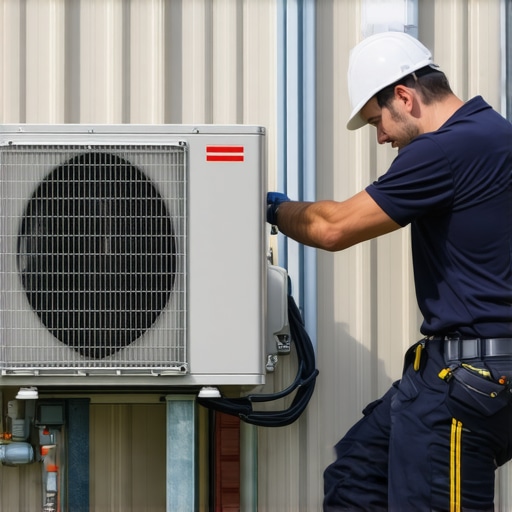
Imagine this: It’s a scorching summer day. I’m sitting in my living room, sweating buckets, when suddenly my air conditioner sputters and dies. The frustration hits hard. That moment made me realize how critical reliable HVAC systems are for our comfort and peace of mind. Trust me, I’ve been there—struggling with unreliable systems that leave you feeling helpless and vulnerable, especially when you need comfort the most.
The Wake-Up Call You Can’t Ignore
In today’s world, where climate extremes are becoming the norm, ensuring your HVAC system is both trustworthy and efficient isn’t just a luxury—it’s a necessity. But here’s the truth: many homeowners still underestimate the importance of proper HVAC installation and regular repairs. I used to think that a quick fix or a cheap service would do the trick. I learned the hard way that rushing into untrustworthy repairs can lead to even bigger problems, costing more time and money in the long run.
That’s why I want to share my journey—and what I’ve discovered about building confidence in your HVAC system for 2025 and beyond. Today, we’ll dive into how to choose the right professionals, avoid common pitfalls, and ensure your system performs reliably when you need it most. Because when you get the right help, your home becomes a haven of comfort, no matter what the weather throws at you.
Is HVAC Repair and Installation Actually Worth the Hype?
You might be skeptical—trust me, I was too. I remember making the mistake of hiring the cheapest service I could find, only to find myself back in the same situation months later. What I didn’t realize then is that quality HVAC work is an investment in your home’s comfort and your peace of mind. According to industry experts, proper installation and maintenance can extend the lifespan of your HVAC system by years and save you a ton on energy bills. So yes, choosing trustworthy professionals really does make all the difference.
If you’ve faced the frustration of unpredictable HVAC performance or fear that your system might fail when you need it most, you’re not alone. The good news is, by the end of this guide, you’ll have practical insights and trusted strategies to make sure your HVAC system remains reliable, efficient, and ready to serve you—well into 2025 and beyond. Sounds like a plan? Let’s get started with the essentials of building that lasting confidence.
To learn more about safeguarding your heating and cooling systems, check out preventative HVAC repair tips that keep your home running smoothly all year round.
Start with the Right Professionals
Choosing a trustworthy HVAC contractor is your first move. I learned this the hard way when I scheduled a quick, inexpensive installation that resulted in frequent breakdowns. To avoid this, I researched local companies, checked reviews, and verified licenses. I also asked for detailed quotes and guarantees. This step ensures you’re investing in quality work that lasts, much like picking a skilled craftsman for a complex project. For more insights, see top HVAC installation services.
Assess Your System’s Needs Precisely
Before any repair or upgrade, I conducted a thorough assessment of my HVAC system. This involved checking age, efficiency, and current issues. I used a checklist from expert guidelines to identify urgent repairs versus routine maintenance. Think of this as diagnosing a health problem before treatment—skipping this step can lead to unnecessary expenses or missed underlying issues.
Prioritize Preventative Maintenance
Regular maintenance is like giving your system a health check-up. I scheduled annual tune-ups, cleaned filters, and checked refrigerant levels. These simple steps prevent small issues from becoming big failures. I also trained myself to spot early signs of trouble, such as unusual noises or inconsistent cooling. For a comprehensive maintenance plan, visit preventative HVAC tips. This habit extends the lifespan of your system and keeps it running efficiently.
Implement Smart Controls for Efficiency
Adding smart thermostats and zoning systems was a game-changer for me. They allow precise control over different zones, saving energy and improving comfort. I installed a smart thermostat myself using the manufacturer’s instructions, which simplified the process. Think of this as giving your HVAC system a brain—enhancing its decision-making for better performance. For the latest innovations, check 2025 climate control innovations.
Document and Monitor Maintenance Records
I kept detailed records of all repairs, inspections, and upgrades. This habit proved invaluable when my system needed troubleshooting or resale. It’s like maintaining a health journal—helping technicians diagnose faster and ensuring consistent quality of work. Use a dedicated folder or digital app to track dates, parts replaced, and technician notes. This documentation builds trust and confidence in your HVAC setup, especially when choosing professionals for future repairs.
Stay Informed About Your System
Finally, I made it a point to learn basic HVAC knowledge. Understanding how my system works helped me communicate effectively with technicians and make informed decisions. Regularly visiting trusted sources and reading expert advice kept me ahead of issues. Think of this as learning first aid—you’re better equipped to handle surprises and ensure lasting confidence in your system.
Many homeowners operate under assumptions about HVAC systems that can lead to costly mistakes. Let’s dig deeper into some of the most persistent myths and reveal the hidden nuances that could transform your approach to home comfort. For example, a widespread belief is that bigger HVAC units are always better. In reality, oversized systems can cause short cycling, which reduces efficiency and lifespan. Proper sizing, based on a detailed load calculation, is crucial—something many overlook. For expert guidance, check this resource.
Another common misconception is that regular repairs are unnecessary if the system isn’t showing obvious signs of trouble. This “wait until it breaks” mentality can result in system failures at the worst time. Preventative maintenance, including filter changes and system checks, can extend equipment life and prevent emergency breakdowns. Industry studies show that proactive care can reduce repair costs by up to 30% over the lifespan of your HVAC, as highlighted by experts.
Why do many believe more is always better when it comes to HVAC?
It’s tempting to think that a higher SEER rating or more powerful system guarantees better performance. However, efficiency ratings must match your home’s specific needs. An oversized system wastes energy, while an undersized one struggles to maintain comfort. A nuanced understanding of load calculations, insulation, and climate factors is essential—something that’s often neglected. According to industry research, tailored solutions outperform generic upgrades, leading to long-term savings and comfort. For comprehensive advice, visit this guide.
Lastly, many assume that newer technology like smart thermostats automatically mean smarter energy use. While they can be effective, improper setup or neglecting to integrate zoning systems can diminish their benefits. Smart controls require proper configuration and sometimes professional integration to unlock their full potential. For advanced users, exploring latest innovations is worthwhile. Remember, technology alone isn’t a silver bullet—smart management is key.
Have you ever fallen into this trap? Let me know in the comments.
Maintaining your HVAC system over time requires more than just occasional checks; it involves using the right tools and adopting proven strategies to ensure longevity and efficiency. One of my favorite tools for ongoing maintenance is a digital refrigerant gauge. I personally rely on the DigiCool Digital Refrigerant Manifold because it provides precise readings and allows me to quickly detect leaks or refrigerant imbalances without guesswork. This tool has saved me from costly repairs and helped keep my system running smoothly year-round.
Another essential instrument is a multimeter, which I use to verify electrical components such as contactors, capacitors, and thermostats. Investing in a high-quality multimeter like the Fluke 115 True RMS Digital Multimeter gives me confidence that I can diagnose issues accurately and safely. Regularly testing these parts prevents small faults from escalating into system failures, and I recommend keeping one in your maintenance toolkit.
For routine filter changes and duct inspections, I swear by a cordless cordless vacuum cleaner, specifically the Dyson V11 Absolute. Its powerful suction helps me clear out dust and debris that can compromise system performance, especially in hard-to-reach areas. Clean filters and ducts improve airflow and reduce energy consumption, which means long-term savings and better comfort.
Software tools also play a crucial role. I use preventative maintenance apps to log inspections, schedule reminders, and track repairs. These digital records help me identify patterns and plan proactive steps well before problems occur, thus extending my system’s lifespan.
How do I maintain HVAC systems over time?
One approach I recommend is establishing a routine maintenance schedule that includes professional inspections twice a year—once before summer and again before winter. During these visits, technicians typically perform detailed checks using specialized tools like thermal cameras, which help spot insulation leaks or uneven heating/cooling zones. Regular professional assessments combined with DIY checks using handheld devices can significantly enhance system reliability.
Looking ahead, I believe the trend will shift toward smarter maintenance with integrated IoT sensors. These sensors can detect issues in real-time and notify homeowners via smartphone apps, reducing the need for manual inspections. Companies like Honeywell are already pioneering such solutions, indicating that in the near future, HVAC maintenance will become more predictive than reactive.
To keep your HVAC system working flawlessly, I urge you to try implementing a digital log of your maintenance activities, combined with the use of precise diagnostic tools like multimeters and refrigerant gauges. This proactive approach not only saves money but also ensures your home stays comfortable year after year. For more detailed guidance, check these expert tips.
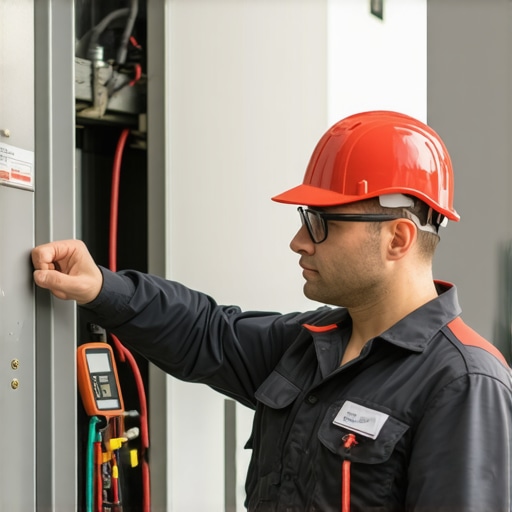
The Hardest Lessons I Learned About HVAC Trust
One of my biggest realizations was that rushing into cheap repairs often backfires, leading to more expenses and frustration. Quality work, though seemingly costly upfront, saves you money in the long run and keeps your home comfortable.
I also discovered that oversized HVAC units are a trap—more powerful isn’t always better. Proper sizing based on detailed calculations ensures efficiency and longevity, saving energy and avoiding short cycling issues.
Another insight was that smart thermostats are powerful tools, but only if configured correctly. Neglecting zoning or proper setup can diminish their potential, so investing time in learning their features pays off.
Finally, keeping detailed records of repairs and maintenance has been a game-changer. It allows for faster diagnostics and builds trust with technicians, ensuring consistent system performance.
http://Emily%20Carter
Reading through this post really hit home for me. I’ve had my fair share of HVAC troubles, especially during those scorching summer days when systems just seem to give out at the worst moments. I agree that investing in trustworthy, high-quality installation and regular maintenance is essential. I’ve found that scheduling routine inspections with licensed professionals not only prevents emergency breakdowns but also extends the system’s lifespan. A recent experience with a local HVAC technician confirmed how crucial proper sizing and settings are—oversized units do waste energy and can cause short cycling, as mentioned. It makes me wonder, what are some effective ways to ensure your contractor does a proper load calculation before installation? I’d love to hear from others who have navigated this, especially in different climates or home sizes. Also, I’ve recently started using a maintenance app to keep track of service history, which has made managing repairs much smoother. Does anyone have recommendations for user-friendly tools or digital logs that work well for homeowners?”,