The Sound of Silence: When Your 24-Volt Lifeblood Vanishes
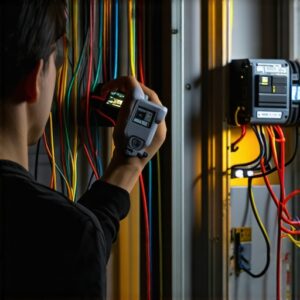
You walk downstairs because the house is getting stuffy, and you notice the thermostat is a blank, dead square of plastic. No clicks, no fan, no cooling. In the world of real HVAC work—not that fluff you see in brochures—this is the sound of a blown transformer. Most ‘Sales Techs’ (those guys who get a commission for every unit they sell instead of actually fixing things) will look at a dead transformer and immediately start pitching a $15,000 system replacement. I remember following one of these ‘parts changers’ to a job in the suburbs last winter. He’d quoted a sweet old lady for a full high-efficiency furnace installation because the ‘electronics were fried.’ I stepped in, spent ten minutes on control board diagnostics, and found a low-voltage wire that a mouse had chewed through, grounding it out against the chassis. A $40 part and some electrical tape saved her ten grand. That’s the difference between a tin knocker and a technician.
“Proper sizing of control circuit transformers is essential to ensure that the inrush current of contactors and relays does not cause a voltage drop that prevents proper component engagement.” – ACCA Manual J Standards
The Thermodynamic Zoom: Why Transformers Die
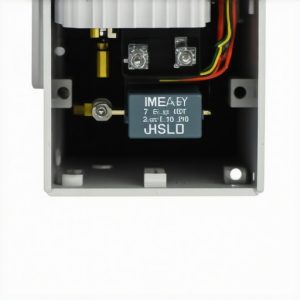
A transformer is a simple beast: it takes 120V or 240V ‘juice’ and steps it down to 24V to run your thermostat, contactors, and relays. It’s the brain’s power supply. But here is the cold, hard physics: transformers almost never die of old age. They are murdered. When a transformer blows, it’s usually because a component downstream has failed and is drawing too many amps, or there’s a direct short to ground. If you just swap the transformer without finding the ‘why,’ the new one will pop faster than a fuse in a lightning storm. This is especially true with modern SEER2 compliant upgrades where the tolerances for electrical variance are razor-thin. If your furnace repair services don’t include an amp-draw test on the secondary side of the circuit, they aren’t doing their job.
The Forensic Diagnosis: Anatomy of a Short
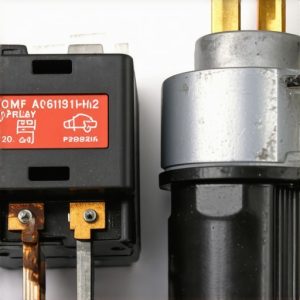
In our northern climate, we deal with extreme temperature swings that make metal expand and contract. This ‘thermal breathing’ can rub the insulation off wires over time. When we perform boiler maintenance services or look at warehouse heating solutions, we often find that vibration has turned a standard wire into a ticking time bomb. A blown transformer is a symptom of a deeper pathology. It could be a failing contactor coil on your outdoor condenser that’s pulling 4 amps instead of 0.5. It could be a shorted-out pressure switch. Or, quite frequently, it’s a botched thermostat installation where the ‘C’ wire was jammed into the wall and nicked by a drywall screw. You have to treat the HVAC system like a human body; the transformer is the heart, and if it stops, you better check if the arteries (the wiring) are clogged or leaking.
“The most expensive equipment in the world cannot overcome a bad duct system.” – Industry Axiom
Climate Context: Cold-Weather Electrical Hazards
Up here in the North, we have unique enemies: moisture and ice. During a furnace repair call in a polar vortex, I’ve seen condensation from a high-efficiency heat exchanger leak directly onto the control board. Water and 24V logic don’t mix. It creates a high-resistance short that slowly cooks the transformer until the primary windings melt. This is why infared heater installation and propane conversion services require such strict adherence to venting protocols; if you don’t manage the byproduct of combustion—water—you’re going to be replacing more than just a transformer. You’ll be looking at a total control board failure. If you think you’re having issues, you should check out these furnace repair myths debunked by industry experts to make sure you aren’t being taken for a ride by a ‘Sales Tech.’
The Repair vs. Replace Math
When the transformer goes, we look at the age of the system. If you’re running an R-22 ‘dinosaur’ and the transformer blew because the compressor internal windings are shorting, it’s time to talk about SEER2 compliant upgrades. But if it’s a modern unit, a blown transformer is just a detective game. We use a ‘Popper’ (a resettable breaker) to find the short without wasting ten transformers. Whether it’s a fireplace insert services electrical issue or a warehouse heating solutions failure, the physics remains the same: find the short, or find a new technician. For more on keeping your system alive, see our guide on top HVAC repair strategies to extend your system’s life. Don’t let someone talk you into a new unit just because they’re too lazy to use a multimeter.