The Sound of Silence and the Smell of Hot Copper
Listen close. It’s 92 degrees in the shade, the humidity is thick enough to chew on, and you hear that dreaded hum from the utility closet—but no air is moving. That’s the sound of a system trying to commit suicide. Most ‘Sales Techs’ will walk in, see a 12-year-old cabinet, and immediately start talking about low-GWP refrigerant retrofits or how you’re throwing money away on ‘old tech.’ They’ll tell you the ‘brain’ is fried and you need a $14,000 system. But thirty years of melting in attics has taught me one thing: 9 times out of 10, the ‘brain’ isn’t dead; it just has a $20 nerve problem. We’re talking about the fan relay.
The Forensic Diagnosis: Anatomy of a ‘Dead’ Unit
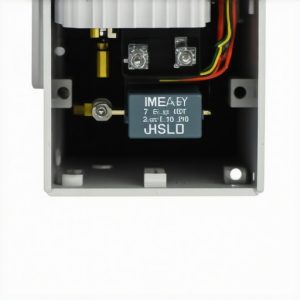
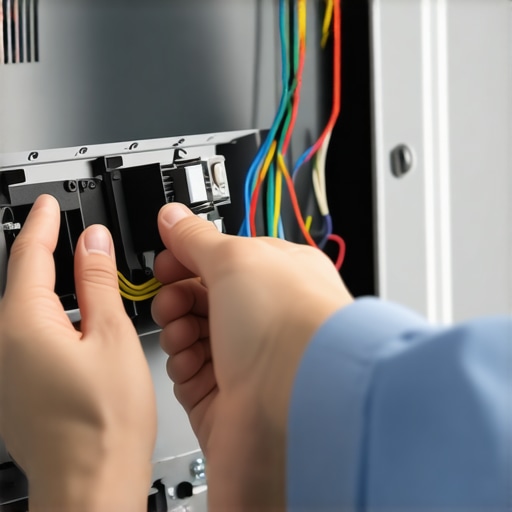
I followed a guy last week—one of those ‘techs’ who carries a tablet instead of a manifold gauge set. He’d quoted a homeowner in the North End a full dual fuel heat pump system replacement because the indoor blower wouldn’t kick on. He claimed the control board was obsolete. I walked in, pulled the service panel, and smelled it—that ozone-heavy, metallic tang of a stuck relay coil. I pulled a universal SPDT relay out of my bag, swapped the leads, and that blower roared to life like a jet engine. This isn’t magic; it’s basic thermodynamics and electrical sequencing. The fan relay is the traffic cop of your HVAC system. When the thermostat calls for G (fan), that 24-volt signal hits a magnetic coil. If that coil is pitted or the contacts are welded shut from high-amp arcing, your motor stays silent while your compressor keeps pumping juice. Without airflow, your evaporator coil drops below the dew point, freezes into a block of ice, and you risk liquid slugging your compressor. That is how a $20 part kills a $3,000 heart.
“The most expensive equipment in the world cannot overcome a bad duct system or a failure in the basic sequence of operations.” — Industry Axiom
Thermodynamic Zooming: Why Airflow is King
In our cold northern climate, we deal with extreme temperature swings that stress every solder joint in your cabinet. When we talk about IAQ improvement services or HEPA filter systems, homeowners often forget that high-efficiency filters increase static pressure. If your HVAC load calculation services weren’t done right, that extra resistance makes the fan relay work harder to maintain the call for cooling or heating. If the relay fails, the heat exchanger in a furnace can overheat in seconds, leading to the nightmare scenario: a cracked heat exchanger. This is why furnace flame sensor cleaning and relay testing are the twin pillars of preventive maintenance. You aren’t just ‘fixing a part’; you are managing the delta-T (temperature difference) across the coil. If you don’t move the air, you don’t move the heat. Period.
The Physics of the North: Cold Climate Heat Pumps and Chimney Liners
For those of us in the frost belt, we’re seeing a massive shift toward cold climate heat pumps. These units are beasts, but they are electrically complex. When you’re integrating these with an existing gas furnace, the fan relay’s role becomes even more critical. You’re toggling between dual fuel heat pump systems and gas backup. If that relay sticks during the transition, you could have a furnace burner firing while the heat pump is trying to defrost—a recipe for a high-pressure lockout. It’s the same reason we insist on chimney liner installation for older atmospheric venting furnaces; we have to control the physics of the entire house, not just the box. A simple fan relay failure can mask deeper issues, but a ‘Sales Tech’ won’t look for those. They just want the commission on the install.
“Designers shall ensure that the blower is capable of delivering the required CFM against the calculated external static pressure of the duct system.” — ACCA Manual D
The Math: Repair vs. Replace
Let’s talk numbers, because that’s where the ‘Tin Knockers’ and ‘Sparkies’ usually disagree with the sales department. A fan relay repair typically costs between $150 and $300 including labor. A new high-efficiency AC or heat pump install starts at $8,000 and goes up faster than low-GWP refrigerant prices. If your heat exchanger is intact and your compressor’s windings aren’t grounded, you fix the relay. You don’t buy a new car because the starter solenoid clicked, right? However, if you’re dealing with an R-22 system that’s leaking ‘gas’ (refrigerant) and has a dead relay, that’s when we talk about efficient HVAC repairs or replacement. You can check out choosing the right HVAC fixes to see where your system falls on the survival scale. If you’re constantly calling for bypass humidifier repair or furnace flame sensor cleaning, it might be time to look at the ‘The Blueprint for Cooler Summers.’ But for a simple blower failure? Check the relay first.
The Airflow Manifesto: Beyond the Relay
Once you’ve saved the system with a relay swap, you need to ensure it doesn’t happen again. This involves IAQ improvement services like air purification integration to keep the ‘Pookie’ (mastic) and dust off your motor. A clean motor draws fewer amps, which keeps your relay contacts from pitting. If your system is old, we might even look at low-GWP refrigerant retrofits to stay ahead of the 2025 regulatory cliff, but we do it on your terms, not because a relay failed. Always remember: ‘Suction line’ should be ‘beer can cold,’ and your technician should be more interested in his multimeter than his sales brochure. If you think you’re being scammed, get a second opinion from a veteran who knows the difference between a dead compressor and a bad capacitor. For more on avoiding the traps, read our guide on AC installation secrets. We aren’t here to sell you a shiny white box; we’re here to keep the air moving.