
The Deceptive Silence of a Dead Unit
There is a specific kind of silence that makes a homeowner’s blood run cold. It is that mid-July afternoon in the Southwest, when the thermometer is pushing 115°F, and you realize the hum of the condenser has vanished. All you hear is the faint, pathetic whir of the indoor blower pushing lukewarm air. Most people jump to the worst-case scenario: ‘The compressor is dead.’ And honestly, if you call one of those big-box companies that sends out ‘Comfort Advisors’ instead of real mechanics, they will confirm your fears. They will tell you that the heart of your system has suffered a massive cardiac arrest and you need to drop fifteen grand on a new installation. But here is the truth from someone who has spent thirty years in the trenches: it is often just a fifty-dollar relay.
The Sales Tech Scam: A Case of Forensic HVAC
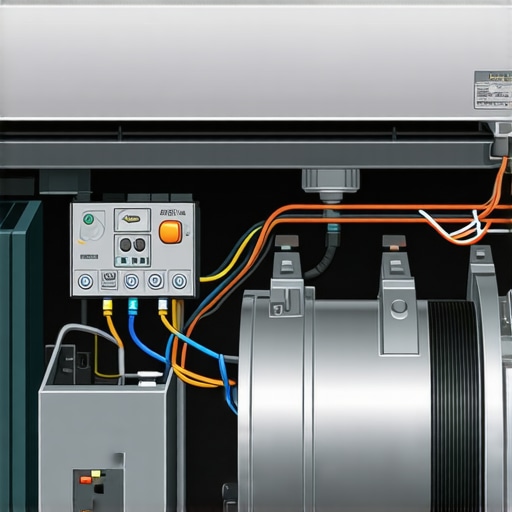
I remember following a ‘Sales Tech’ out to a job in a dusty suburb last summer. The homeowner was a retired schoolteacher, and this kid—wearing a crisp white shirt without a single grease stain—had already quoted her $12,000 for a full system replacement because of a ‘grounded compressor.’ I walked up to the unit, pulled the disconnect, and popped the service panel. I didn’t even need my Fluke meter to see the problem. The contactor—a simple relay—was pitted and charred. A lizard had crawled in there, completed the circuit, and fried itself, welding the points just far enough apart that they wouldn’t pass the high-voltage ‘juice’ to the compressor. I replaced the contactor, cleaned the terminals, and that ‘dead’ compressor hummed to life instantly. I didn’t make a $2,000 commission that day, but I slept a hell of a lot better. This is why choosing the right HVAC fixes matters more than the brand name on the box.
“The most expensive equipment in the world cannot overcome a bad duct system or a technician who doesn’t understand basic electrical troubleshooting.” – Industry Axiom
Thermodynamic Zooming: How the Relay Controls the Magic
To understand why a relay mimics a dead compressor, you have to understand the physics of the cooling cycle. Your AC doesn’t ‘create’ cold; it removes heat. The compressor is a pump that moves refrigerant gas, raising its pressure and temperature so it can shed that heat to the outside air. Inside the house, the evaporator coil drops below the dew point. This is critical. If the coil isn’t cold enough, it won’t remove the latent heat (the moisture in the air). In our dry climate, we deal mostly with sensible heat—the actual temperature you feel—but when a relay fails, the whole process stops. A relay, or contactor, is essentially a gatekeeper. It uses a low-voltage signal from your programmable thermostat to close a high-voltage bridge. If that bridge is broken by carbon buildup, ants (who are strangely attracted to electromagnetic fields), or a burnt-out coil, the compressor never gets the signal to start. It sits there, silent and cold, while the ‘Sales Tech’ tells you it’s a paperweight.
The Mechanical Anatomy: Relay vs. Compressor
How do you tell the difference? A real compressor failure has a smell. If the motor windings inside the compressor burn out, they create an acidic, sour stench that will stay in your nostrils for a week. That’s a ‘burnout,’ and it’s the real deal. But if the unit is just sitting there, or if it’s making a chattering sound like a machine gun, that is almost always a relay or a capacitor issue. The relay is the ‘muscle’ that engages the load. In a ductless mini-split installation, these relays are often integrated into complex circuit boards, but the physics remains the same. If the relay doesn’t snap shut, the ‘gas’ (refrigerant) stays stagnant. No pressure change means no cooling. We see this often in efficient HVAC repairs where the tech actually takes the time to check the microfarads on a capacitor or the ohms across a contactor’s poles.
Why the Southwest Heat Kills Relays
In regions like Arizona or Nevada, we deal with extreme ‘high head pressure.’ When it’s 115°F outside, the condenser fan has to work overtime to reject heat. This puts an immense load on the electrical components. The relay has to snap shut against a high resistance, which creates a small arc of electricity every time it cycles. Over thousands of cycles, that arc pits the silver coating on the contacts. Eventually, they stick or fail to conduct. This is why swamp cooler maintenance is a different beast—those use simple floats and pumps—but for a refrigerated AC, the relay is the most common point of failure. If you haven’t had preventative HVAC repair recently, those contacts are likely wearing thin as we speak.
“Standard 180 emphasizes that electrical connections, including contactors and relays, must be inspected for signs of overheating or pitting to ensure system reliability.” – ASHRAE Standards
Beyond the AC: Relays in Heating and Ventilation
The relay isn’t just an AC component. Whether you are looking at biomass boiler services or complex crawl space heating solutions, relays govern the flow of energy. Even a wood burning stove installation often involves a blower motor controlled by a thermal relay—if the flue pipe reaches a certain temperature, the relay kicks the fan on to circulate the heat. If that relay fails, the stove might be roaring, but your house stays cold. We see similar issues with flue pipe installation where improper venting causes sensors to trip, which then tells the relay to shut down the system for safety. It’s all a giant, interconnected web of safety switches and power gates.
The Solution: Priority Service and Precision Diagnosis
The best way to avoid being scammed by a ‘dead compressor’ diagnosis is to stay ahead of the curve. Priority service memberships aren’t just a way for companies to get monthly revenue; for a reputable shop, they are a way to perform relay services and cleaning before the heat wave hits. A real technician will use a ‘Pookie’ (mastic) to seal air leaks and check your ‘Sparky’ (electrical) connections during every visit. They will check the suction line to make sure it’s ‘beer can cold’—which tells us the airflow is right and the ‘juice’ is moving correctly. If your system is old and you’re worried about the transition to new refrigerants, check out our guide on AC installation secrets. Don’t let a simple electrical failure turn into a five-figure nightmare. Demand a ‘Forensic Diagnosis’ and make them show you the voltage drop across the relay before you ever sign a contract for a new compressor.