The Thermodynamic Reality of the 2025 Regulatory Cliff
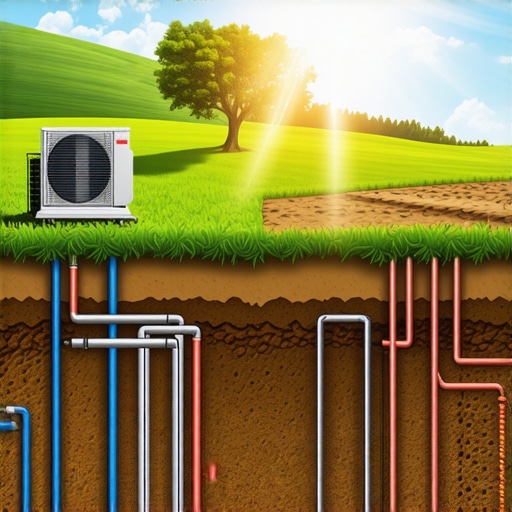
I remember my old mentor, a grizzly veteran who smelled like tobacco and PVC glue, screaming at me in the middle of a cramped mechanical room in a multi-family complex: ‘You can’t cool what you can’t touch, and you can’t dump heat where it’s already full!’ He was talking about the second law of thermodynamics, though he probably just called it common sense. This is the fundamental hurdle for air-source units during a record-breaking heatwave. When the ambient temperature hits 105°F, your standard air-source unit is trying to shove heat into air that is already saturated with it. It is like trying to blow a balloon up when it’s already at the bursting point. This is why geothermal heat pumps are the undisputed kings of efficiency when the mercury spikes.
“The most expensive equipment in the world cannot overcome a bad duct system.” – Industry Axiom
We are currently staring down the barrel of the R-410A phase-out. By 2025, the industry is shifting to A2L refrigerants like R-454B. These ‘mildly flammable’ gases require new sensors and tighter tolerances. If you think your current ‘Sales Tech’ from the big-box company is prepared for this, you’re dreaming. They are trained to sell you a shiny new box, not to understand the static pressure testing required to ensure that box actually works. In warehouse heating solutions or large-scale multi-family heating upgrades, the transition is even more volatile. Air-source systems will struggle with the higher pressures and lower heat transfer rates of new gases during extreme heat, while geothermal remains insulated from the chaos of the atmosphere.
Why Geothermal Wins the Heat Exchange Battle
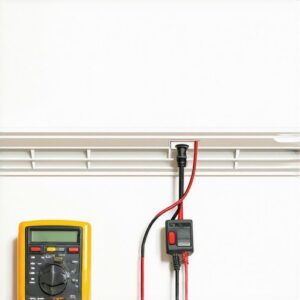
To understand why geothermal wins, we have to use some Thermodynamic Zooming. An air-source unit uses a fan to pull hot outdoor air across a condenser coil. If it is 110°F outside, that coil has to get even hotter—sometimes 130°F or more—to reject heat from the house. This sends head pressures through the roof, causing the compressor to pull massive amperage and shortening the life of the wiring repair for heating systems you just paid for. Eventually, the compressor hits its thermal limit and trips. You’re left with a ‘dead’ unit that just needs to cool down, or worse, a burnt-out motor that smells like a sour, acidic nightmare.
Geothermal, however, doesn’t care about the air temperature. It uses the earth as a heat sink. Ten feet down, the ground stays a consistent 55°F to 60°F. When the heat pump sends the ‘gas’ (refrigerant) through the ground loop, it is rejecting heat into a 55°F medium instead of 110°F air. The delta-T (temperature difference) is massive. This means lower pressures, less wear on the compressor, and a system that won’t skip a beat when your neighbor’s air-source unit is screaming for mercy. It is the difference between running a marathon in a sauna versus running it in a climate-controlled gym.
The Importance of Airflow and Static Pressure
Whether you are installing a wall furnace installation or a complex geothermal loop, airflow is king. I’ve seen ‘Tin Knockers’ slap together ductwork that looks like a flexible-duct octopus, only to wonder why the far bedroom is 80°F. Without proper static pressure testing, you are just guessing. High static pressure is the silent killer of blowers. It’s like trying to breathe through a cocktail straw while running. We see this often in restaurant kitchen exhaust repair; if the make-up air isn’t right, the whole building goes into a vacuum.
“Design of the distribution system is as critical as the selection of the heating and cooling equipment.” – ACCA Manual D
If you are considering multi-family heating upgrades, you have to look at the total system. You can’t just swap a unit and leave the old, leaking flue pipe installation or the clogged coils. A proper heat exchanger cleaning is mandatory to maintain the heat transfer rates needed for efficiency. For those on the edge of the grid, propane conversion services might be necessary, but geothermal often eliminates that need entirely by providing superior COP (Coefficient of Performance) without a flame. Check out our ultimate guide to AC installation to see how these physics apply to your specific home.
Maintenance: Beyond the ‘Sales Tech’ Tune-Up
I despise the ‘Sales Tech’ who comes in, looks at your capacitor for two seconds, and tells you that you need a $15,000 system because your ‘juice’ is low. A real technician looks at the suction line (it should be ‘beer can cold’) and checks the superheat and subcooling. For warehouse heating solutions, we look at the flame rollout and the integrity of the heat exchanger. If you want your system to last 20 years instead of 10, you need warranty service plans that actually include heat exchanger cleaning and wiring repair for heating systems, not just a filter change and a sales pitch. You can learn more about extending your system’s life here.
In the North, where we deal with the polar vortex, geothermal is even more of a ‘game-saver.’ While air-source heat pumps lose their capacity at 5°F and have to rely on expensive ‘heat strips’ (electric resistance heat), the geothermal unit is still pulling heat from that 55°F ground. It is the only way to stay comfortable without burning through your retirement savings on utility bills. If your furnace is acting up before you make the switch, knowing when furnace repair is urgent can save your pipes from freezing.
The Final Verdict on Physics
Comfort isn’t magic; it’s physics. Whether you’re dealing with propane conversion services or a wall furnace installation, the goal is the same: moving heat from where you don’t want it to where it doesn’t matter. Geothermal does this better than anything else on the market because it uses the most stable thermal mass available: the earth. Don’t let a ‘Sparky’ or a ‘Sales Tech’ tell you otherwise. Investing in the right infrastructure now—including proper duct sealing with Pookie and ensuring your flue pipe installation is up to code—will pay dividends when the 2025 regulations hit and equipment costs soar. For more on 2025 trends, see heating service innovations for 2025.