The Phantom Promise of the Forever Unit
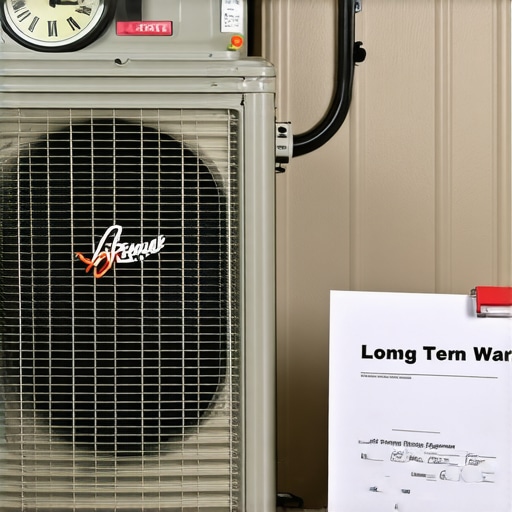
I followed a ‘Comfort Advisor’ last Tuesday—that is what they call sales guys now to make them sound like therapists—into a basement in the middle of a January freeze. The customer was a guy named Miller who had been told his five-year-old modulating furnace was a ‘total loss’ because of a hairline fracture in the heat exchanger. The sales tech had quoted him eighteen grand for a full replacement, waving around a ‘Lifetime Warranty’ brochure like it was the Golden Ticket. I took one look at the burner assembly, grabbed my combustion analyzer, and found the real culprit: a bird’s nest in the intake pipe causing flame rollout. A two-hour fix, not a new unit. That ‘Lifetime Warranty’ the sales tech was pushing? It wouldn’t have covered the labor, the ‘gas’ (refrigerant), or the fact that his ductwork was so restrictive it was literally choking the life out of the equipment. If you think a warranty is a replacement for physics, you are the mark at the poker table.
The Thermodynamic Reality of ‘Lifetime’ Coverage
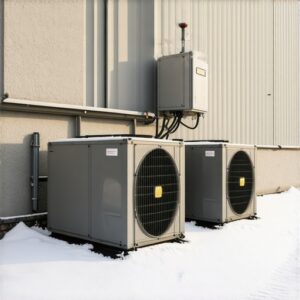
When we talk about heat pumps or modulating furnaces, we are dealing with a delicate balance of sensible and latent heat. In our cold climate, a heat pump installation isn’t just about moving air; it is about managing the Phase Change Material (PCM) properties of the refrigerant. The industry is currently standing on a regulatory cliff. By 2025, the R-410A ‘juice’ we have used for decades is being phased out for A2L refrigerants like R-454B. This is ‘mildly flammable’ stuff, requiring new sensors and completely different compressor oil. If your ‘Lifetime Warranty’ was signed in 2023, do you really think the manufacturer is going to have a stockpile of R-410A compressors in 2038? No. They will offer you a ‘pro-rated credit’ toward a new system that costs three times as much because of the new safety hardware. This is why hyper-heat heat pumps are the future, but they require a HVAC load calculation services expert, not a salesman with a clipboard. If the unit is oversized, it short-cycles. Every time a compressor starts, it experiences a massive inrush of current—that is the ‘thump’ you hear in the night—and that heat kills the windings. A warranty covers the part, but it does not cover the poor design that killed the part.
“Equipment life is a function of runtime and cycles; no warranty can overcome the entropy of an improperly sized system.” – ASHRAE Standards Handbook
The Anatomy of a Maintenance Trap
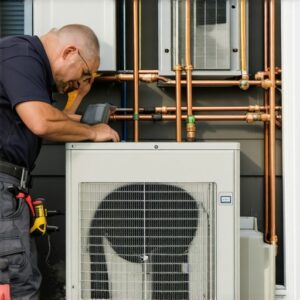
Let’s look at modulating furnace repair. These units are the Ferraris of the HVAC world. They have variable-speed blowers and gas valves that can adjust in 1% increments. But here is the catch: they are incredibly sensitive to static pressure. If your ‘tin knocker’ (the duct guy) didn’t size your returns correctly, that fancy blower motor has to ramp up to its maximum RPM just to move the CFM required to keep the heat exchanger from overheating. High static pressure is the silent killer of warranties. Most manufacturers will void a ‘lifetime’ claim if they find the system was operating outside its TESP (Total External Static Pressure) limits. This is why furnace filter replacement is not a suggestion; it is a survival tactic. I have seen ‘Pookie’ (mastic) slapped over duct leaks that were so bad the unit was pulling unconditioned, dusty air from the crawlspace, bypassing the filter entirely and coating the secondary heat exchanger in a layer of grey felt. No warranty covers ‘neglect’ or ‘dirty coils.’ If you aren’t investing in duct cleaning services and regular checkups, that warranty paper is better used for starting a fire.
The Cold Climate Physics of Hyper-Heat
In the North, we deal with the ‘Polar Vortex’ effect. Traditional heat pumps used to give up at 35°F, but modern hyper-heat heat pumps use flash-injection technology to maintain capacity down to -13°F. This is achieved by injecting a portion of the refrigerant back into the compressor to cool the scrolls during high-compression ratios. It’s brilliant engineering, but it’s complex. If you have an emergency heating repair in the dead of winter, you don’t want a ‘Sparky’ (electrician) who thinks he can just swap a capacitor. You need a tech who understands the vapor-compression cycle. Furthermore, these high-efficiency systems are often paired with humidifier installation to combat the bone-dry winter air. If that humidifier leaks onto your control board because it wasn’t leveled, your ‘lifetime warranty’ is gone. Water damage is ‘an act of God’ or ‘contractor error’ in the eyes of the manufacturer. You can see more about the nuances of high-end fixes in our guide on choosing the right HVAC fixes.
“The most expensive equipment in the world cannot overcome a bad duct system.” – Industry Axiom (ACCA Manual J)
Hidden Costs: Rebates, Sensors, and Safety
Many homeowners are lured in by rebate application assistance. The government and utilities are handing out thousands of dollars for heat pump transitions, but those rebates often require specific SEER2 and HSPF2 ratings. If your installer doesn’t do a proper Manual J load calc, you might get the rebate but lose the ‘lifetime’ efficiency. And don’t forget the safety side. Every time we do a furnace or heat pump swap, carbon monoxide detector installation is mandatory. A ‘Lifetime Warranty’ on a heat exchanger is cold comfort if the unit is leaking CO into your bedroom because of a cracked flue. The real value isn’t in the warranty; it’s in the installation quality. You should read about AC installation secrets to see how the sausage is really made. Most ‘Lifetime’ warranties are marketing ‘fluff’ designed to make you feel safe while the fine print ensures the manufacturer never actually has to pay out more than the scrap value of the metal. If you want a system that lasts, ignore the shiny brochures and focus on the ‘suction line’ (make sure it’s beer-can cold in summer) and the airflow. Airflow is king. Without it, you’re just burning money in a very expensive metal box. Learn more about maintaining that efficiency with our preventative repair tips to ensure you never have to test that warranty in the first place. {“@context”: “https://schema.org”, “@type”: “HowTo”, “name”: “How to Verify Your HVAC Warranty Coverage”, “step”: [{“@type”: “HowToStep”, “text”: “Locate your unit’s serial number on the outdoor condenser or indoor air handler.”}, {“@type”: “HowToStep”, “text”: “Check the manufacturer’s online portal to see if the unit was registered within 60 days of installation. If not, ‘lifetime’ usually reverts to 5 years.”}, {“@type”: “HowToStep”, “text”: “Review the exclusions list, specifically looking for ‘labor,’ ‘refrigerant,’ and ‘shipping’ costs which are rarely covered.”}, {“@type”: “HowToStep”, “text”: “Schedule a professional static pressure test to ensure the system is operating within manufacturer specs to keep the warranty valid.”}]}