The Eerie Silence of a Midnight Lockout
There is a specific kind of silence that only happens at 3:00 AM when the mercury has bottomed out at ten below and your furnace decides it is done for the night. It is not just the absence of sound; it is the presence of an impending problem. As an HVAC tech who has spent three decades dragging tool bags through tight crawl spaces and freezing mechanical rooms, I can tell you that silence has a rhythm. First, you hear the inducer motor kick on—that small, whirring fan that clears the combustion chamber. Then, you wait for the ‘click’ of the gas valve and the roar of the flame. When that roar doesn’t come, you are staring down a sequence of operation failure. The question is: is the brain dead, or did the match just break? Identifying a failed control board versus a broken igniter is the difference between a quick fix and a major gas furnace repair.
The Sales Tech Scam: A $12,000 Misdiagnosis
Last February, I got a call for a second opinion in a drafty Victorian home. A ‘Sales Tech’ from one of those big-box outfits had just left. He told the homeowner her heat exchanger was cracked and the whole system was a ticking time bomb, quoting her $15,000 for a new variable speed furnace. I popped the service panel and looked at the diagnostic LED on the Integrated Furnace Control (IFC). It was flashing a code for ‘Ignition Failure.’ I pulled the Hot Surface Igniter (HSI)—it had a hairline crack and a white ash spot, a classic sign of burnout. I replaced the igniter for a fraction of his quote, checked the heat exchanger with a combustion analyzer (it was perfectly sealed), and had the heat back on in twenty minutes. That ‘Sales Tech’ wasn’t looking for a repair; he was looking for a commission. This is why understanding control board diagnostics is vital for any homeowner who doesn’t want to get taken for a ride.
“The most expensive equipment in the world cannot overcome a bad duct system, nor can it function without a properly sequenced ignition cycle.” – Industry Axiom
The Anatomy of Ignition: How the Brain Talks to the Spark
In the world of variable speed furnace services, the control board is the nervous system. It receives signals from the thermostat and checks safety limits before it ever allows a flame to exist. If you are dealing with a furnace repair, you need to understand the ‘Sequence of Operation.’ When the thermostat calls for heat, the board energizes the inducer draft motor. Once the pressure switch proves the vent is clear, the board sends 120 volts to the igniter. The igniter glows white-hot (we’re talking 2,500°F), and then the gas valve opens. If the igniter is cracked, it’s like trying to start a campfire with a broken match. But if the board never sends the power to the igniter in the first place, the ‘brain’ is likely fried. This distinction is critical for emergency heating repair.
The Forensic Diagnosis: Testing the Igniter
When I’m performing gas furnace repair, the first thing I do is a visual inspection. Silicon nitride or silicon carbide igniters are fragile. If you see a dark smudge or a visible break, it’s toast. But sometimes the break is invisible to the naked eye. I pull out my multimeter and check for continuity. If I see ‘OL’ (Open Line), the internal filament is snapped. Another trick? Check the voltage at the plug during the ignition sequence. If the board is sending 120V but the igniter stays cold and dark, the igniter has failed. If the board isn’t sending voltage at all after the pressure switch closes, you’re looking at a control board diagnostics issue or a faulty safety switch. This is why identifying when furnace repair is urgent is so important; you don’t want to be guessing when the pipes are at risk of freezing.
The Logic of the Control Board: More Than Just a Switch
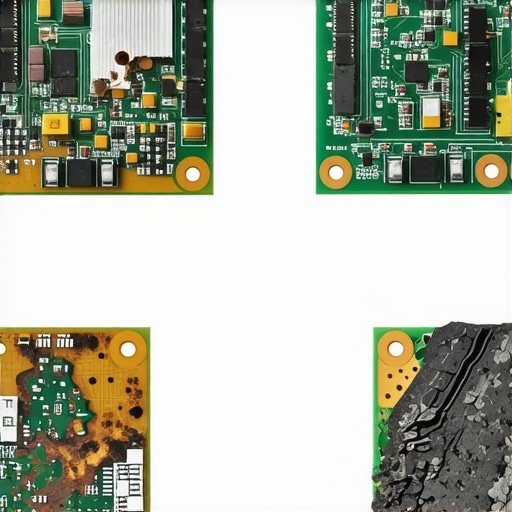
Modern furnaces are complicated. We aren’t just dealing with a simple ‘on/off’ switch anymore. We have variable speed furnace services that manage blower ramps, humidifier installation integration, and even crawl space heating solutions that require specific airflow profiles. A failed control board can manifest in weird ways: the blower motor runs constantly, the inducer motor won’t start, or you get ‘ghost’ error codes. Often, a power surge during a winter storm fries the delicate circuitry on the IFC. If you see charred spots on the back of the board (what we call ‘magic smoke’ escaping), it’s a goner. This is a common part of emergency heating repair during the peak of winter. Don’t let a ‘Sparky’ (electrician) tell you it’s a house wiring issue until you’ve checked the 3-amp fuse on the board itself.
“All gas-fired central furnaces shall be installed in accordance with the National Fuel Gas Code, NFPA 54, and must maintain proper combustion air to prevent control board fouling.” – ACCA Manual S
Climate Context: The Northern Polar Vortex
Up here in the cold zones, we don’t just deal with comfort; we deal with survival. When temperatures drop below zero, the ‘The Enemy’ is cracked heat exchangers and carbon monoxide. High-efficiency furnaces (90% AFUE and above) produce acidic condensate. If your furnace repair tech doesn’t check the drain lines, that water can back up and short out the control board or corrode the igniter housing. For those with crawl space heating solutions, the damp environment is a killer for electronics. We often recommend priority service memberships for folks in these climates because a furnace lockout at -10°F isn’t just an inconvenience—it’s a plumbing disaster waiting to happen. Proper HVAC repair strategies include sealing the cabinet from moisture to protect the board.
Repair vs. Replace: When to Pull the Plug
Is it worth fixing? An igniter is a cheap, ‘bread and butter’ repair. A control board is more expensive, often ranging from $400 to $900 depending on the model. If your furnace is over 15 years old and you’re already dealing with refrigerant leak detection issues on the AC side or a failing blower motor, it might be time to look at AC installation secrets and full system replacement. However, if the heat exchanger is solid, a new board can buy you another decade of life. We always check the gas pressure during a gas line installation for furnaces or a repair to ensure we aren’t ‘over-firing’ the unit, which is the number one cause of premature igniter failure. Too much ‘juice’ (gas) makes the combustion chamber too hot, brittle-fying the components.
Preventative Steps and Maintenance
The best way to avoid a 3 AM lockout is through priority service memberships. A ‘Tin Knocker’ (duct guy) or a service tech should be cleaning your flame sensor and checking your igniter’s resistance every year. We also look at the humidifier installation to ensure it’s not leaking onto the gas furnace repair site. If you want to keep the heat on without a hitch, check out these preventative HVAC repair tips. And remember, if you smell something acidic or sour, that’s not just ‘old furnace smell’—it could be a transformer or board component melting. Shut it down and call a pro.
Summary of Diagnostic Differences
- Broken Igniter: Inducer motor runs, you might hear a ‘click’, but no glow and no flame. Usually shows an ‘Ignition Failure’ code.
- Failed Control Board: No lights on the board, inconsistent behavior, or no power being sent to components despite correct thermostat signals.
- Safety Lockout: The board is fine, but a dirty filter or blocked vent tripped a limit switch, telling the ‘brain’ to stay off for safety.
Don’t let the ‘Sales Techs’ convince you that a small part failure requires a whole new system. Knowledge is power. If you’re unsure, contact us for a real diagnostic, not a sales pitch. We focus on the physics of airflow and the reality of thermodynamics to keep your home warm, even when the North Wind is screaming outside.