The Sound of a Dying Spa: Why Silence is Your Worst Enemy
I’ve spent thirty years on my knees in the dirt, breathing in the sour scent of scorched insulation and dealing with ‘Sales Techs’ who couldn’t tell a capacitor from a contactor if their commission depended on it. There is a specific sound when a spa heater’s heat exchanger finally gives up the ghost. It’s not a bang; it’s a subtle, rhythmic hiss followed by the smell of scorched copper. If you’re lucky, you catch it before it turns into a flood. Most people aren’t lucky. I remember following one of those high-pressure Sales Techs out to a job in the middle of a November cold snap. He’d quoted this client five grand for a full replacement, claiming the system was ‘unstable.’ I walked in, checked the manifold, and realized the idiot had misdiagnosed a simple pressure switch failure for a catastrophic leak. But the reality is, heat exchanger leaks are the silent killers of the backyard oasis, and identifying them requires more than just a shiny uniform and a tablet.
“The most expensive equipment in the world cannot overcome a bad duct system—or in the case of hydronics, a chemically imbalanced loop.” – Industry Axiom
The Anatomy of Thermodynamic Failure
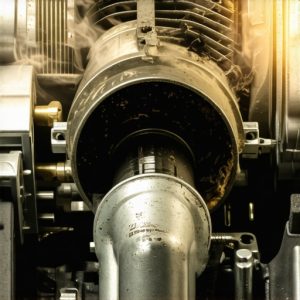
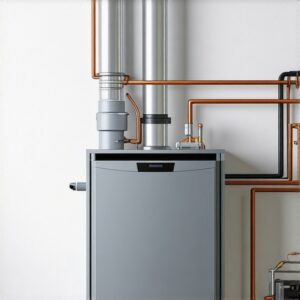
When we talk about a heat exchanger leak, we’re talking about a failure in the very heart of the machine. In a spa heater, the heat exchanger is a series of copper or cupro-nickel tubes where the ‘gas’ (fuel) creates a flame that warms the water passing through. Using Thermodynamic Zooming, we see that this isn’t just about ‘making water hot.’ It’s about the transfer of sensible heat from the combustion chamber through the thin walls of the tubing into the water. If your water chemistry is off—specifically if your pH is low—that water becomes acidic. It literally eats the copper from the inside out. Once those walls thin, the internal pressure of the pool pump forces water out into the combustion tray. This leads to ‘sooting,’ which chokes the flue pipe installation and can even cause flame rollout. If you see green staining on the burner tray or a white, powdery crust, your exchanger is ‘weeping.’ This is why top HVAC repair strategies always prioritize water chemistry as much as mechanical integrity.
The Forensic Diagnosis: How to Spot the Leak
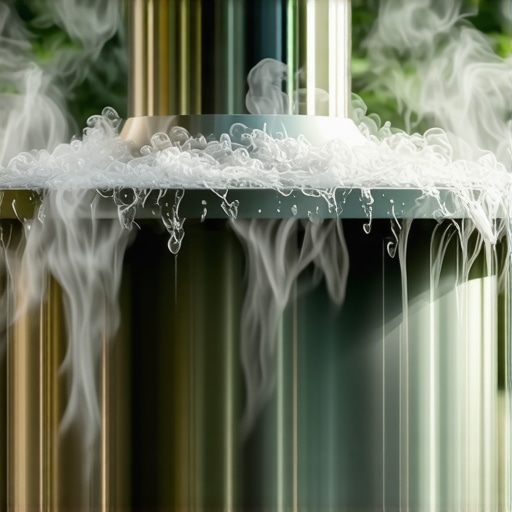
First, look for the ‘Pookie’ of the spa world—calcium and chemical deposits. If you open the cabinet and see what looks like stalactites hanging from the bottom of the heater header, you’ve got a problem. Another dead giveaway is a persistent loss of water level in the spa that doesn’t correlate with evaporation. Check the wiring repair for heating systems inside the cabinet; if the wires are brittle or show signs of water damage, the leak is likely spraying under pressure. I’ve seen air handler repair jobs where the owner thought they had a roof leak, only to find out their indoor spa heater was venting steam because the exchanger was cracked. If the unit won’t fire and the thermal regulator is tripped, the heat is bypassing the water and hitting the sensors directly. This is often where a furnace repair is urgent because that same logic applies to your home’s central heating.
“All combustion-based heating equipment must be vented to ensure that products of combustion are moved to the outdoors.” – NFPA 54 / ANSI Z223.1
The Climate Context: Northern Cold and Spa Survival
In the North, where the ground freezes solid, a heat exchanger leak isn’t just a nuisance; it’s a pipe-bursting catastrophe. If the exchanger leaks and the heater shuts down during a polar vortex, the water sitting in those copper tubes will freeze and expand. It’ll split the manifold like a grape. This is why preventative maintenance contracts are non-negotiable in cold climates. We’re not just looking for leaks; we’re looking for new construction heating design flaws that leave units exposed to the elements. During a furnace tune-up services call, I always tell clients to check their remote thermostat access for any sudden drops in temperature. If your heater is leaking, it won’t maintain the set point, and your ‘Smart Home’ should be the first to scream for help before the radiator replacement becomes necessary due to a freeze-up.
Repair vs. Replace: The Cold Hard Math
Is it worth fixing? A new heat exchanger can cost 60% of a whole new AC installation or heater swap. If the cabinet is rusted and the burners look like they’ve been at the bottom of the ocean, pull the plug. But if it’s a high-end unit with occupancy sensor installation integration and a solid frame, a new exchanger might buy you another ten years. Don’t let a ‘Sparky’ or a ‘Tin Knocker’ tell you it’s a simple patch job; you cannot patch a pressurized heat exchanger tube with epoxy. It’s a temporary fix that leads to a permanent disaster. If you’re considering a new system, check out the ultimate guide to AC installation for 2025 to see how modern efficiency standards are changing the game. For help with any system failure, you should contact us immediately before a small drip becomes a flooded equipment pad.