The Silence of a Mid-Winter Failure
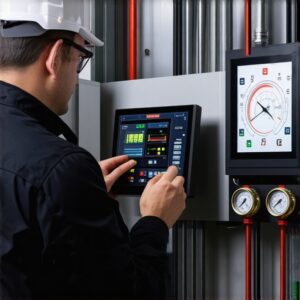
It is 3:00 AM on a Tuesday in January. The temperature outside is hovering at a bone-chilling 4°F, and the wind is rattling the window panes. You wake up not because of a noise, but because of the lack of one. The gentle, rhythmic hum of your furnace has vanished. In its place is a thin, biting cold that seems to seep through the drywall. You trek to the thermostat, and the screen is dark, or worse, it is calling for heat that isn’t coming. This is where the physics of combustion meets the reality of home ownership. As a technician who has spent thirty years crawling through spider-infested crawlspaces and freezing on slush-covered rooftops, I can tell you that a furnace isn’t just a box that makes fire; it is a complex thermodynamic engine that requires precision calibration. Whether you are burning natural gas or propane, if your tech isn’t performing a full combustion analysis, they are just guessing with your life and your wallet.
The Sales Tech Scam: A Forensic Lesson
I followed a ‘Sales Tech’ last winter who had quoted a homeowner $14,000 for a total heat pump replacement because he claimed the heat exchanger was ‘rusted through’ and ‘leaking deadly carbon monoxide.’ The homeowner was terrified. When I arrived for the second opinion, I didn’t see a salesman in a crisp, white polo; I saw a guy who didn’t even own a combustion analyzer. I pulled the blower motor and used a borescope to inspect the cells. There wasn’t a single crack. The ‘deadly CO’ he detected? It was a trace amount caused by a dirty burner orifice that was starving the flame of oxygen, causing incomplete combustion. A $150 cleaning and a proper manifold pressure adjustment saved that family nearly fifteen grand. This is the difference between a technician and a salesman. Real pros rely on system performance testing and static pressure testing to diagnose the ‘why’ behind a failure, rather than just pushing for a new unit. You can learn more about identifying these tricks in our guide on furnace repair myths.
Thermodynamic Zooming: The Chemistry of the Flame
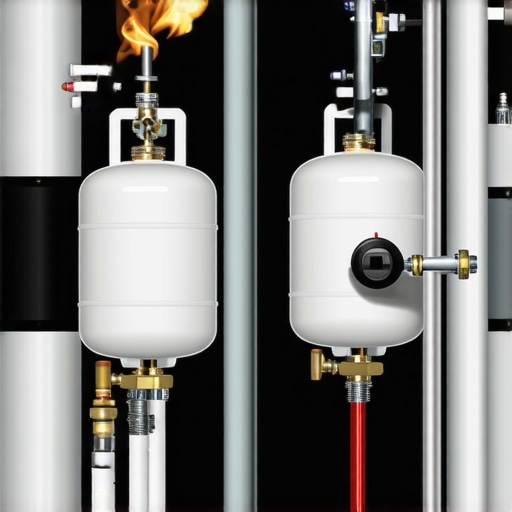
When we talk about combustion analysis for propane versus natural gas, we are talking about stoichiometry—the ideal ratio of fuel to air. Natural gas (methane) is lighter than air and packs about 1,000 BTUs per cubic foot. Propane (LP) is a different beast; it’s heavier than air, sits in the bottom of the cabinet if it leaks, and packs a massive 2,500 BTUs per cubic foot. Because propane is so much denser, it requires significantly more oxygen to burn cleanly. If you try to run propane through a natural gas orifice without a conversion kit, you’ll end up with a ‘lazy’ yellow flame that produces massive amounts of soot and carbon monoxide. This soot acts as an insulator on your heat exchanger, dropping your efficiency into the gutter and eventually cracking the metal from thermal stress.
“The most expensive equipment in the world cannot overcome a bad duct system or improper combustion setup.” – Industry Axiom
The North Zone Enemy: Heat Exchangers and CO
In cold climates like the Northeast or the Midwest, the enemy isn’t just the cold; it’s the chemistry. When a furnace cycle starts, the heat exchanger is cold. As the burners ignite, condensation forms on the inside of those metal tubes. If the furnace is oversized (a common ‘Sales Tech’ mistake), it ‘short cycles’—turning on and off so fast that the heat exchanger never stays hot enough to evaporate that moisture. This creates a corrosive acidic soup that eats the metal from the inside out. This is why SEER2 compliant upgrades and proper new construction heating design are critical; if the system isn’t sized to the home’s actual load, it will kill itself in less than a decade. For those looking at 2025 standards, understanding heating service innovations is essential to avoid these pitfalls.
The AI-Driven HVAC Optimization and the R-454B Transition
As we move into 2025, the industry is facing a massive shift. We are seeing the death of R-410A and the rise of R-454B refrigerant transition services. These new A2L refrigerants are ‘mildly flammable,’ meaning the ‘Tin Knockers’ and ‘Sparkies’ installing them have to be more precise than ever. We are also seeing AI-driven HVAC optimization where sensors monitor the delta-T (temperature difference) across the coil in real-time. But here is the catch: all the AI in the world won’t fix a furnace that hasn’t had its gas pressure clocked. I’ve seen 95% AFUE furnaces operating at 70% efficiency because the ‘gas’ (refrigerant or fuel) wasn’t dialed in with a manometer. Whether you are seeking furnace repair services or ventless gas heater services, the tech should be checking the ‘stack temperature’ to ensure your heat isn’t just whistling up the chimney.
Static Pressure: The Airflow Manifesto
My old mentor used to scream, ‘You can’t cool what you can’t touch!’ The same applies to heating. If your ductwork is restricted, the static pressure rises. This is like trying to breathe through a straw while running a marathon. The inducer motor has to work harder, the heat exchanger gets too hot, and the limit switch trips. Most people think they need a ‘recharge’ or more ‘juice’ when the real problem is that ‘Pookie’ (mastic) was slapped over a leaking return air drop. Proper static pressure testing is the only way to know if your home can actually handle the airflow your new furnace provides. If you’re experiencing uneven temperatures, check out our blueprint for cooler summers and warmer winters.
“Design of the distribution system shall be based on the airflow requirements of the equipment selected.” – ACCA Manual J Standards
Financing the Future: Heat Pumps and Hybrid Systems
With the current tax credits, many are looking at financing for heat pump installs. In cold climates, a ‘dual fuel’ or ‘hybrid’ system is the gold standard. You use an electric heat pump for moderate days and switch to propane or natural gas when the ‘Polar Vortex’ hits. This transition requires a technician who understands both the refrigeration cycle and combustion chemistry. If you are considering a heat pump replacement, don’t just look at the sticker price; look at the long-term SEER2 savings and the COI (Cost of Ignorance) of a bad installation. You can find more details in the ultimate guide to AC installation. If you suspect your current system is failing, it is vital to know when furnace repair is urgent to protect your family from CO risks. For those ready to optimize their home, contact us today for a professional combustion analysis.