The Myth of the ‘Magic Box’ Filter
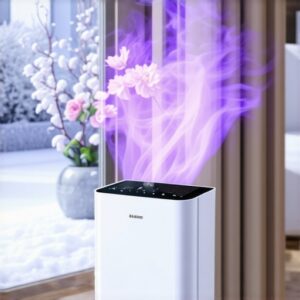
You’ve seen the commercials. Some slick guy in a polo shirt tells you that a $300 plastic box sitting in the corner of your living room will solve your allergies, kill every virus in the zip code, and make your home smell like a mountain spring. As a guy who has spent three decades elbow-deep in blower cabinets and crawling through spider-infested crawlspaces, let me tell you the truth: those portable units are nothing more than expensive noisemakers. They address a symptom, not the system. If you want real indoor air quality, you have to talk about the ‘Airflow Manifesto.’ Comfort isn’t magic; it’s physics. One room is freezing, another is hot, and the air feels heavy because your ductwork is a mess, not because you lack a portable filter. My old mentor used to scream, ‘You can’t cool what you can’t touch!’ This is why airflow matters more than horsepower. He’d stand over me while I was trying to balance a system and remind me that if the air isn’t moving across the entire volume of the structure, you’re just recirculating dead air. Integrating HEPA filter systems directly into your HVAC plenum is the only way to ensure every cubic foot of air is scrubbed, but it requires a technician who understands static pressure, not just someone looking to sell you a shiny toy.
The Static Pressure Trap
When we talk about whole-house air purification, we are talking about modifying the respiratory system of your home. You can’t just slap a high-MERV filter into a system designed for cheap fiberglass throwaways. I’ve seen countless ‘Sales Techs’ tell homeowners they need a MERV 16 filter to stay safe, only to walk away leaving a system that’s literally gasping for air. This is where the physics of the North/Cold climate zone becomes critical. In places like Chicago or the Northeast, your furnace relies on a specific temperature rise to keep the heat exchanger from cracking. If you choke that airflow with a restrictive filter, the heat exchanger overheats, the limit switch trips, and suddenly you’re calling for urgent furnace repair in the middle of a blizzard because your system hit a safety lockout.
“Properly sized air filtration shall not exceed the manufacturer’s maximum rated pressure drop for the air-handling unit.” – ASHRAE Standard 62.2
This is why an annual heating inspection is vital before you upgrade your IAQ. We need to check the fan curve. If we’re going to use HEPA filter systems, we often need to install a zoning system installation or a more robust return air drop to handle the ‘Delta P’ (pressure drop). Without it, you’re just killing your blower motor and inviting a costly capacitor replacement services call when the start cap pops under the strain of a struggling motor.
[IMAGE_PLACEHOLDER]
HRVs and the Danger of the Airtight Home
Modern homes are built like Ziploc bags. Great for the energy bill, terrible for your lungs. This is where heat recovery ventilators (HRVs) come in. In a cold climate, you can’t just crack a window in January. You need a system that swaps stale, indoor air for fresh outdoor air while ‘robbing’ the heat from the outgoing stream to pre-warm the incoming air. This isn’t a portable filter’s job. A portable unit just filters the same old CO2-laden air. An HRV, integrated with SEER2 compliant upgrades, ensures that your home actually breathes. I’ve been called out to homes where the windows were sweating and the walls had a sour, acidic smell—the smell of a ‘sick building.’ Usually, the homeowner had three portable filters running but no fresh air intake. They were terrified of the ‘Gas’ (refrigerant) leaking, but they were actually suffocating on their own off-gassing carpets and cleaning chemicals. We fixed it by ignoring the gadgets and focusing on the thermostat wiring upgrades needed to control a whole-house ventilator. If you’re looking for heating service innovations for 2025, look at ventilation, not just filtration.
The ‘Tin Knocker’ Secret: Why Ductwork is King
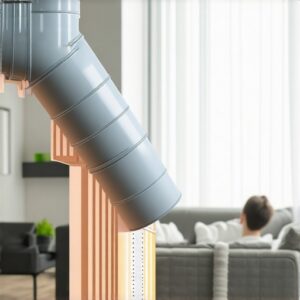
I despise the ‘Sales Tech’ who walks into a house with a tablet and starts quoting $15,000 for a new system because the old one ‘smells dusty.’ I followed one last week who tried to scam a homeowner into a full replacement when all they had was a leaky return duct in the attic sucking in insulation dust. A real ‘Tin Knocker’ knows that air purification starts with Pookie (mastic). If your ducts aren’t sealed, your fancy HEPA filter is bypassed by every crack and seam in the return plenum. You’re paying to filter the attic air, not the living room air. This is why we look at the whole picture, including evaporative cooler services in drier climates or full duct sealing in the North. We also have to consider the electrical load. A real technician checks the ‘Sparky’s’ work to ensure the dedicated circuit for your IAQ equipment doesn’t overload the board. If you’re considering financing for heat pump installs, make sure the air purification is baked into the load calculation.
“The most expensive equipment in the world cannot overcome a bad duct system.” – Industry Axiom
When we perform a preventative HVAC repair, we aren’t just looking at the ‘Suction Line’ to see if it’s beer can cold; we’re looking at the static pressure across the filter rack. If that needle is in the red, your ‘clean air’ is costing you a fortune in shortened equipment life and high utility bills. Don’t fall for the portable filter scam; fix the system, balance the airflow, and let the physics do the work. It’s the difference between a band-aid and a cure. For more on how to avoid the traps of the industry, check out these furnace repair myths that most ‘Sales Techs’ won’t tell you the truth about.