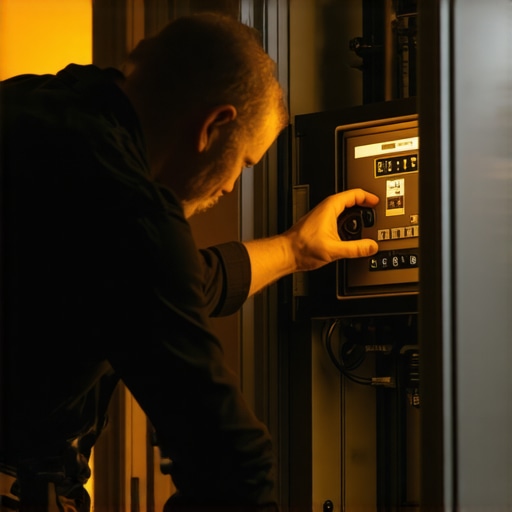
One cold winter night, I woke up shivering, realizing my furnace had just given out. The house was freezing, and I felt that sinking frustration—trusting my heating system to keep me warm suddenly felt like a gamble. That moment was my lightbulb moment. If you’re like me, you know how vital a reliable furnace is, especially when temperatures drop below freezing. Today, I want to share how professional furnace repair can not only restore your home’s warmth but rebuild your confidence in your heating system.
Why Fixing Your Furnace Should Be a Top Priority
When your heater falters, it’s more than just discomfort. It’s a safety concern, an energy drain, and a threat to your peace of mind. A malfunctioning furnace can lead to increased utility bills, uneven heating, or even dangerous carbon monoxide leaks if not addressed promptly. I learned this the hard way early in my repair journey, making the mistake of ignoring minor issues until they became major problems. That delay cost me more time and money, and it shook my trust in my system.
Fortunately, I found that prompt, expert furnace repair services can turn things around. Not only do they restore your home’s comfort, but they also extend the life of your system. Did you know that regular repairs can significantly improve efficiency and save you money? According to industry experts, maintaining your furnace can reduce energy bills by up to 30% (source). That’s a win-win in my book.
Have You Faced This Frustration
Can you recall a chilly morning when your heater just wouldn’t turn on? Or maybe you’ve experienced strange noises or uneven warmth? If so, you’re not alone. These common issues often signal that your furnace needs professional attention. Waiting too long can lead to costly repairs or complete system failure. That’s why recognizing the signs early and trusting the right experts is crucial for your peace of mind and household comfort.
So, are you ready to learn how expert repair can help you rebuild trust and keep your home warm? Let’s dive into the essential steps to restore your heating system’s reliability and your confidence in it.
Test Your System Thoroughly
When I faced my own furnace breakdown, my first move was to run a complete diagnostic. I turned on the heater after a quick visual check and listened carefully to any unusual noises. I also checked if all vents were open and unobstructed. If your furnace isn’t performing well, don’t hesitate to consult a professional for a quick assessment. This helps identify whether the issue is a minor fix or requires immediate attention.
Inspect and Clean Components
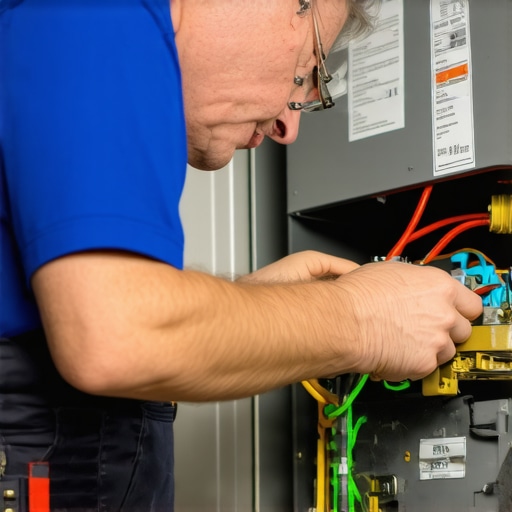
Next, I opened the access panels to examine filters, burners, and pilot lights. Dirty filters or clogged burners can cause inefficiency and discomfort. I replaced or cleaned filters, ensuring airflow was optimal. Remember, regular maintenance is key to preventing future breakdowns. A clean system works better and lasts longer.
Address Immediate Repairs
In my case, I noticed a strange clicking sound indicating a relay issue. I learned that some problems are easy to fix with basic tools, but others demand expert skills. For critical repairs, always consult professional technicians to avoid risking safety or causing more damage. It’s a bit like fixing a car engine—sometimes, a professional touch makes all the difference.
Replace Worn Components
Over time, parts like thermostats, igniters, or motors weaken. I replaced a worn thermostat, which immediately improved temperature control. Keep a record of your system’s parts and schedule repairs before breakdowns occur, aligning with advice from HVAC longevity strategies.
Optimize Your System for Efficiency and Trust
Once repairs are done, I focused on efficiency improvements. Upgrading to a programmable thermostat helped me manage temperatures and cut energy costs. Check out modern heating hacks for smarter control. Efficient operation not only saves money but also builds confidence in your system’s reliability.
Schedule Regular Maintenance
Regular tune-ups are like routine health checkups for your furnace. I set a seasonal maintenance schedule with my service provider, which included inspection, cleaning, and calibration. This proactive approach prevents unexpected failures and extends your system’s lifespan, a strategy recommended by industry experts for HVAC system longevity.
Stay Informed and Prepared
Finally, I educated myself on common signs of trouble. Recognizing issues early, such as inconsistent heating or strange odors, helped me act fast. For more insights, visit furnace repair myths and facts. Being proactive boosts your confidence and ensures your home stays warm when it matters most.
< >
>
Many homeowners fall prey to misconceptions about furnace repair, often leading to costly mistakes or overlooked issues. Let’s dig deeper into what most people get wrong about maintaining and repairing their heating systems, and how understanding these nuances can save you time, money, and frustration.
Why the Price Tag Isn’t Always the Whole Story
It’s a common belief that the cheapest repair options are the best. However, opting for low-cost fixes without consulting a professional can be a false economy. Cheap repairs often mean using inferior parts or shortcuts that might save you money initially but can lead to recurring problems or even system failure. Industry experts emphasize that investing in quality parts and professional diagnostics ensures longevity and efficiency, ultimately saving you money in the long run (see why quality matters).
Advanced Mistake: Ignoring Minor Symptoms
Many homeowners dismiss early signs of trouble, thinking they can wait until a complete breakdown. This is a dangerous trap. Small issues like strange noises, inconsistent heating, or increased energy bills are often early warning signs of underlying problems. Addressing these promptly with expert help can prevent costly repairs or replacements later. Remember, regular maintenance and early interventions are key to keeping your system running smoothly (debunking repair myths).
How Advanced Repairs Can Rebuild Your Confidence
Many think that once a furnace starts acting up, replacing the entire unit is the only solution. This is a misconception. Modern repair techniques and parts can often restore efficiency and reliability, especially if caught early. For example, replacing worn thermostats or igniters can significantly improve performance. Consulting trusted professionals ensures that your system is repaired correctly, maintaining your confidence in its ability to heat your home effectively (expert repair insights).
What Advanced Homeowners Should Know About System Compatibility
Another common misconception is that any repair or upgrade fits all systems. In reality, HVAC systems vary widely, and using incompatible parts or incorrect repair methods can do more harm than good. An advanced homeowner understands the importance of consulting professionals for system-specific advice. For instance, upgrading to a new thermostat or installing a more efficient component requires compatibility checks — a step often overlooked, leading to reduced efficiency or system damage. Always verify that parts and repairs are tailored to your specific system (system compatibility tips).
Have you ever fallen into this trap? Let me know in the comments. Remember, the key to effective furnace repair is understanding the nuances and trusting experts who know what your system truly needs. This proactive approach not only extends your system’s lifespan but also restores your confidence in your home’s comfort and safety.
Keeping it Working: Tools I Recommend for Furnace Maintenance
When it comes to maintaining and repairing your furnace, having the right tools can make all the difference. Over the years, I’ve tested and refined my toolkit to ensure I can diagnose issues accurately and perform repairs efficiently. Today, I want to share some of the essential tools I rely on, along with insights on how they help me keep my system in top shape.
Digital Multimeter
This is the cornerstone of any repair kit. I use my multimeter to test electrical circuits, check voltage, and ensure components like thermostats and relays are functioning correctly. A reliable multimeter helps me identify wiring issues or faulty sensors quickly, saving me time and preventing unnecessary replacements. For precision, I prefer models with auto-ranging capabilities and backlit displays, which are especially useful in dimly lit furnace compartments.
Infrared Thermometer
Temperature consistency is vital for furnace efficiency. I use my infrared thermometer to scan heat exchangers, vents, and ducts. This tool provides instant temperature readings without contact, helping me spot uneven heating or blockages. Regular use of an infrared thermometer can prevent small problems from escalating into costly repairs, and it’s invaluable for verifying system performance after repairs.
Manifold Gauge Set
If you’re dealing with refrigerant-based heat pumps or central AC units, a manifold gauge set is indispensable. I use mine to check refrigerant pressures and ensure the system is charged correctly. Proper refrigerant levels are crucial for efficient heating, and this tool allows me to diagnose leaks or low refrigerant issues early. Remember, handling refrigerants requires professional certification, so only attempt this if you’re trained or hire a licensed technician.
Socket and Wrench Set
A good set of sockets and wrenches is fundamental for removing panels, replacing filters, or swapping out worn parts. I keep a variety of sizes on hand to accommodate different models and components. Investing in quality tools with good grip and durability ensures I don’t strip bolts or cause damage during repairs.
Cleaning Supplies and Replacement Parts
While not technically tools, having cleaning supplies like brushes, compressed air, and replacement filters ready is essential for routine maintenance. Regular cleaning of burners and filters improves efficiency and prolongs system life. I always keep a stock of common wear parts like thermostats, igniters, and capacitors, so I can perform quick swaps when needed.
The Future of Furnace Maintenance Tools
As technology advances, I predict that smart diagnostic tools and IoT-enabled systems will become standard. These will provide real-time alerts and remote diagnostics, further simplifying maintenance. For now, combining traditional tools with modern gadgets ensures I stay ahead of potential issues. To learn more about innovative solutions, check out heating system repair innovations.
How do I maintain my tools over time?
Proper maintenance of your tools is just as important as having them. Regularly calibrate your multimeter, clean your infrared thermometer, and inspect your gauges for leaks or damage. Store tools in a dry, organized space to prevent corrosion and ensure longevity. Replacing worn-out tools promptly keeps your repair process smooth and effective, helping you maintain trust in your system’s performance.
By investing in quality tools and maintaining them diligently, you’ll be better equipped to troubleshoot issues early and perform repairs confidently. Remember, the right equipment not only saves you money but also ensures your furnace runs efficiently for years to come. If you’re unsure about your system’s condition, don’t hesitate to contact professional technicians for expert assistance.
The Hardest Lesson I Learned About Furnace Repairs
One of my biggest revelations came early when I ignored a minor squeal from my furnace. That seemingly insignificant sound turned out to be a worn belt that, if replaced promptly, would have saved me from a costly overhaul. It taught me that attention to tiny details can make a huge difference in system longevity.
3 Myths About Furnace Maintenance That Held Me Back
I used to believe that regular repairs were only necessary when the system broke down completely. But in reality, proactive maintenance, like scheduled tune-ups, can prevent emergencies and extend your furnace’s life. Busting these myths opened my eyes to the power of consistent care.
What Experts Won’t Tell You About System Compatibility
Choosing the wrong replacement parts or ignoring system specifications can backfire. I learned this the hard way when installing a new thermostat incompatible with my furnace. Consulting professionals or trusted resources ensures that every upgrade enhances performance without risking damage. For tailored advice, visit system compatibility tips.
Curated Tips for Lasting Comfort and Confidence
Invest in a quality multimeter to troubleshoot electrical issues quickly. Use an infrared thermometer for spot-checking heat exchangers and ducts, preventing small problems from escalating. Keep a set of reliable tools like wrenches and sockets ready for quick repairs. My toolkit ensures I stay prepared for any situation.
Your Turn to Take Charge of Your Furnace
Now that you know some insider lessons and practical tips, it’s time to act. Regular maintenance, prompt repairs, and trusting expert advice will keep your home warm and your confidence high. Don’t wait for a breakdown—be proactive and enjoy a cozy winter season. Remember, your furnace is a vital part of your home’s comfort, and caring for it is caring for your loved ones.
Have you ever struggled with identifying a small furnace issue before it became a big problem? Share your experience below and let’s learn together!
http://Emily%20Johnson
I really appreciate the detailed steps shared in this post—especially the emphasis on regular maintenance and recognizing early signs of trouble. It’s so true that a proactive approach can save both money and stress in the long run. From my personal experience, I once ignored a small weird noise coming from my furnace, thinking it was nothing. Turns out, it was a worn belt that later led to a more expensive repair. Now I make sure to check my system periodically and trust a professional for annual tune-ups. Has anyone found that their troubleshooting skills improved after a bit of hands-on experience or training? I’d love to hear how others have learned to catch early signs before a major breakdown occurs.
http://Michael%20Anderson
This post really hits home for me. A few winters ago, I ignored some odd sounds coming from my furnace, thinking it was just normal wear and tear. When it finally gave out on a freezing night, I realized how crucial regular maintenance is. Since then, I’ve made a point to schedule seasonal check-ups and learned to listen for early warning signs like strange noises or inconsistent airflow. What surprises me is how many homeowners underestimate the importance of inspecting even minor issues early on. Has anyone here experienced a small problem that they initially dismissed but later turned into a major repair? I’d love to hear how you caught it early and avoided costly fixes.
http://Lara%20Bennett
Reading through this detailed post brought back a recent experience I had with my furnace. I noticed some unusual vibrations and a faint smell, which I initially dismissed as normal after a long season of use. However, recalling how easy it is to overlook small signs that could indicate bigger issues, I decided to call in a professional for an inspection. Sure enough, it turned out that a worn blower belt was the culprit, and had I ignored it longer, I might have faced a costly repair or worse, a breakdown during the coldest night. This experience truly underlined the importance of regular maintenance and paying close attention to early warning signs. How often do you all schedule professional check-ups to ensure your systems stay in top shape? I’d love to hear about ways others have successfully caught potential problems early.