The Real Reason Some Vancouver HVAC Companies Can’t Keep Up with Winter Emergency Calls
It is 2:00 AM in the middle of a January cold snap in the Greater Vancouver Area. Outside, the rain has turned into a biting sleet, and the wind is whistling through the Douglas firs. Inside your home, the air has grown uncomfortably still. You walk over to the thermostat, and your heart sinks: the display is blank, or worse, it’s blinking a “Service Required” code. You realize the heat is off. You pick up the phone to call a plumber vancouver bc or a local hvac company Vancouver, expecting immediate relief. Instead, you are met with a polite but firm recording: “Current wait times for emergency service are 48 to 72 hours.”
As the Operations Manager at Heat Pros Services, I hear the frustration in people’s voices every single winter. Homeowners feel abandoned during the one time of year they need us most. They wonder why, in a city as developed as Vancouver, a furnace repair vancouver service can’t just arrive in an hour. The truth is that these delays aren’t caused by laziness or a lack of care. There is a “perfect storm” of logistical bottlenecks, neglected maintenance, and unique environmental factors that hit the industry all at once when the temperature drops below zero.
In this comprehensive guide, I want to pull back the curtain on why Vancouver’s heating and plumbing infrastructure struggles during the winter. By understanding the “behind-the-scenes” reality of emergency services plumbing and HVAC logistics, you can take the necessary steps to ensure your family isn’t left in the cold when the next Arctic Outflow hits.
Why Vancouver’s Climate is an HVAC Nightmare
Vancouver is famous for its mild, damp winters. For most of the year, our heating systems are coasting. Unlike our neighbors in Edmonton or Winnipeg, our furnaces and boilers rarely have to work at 100% capacity for weeks on end. However, this “mildness” is exactly what creates a false sense of security. When a sudden “Arctic Outflow” event occurs, pulling frigid air from the interior of the province down through the Fraser Valley, our systems are suddenly pushed into “extended run cycles.”
An extended run cycle means your furnace or boiler is running 24/7 without a break to maintain a comfortable 21°C (70°F) inside while it’s -10°C outside. In my experience as an Operations Manager, these cycles act like a stress test for mechanical components. Any hidden weakness – a frayed belt, a dusty sensor, or a worn bearing – will be exposed within the first 12 hours of a cold snap. This is why we see a massive spike in calls simultaneously across Vancouver, Surrey, and Burnaby.
Furthermore, Vancouver’s high humidity adds a layer of complexity that techs in drier climates don’t deal with. High-efficiency furnaces produce a significant amount of condensation. In our damp environment, if a system hasn’t had proper drainage repairs, that moisture has nowhere to go. During a freeze, the condensate lines – often routed through unheated crawlspaces or near exterior walls – can freeze solid. When the water can’t drain, the furnace’s pressure switch triggers a safety shutdown. What looks like a total mechanical failure is often just a frozen pipe, but it still requires a professional to diagnose and thaw safely.
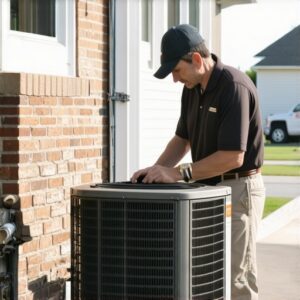
The dampness also affects outdoor units for heat pumps. In Vancouver, we see a high frequency of “defrost cycle” failures. If the humidity is high and the temperature is hovering right at freezing, the outdoor coils can ice over rapidly. If the defrost board is faulty, the unit becomes a block of ice, leaving the homeowner without heat and needing urgent plumbing vancouver bc expertise to handle the resulting meltwater or system integration issues.
The Logistical Bottleneck: Behind the Scenes at an HVAC Company
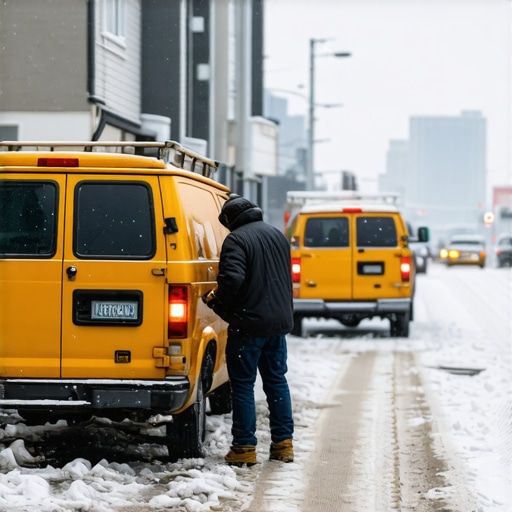
When the phone lines at an hvac company Vancouver start lighting up at 6:00 AM on a Monday morning after a freeze, the logistics of managing that volume are staggering. People often think we can just “send more trucks,” but the reality of the trade makes that impossible. As an Operations Manager, I have three primary constraints: staffing, parts, and safety.
1. Staffing and Safety Hours
Our technicians are highly skilled professionals, but they are also human. During a winter crisis, many of our team members are working 12-to-14-hour shifts. However, there is a hard limit to how much a person can work before they become a safety risk. When you are dealing with high-voltage electricity and natural gas lines, you cannot afford a tired technician. We have to strictly manage “on-duty” hours to ensure every repair is performed safely. When every homeowner in plumbing surrey bc needs a tech at once, the math simply doesn’t add up to immediate service for everyone.
2. The Parts Supply Chain
This is the “hidden” reason for many delays. While we stock our vans with common parts like igniters, flame sensors, and universal capacitors, we cannot carry every proprietary control board or blower motor for every brand ever sold in BC. When a cold snap hits, every other HVAC company is also raiding the local wholesalers for the same parts. If a specific inducer motor for a 15-year-old furnace sells out in the Lower Mainland, we are at the mercy of shipping times from Toronto or the US. This is why some furnace repair vancouver calls turn into multi-day waits.
3. The Triage System
Just like an emergency room, we triage our calls. A “no heat” call for a family with a newborn or an elderly resident in North Van will always take priority over a “noisy furnace” call in Kitsilano. We also prioritize our “Comfort Club” members. Many people feel frustrated when they hear they are 20th on the list, but the reality is that those who have invested in priority service memberships have essentially reserved their spot in line months in advance.
The HVAC-Plumbing Connection: Why You Need Both
One of the most common misconceptions I encounter is the idea that heating and plumbing are entirely separate worlds. In reality, especially in the Greater Vancouver Area, they are deeply intertwined. Many “heating” emergencies are actually plumbing issues in disguise. This is why finding a company that excels in both plumbing vancouver bc and HVAC is critical for winter survival.
Consider the modern high-efficiency furnace or a boiler system. These systems rely on a complex network of pipes to move water or exhaust. If you have a water leak in your boiler’s expansion tank, your heat will shut down. If your drain pipe repair was done improperly years ago, the acidic condensate from your furnace could be eating away at your home’s main stack.
We often see cases where a plumber burnaby is called for a basement flood, only to realize the flood was caused by a cracked heat exchanger or a frozen HVAC line. Conversely, a plumber vancouver might be called to fix a garburator fix or a simple sink clog, only to discover that the home’s leak detection system has flagged a major issue near the furnace.
In Surrey, we frequently deal with plumbing surrey bc calls where outdoor faucets (hose bibs) weren’t winterized. When these pipes burst, the water often sprays directly into the furnace’s fresh air intake or onto the electrical components of an outdoor heat pump. Suddenly, a simple plumbing mistake has become a $2,000 HVAC emergency. This is why we recommend integrating a leak detector with your HVAC to stop basement floods before they start.
Common Technical Failures That Trigger Emergencies
Based on my years of managing service calls across the Lower Mainland, from plumbers in coquitlam bc to plumbers west vancouver, here are the top three technical failures that leave homeowners in the dark.
1. Blower Motor Burnout
The blower motor is the heart of your HVAC system. During the winter, it works harder than any other part. In Vancouver, we see a high rate of motor failure due to restricted airflow. If you haven’t had a filter change or an air duct cleaning vancouver in a while, the motor has to “pull” harder to move air. This creates heat, which eventually melts the internal windings of the motor. You might hear a high-pitched screeching sound – that is the sound of the bearings failing. If you hear that, you need to act fast. Check out our guide on the screeching noise in your furnace to know when to call for a replacement.
2. The Failed Thermocouple or Flame Sensor
These are tiny, inexpensive parts that cause the most “no heat” calls. The thermocouple (in older standing pilot systems) or the flame sensor (in modern electronic ignition systems) is a safety device. It tells the gas valve that it’s safe to stay open because a flame is present. Over time, these sensors get coated in carbon or oxidation. When the furnace tries to kick on at 3:00 AM, the sensor fails to detect the flame and shuts the gas off for safety. It’s a simple fix, but without it, you have no heat. Learn more about the tiny copper part that keeps your gas furnace safe.
3. Boiler Pressure and Leak Issues
Boilers are incredibly popular in North Vancouver and West Vancouver’s older estates. These systems are “closed loops,” meaning they rely on constant pressure. When the temperature fluctuates wildly, the metal pipes expand and contract. This often leads to small leaks at the joints. If the pressure drops too low, the boiler’s “low water cutoff” will kill the power to the unit. If you find yourself searching for boiler repairs near me at midnight, it’s usually because of a pressure loss. We have a dedicated resource on what to do if your boiler starts leaking in the middle of the night.
How to “Jump the Line” and Avoid the Wait
I’ll let you in on a professional secret: the homeowners who get service within 4 hours while everyone else waits 3 days aren’t just “lucky.” They are prepared. If you want to avoid being just another number on a spreadsheet during a plumbing vancouver crisis, follow these three steps.
1. Join a Priority Membership Program
Most reputable companies, including ours, offer a “Comfort Club” or priority membership. For a small monthly fee, you get an annual tune-up included, but the real value is the “front of the line” guarantee. When the phones are ringing off the hook, our software automatically flags members and puts them at the top of the dispatch list. It’s the single best way to ensure you never have to worry about emergency services plumbing delays. As I always say, priority service memberships pay for themselves in one winter storm.
2. Schedule Preventative Maintenance in September, Not December
By the time the first frost hits, our schedule is already full. The best time to call for a plumber coquitlam or an HVAC tech is during the “shoulder seasons” (spring and fall). A preventative tune-up allows us to catch that failing blower motor or dirty flame sensor when we have the parts in stock and the time to do a 100-point inspection. This prevents the need for drain service near me or emergency repairs later.
3. Invest in Air Duct Cleaning
Many people think air duct cleaning vancouver is just about allergies. While it does help with air quality, its primary mechanical benefit is reducing static pressure. Clean ducts mean your furnace doesn’t have to work as hard, which extends the life of your motor and reduces your BC Hydro or FortisBC bills. It’s a win-win for your wallet and your comfort.
Conclusion: Taking Control of Your Home Comfort
The winter months in the Greater Vancouver Area don’t have to be a season of anxiety. While the weather is unpredictable and the local HVAC and plumbing industry faces real logistical challenges during cold snaps, you have the power to stay ahead of the curve. The “real reason” companies struggle isn’t a lack of effort – it’s a massive surge in demand caused by systems that weren’t prepared for the “Arctic Outflow.”
Whether you need furnace repair vancouver, plumbing north van, or plumbers in coquitlam bc, the key is to be proactive. Don’t wait for the screeching motor or the water leak in the basement to start thinking about your home’s mechanical health. Look for a plumbing vancouver bc provider that understands the deep connection between your heating system and your home’s water management.
At Heat Pros Services, we are committed to keeping our community warm and safe. From drain pipe repair to complex boiler repairs near me, our team of experts is ready to help. However, I’d much rather see you for a scheduled tune-up in the fall than during a 2:00 AM emergency in January.
Ready to protect your home? Contact Heat Pros Services today to schedule your preventative maintenance or to learn more about joining our Priority Service List. Don’t get left in the cold – take control of your home comfort now.