The Sound of a Sleeping Giant: Why Gas Line Integrity Is Non-Negotiable
In thirty years of crawling through spider-infested crawlspaces and balancing on joists in freezing attics, I have learned one thing: natural gas is a benevolent servant but a ruthless master. When you are talking about furnace repair or a new install, the gas line is not just a pipe; it is a high-pressure delivery system for potential energy that can, if mishandled, level a city block. Most homeowners think a furnace is a magic box that makes heat. It isn’t. It’s a controlled explosion managed by a series of valves, sensors, and a draft inducer motor. If you mess up the gas line, you aren’t just looking at a service call; you are looking at a catastrophe.
The Physics Lesson: Why My Mentor Screamed at Me
I remember my old mentor, a man who could smell a gas leak through a sinus infection, yelling at me on a job site back in ’94. I was trying to shortcut a run of black iron pipe to a heavy-duty church heating system. He grabbed my pipe wrench and said, ‘You can’t burn what you can’t deliver safely! If the pressure drop is too high, that furnace will starve, hunt, and eventually crack the heat exchanger from improper combustion.’ This is why airflow and gas flow are two sides of the same coin. Most people focus on the blower, but if the flue pipe installation is restricted or the gas pressure is fluctuating, you are asking for a soot-covered nightmare.
“Proper sizing of gas piping systems must account for the maximum demand of all appliances and the allowable pressure drop from the point of delivery to the equipment.” – NFPA 54 / ANSI Z223.1 National Fuel Gas Code
The Anatomy of a Safe Gas Line Run
When running a new line for a furnace, you aren’t just ‘connecting the dots.’ You have to understand the specific gravity of the fuel and the total BTU load. If you are also handling a hot water heater repair or installation on the same branch, the math changes. You need a sediment trap—what we call a ‘drip leg’—immediately before the gas valve. Why? Because gas isn’t pure. It carries scale and moisture. Without that trap, those particles hit the furnace flame sensor, coating it in junk, leading to a system lockout that leaves you shivering at 3 AM. If you’ve been told you need a new unit when yours is only five years old, you might just be dealing with dirty components. Check out these furnace repair myths to see if you’re being taken for a ride by a ‘Sales Tech.’
The North Climate Reality: Cracked Heat Exchangers and CO
Up here in the cold zones, we don’t play with carbon monoxide. When the temp drops to ten below, your furnace runs nearly non-stop. This constant expansion and contraction of the metal leads to fatigue. If your gas pressure is too high (over-firing), you’re basically blow-torching your heat exchanger. This leads to cracks, which allows CO to enter the airstream. That is why carbon monoxide detector installation is not an ‘extra’—it’s life insurance. I’ve seen flue pipe installation jobs where the ‘Tin Knocker’ didn’t pitch the pipe correctly, causing acidic condensate to eat through the metal. That’s a death trap. If your inducer sounds like a cat in a blender, you need draft inducer motor repair immediately before the safety switch fails and the whole thing shuts down in a polar vortex.
The Forensic Diagnosis: Repair vs. Replace
When I walk up to a unit, I listen. A rhythmic ‘thump-thump’ usually means the gas valve is hunting because of a restricted line. If the burner flame is yellow instead of a crisp, sharp blue, you have incomplete combustion. You might think you need a whole new system, but often it’s just a matter of furnace flame sensor cleaning or adjusting the manifold pressure. However, if the cost of the repair exceeds 50% of the value of the unit—especially on older 80% AFUE models—it’s time to talk about a high-efficiency replacement. Knowing how to identify when furnace repair is urgent can save you from a total system collapse during a blizzard.
“All gas-fired equipment shall be vented in a manner to prevent the accumulation of flue gases within the building.” – ASHRAE Standard 62.1
The Regulatory Cliff: 2025 and Beyond
We are entering a new era of demand-controlled ventilation and stricter EPA mandates. The transition to new refrigerants like R-454B is grabbing headlines, but gas furnace regulations are also tightening. Proper duct design services are now mandatory because these high-efficiency furnaces have zero tolerance for ‘static pressure.’ If your ducts are too small, the furnace will overheat and trip the high-limit switch. It’s not magic; it’s thermodynamics. You can’t shove 1200 CFM through a 10-inch pipe without consequences. Even if you’re looking at electric heater services for a garage or addition, the same rules apply: wire gauge and breaker size must match the load or you’re looking at a fire hazard for your ‘Sparky’ to deal with.
Practical Safety Rules for the Homeowner
- Never use a corrugated connector through a cabinet wall: The vibration will eventually saw through the metal. Always use hard pipe (black iron) through the furnace casing.
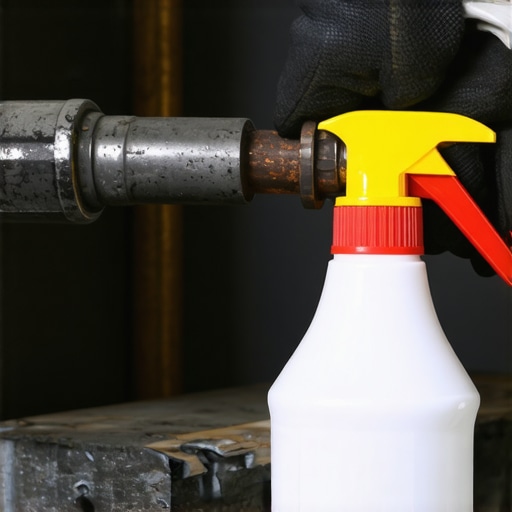
- The Soap Bubble Test: Don’t use a lighter to find a leak. Use a dedicated leak-detector solution (the ‘juice’) or soapy water. If it bubbles, you have trouble.
- Ventilation is King: If you’re installing in a confined space, you need combustion air. Without it, the furnace will suck the oxygen out of the room, leading to backdrafting.
Ultimately, your comfort is a product of physics. Whether it’s hot water heater repair or a complex furnace overhaul, the safety protocols are there for a reason. Don’t let a ‘Sales Tech’ talk you into a $15,000 system when a simple furnace flame sensor cleaning or draft inducer motor repair could get you through the season. For more on keeping your system running without the fluff, read about top HVAC repair strategies. Stay warm, stay safe, and for heaven’s sake, stop closing your vents—you’re killing your blower motor.