The Physics of the Snap: Why Your Furnace Contactor Is the Heartbeat of Your System
My old mentor, a man we called ‘Iron Lung’ Pete because he could sniff out a heat exchanger crack from the driveway, used to grab me by the shoulder and scream, ‘You can’t cool or heat what you can’t touch, kid! Airflow is the king, but the contactor is the king’s executioner.’ He wasn’t just being dramatic. After 30 years of crawling through spider-infested crawlspaces and baking on black-shingle roofs in the dead of July, I’ve realized he was right. If the contactor—that humble, $50 hunk of plastic and silver—fails to snap, your fancy $15,000 dual fuel heat pump system is nothing more than an oversized paperweight. We aren’t talking about magic here; we’re talking about the brutal reality of thermodynamics and electrical resistance. When we discuss when to replace your furnace contactor before it burns out, we are performing a forensic analysis on a component that endures thousands of cycles of high-voltage arcing every single season.
The Forensic Diagnosis: Anatomy of a Failing Switch
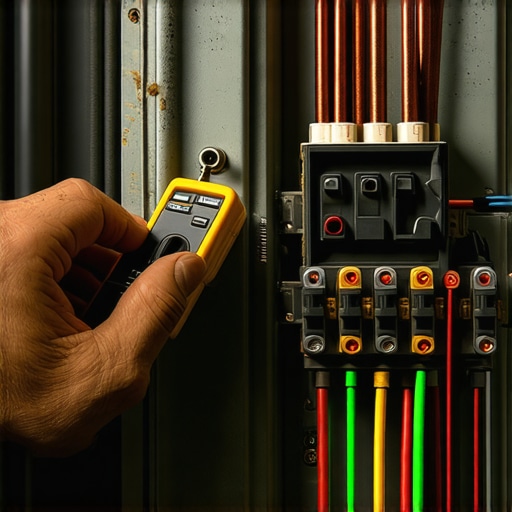
A furnace contactor is essentially a heavy-duty relay. It uses a low-voltage signal from your thermostat to energize an electromagnetic coil. That coil pulls down a metal bridge to connect the high-voltage ‘juice’ to your blower motor or compressor. Every time those silver-plated contacts meet, a tiny spark occurs. Over time, that spark creates pitting—microscopic craters on the surface of the metal. This increases resistance. In the world of HVAC, resistance equals heat. Not the good kind of heat that keeps your toes warm, but the kind of heat that melts wire insulation and fries control boards. I’ve seen ‘Sales Techs’ walk into a basement, see a pitted contactor, and immediately try to sell the homeowner a whole new furnace. It’s a scam. Most of the time, identifying the wear early through preventative HVAC repair tips can save you thousands. You need to listen for the ‘chatter.’ If your furnace sounds like a localized woodpecker when it starts up, that contactor is struggling to maintain a solid connection. That’s the sound of silver vaporizing.
“The most expensive equipment in the world cannot overcome a bad duct system or a neglected electrical interface.” – Industry Axiom
Thermodynamic Zooming: How Heat Kills the Coil
Let’s get technical for a second. In a Northern climate, your furnace or heat pump is fighting a war against sub-zero ambient temperatures. If you’re running a dual fuel heat pump system, your contactor is working double duty, switching between the electric heat strips and the compressor. When the contactor points get pitted, the voltage drop across the switch increases. This means the motor is starving for power, causing it to draw more amps. This extra amperage creates sensible heat within the motor windings. I’ve pulled motors out of air handlers that smelled like a sour, acidic electrical fire because a $30 contactor decided to weld itself shut. This is why capacitor replacement services are often performed in tandem with contactors; if one is weak, the other is usually taking the brunt of the electrical surge. When the contactor fails to release, your system ‘slugs’—it keeps running even when the thermostat is satisfied, potentially leading to a cracked heat exchanger. At that point, you’re not just looking at a repair; you’re looking at urgent furnace repair or a full replacement due to carbon monoxide risks.
[IMAGE_PLACEHOLDER_1]
The Airflow Factor: Why MERV Upgrades Can Stress Your Electronics
Everyone wants clean air, and I get it. Homeowners love MERV filter upgrades. They buy those thick, pleated filters that promise to catch every speck of dust in the tri-state area. But here’s what the ‘Tin Knockers’ and the big-box stores won’t tell you: high-restriction filters increase the static pressure in your ductwork. When static pressure rises, your blower motor has to work harder to move the same volume of air. This increased load translates back to the contactor. The contactor stays closed longer, the coil runs hotter, and the points arc more violently. If you aren’t balancing your airflow, you are essentially suffocating your system. This is especially critical in restaurant kitchen exhaust repair or industrial heater services, where the sheer volume of air being moved is massive. If the ‘Sparky’ didn’t wire your thermostat wiring upgrades correctly, or if you’re using a high-MERV filter without a high-static blower, you are fast-tracking your contactor for the scrap heap.
The 2025 Transition: Inverters and the New Reality
As we move into 2025, the industry is shifting toward inverter-driven compressors and ultra-high-efficiency systems. These units don’t always use traditional contactors in the same way old ‘dry-ship’ units did. They use sophisticated power modules. However, for the millions of us still running standard split systems or furnaces, the contactor remains the primary point of failure. If you have a warranty service plan, your tech should be checking the ‘millivolt drop’ across those contacts every year. If they aren’t, they aren’t doing their job. I’ve followed behind techs who missed a buzzing contactor only to have the customer call back two days later with a dead system in the middle of a polar vortex. That’s why we emphasize debunking furnace repair myths; a ‘tune-up’ isn’t just a squirt of WD-40 and a prayer. It’s a mechanical and electrical audit of the system’s ability to handle the load.
“Standard 608 requires that all systems be maintained to prevent the venting of refrigerants, which often occurs when electrical failures lead to high-pressure blow-offs.” – EPA Regulations Summary
The Cold Hard Truth: When to Pull the Trigger
So, when do you actually replace it? If I see any ‘pookie’ or soot around the terminal lugs, it’s gone. If the plastic housing has turned from a crisp white to a toasted-marshmallow brown, it’s gone. If the contactor points look like the surface of the moon, it’s gone. You don’t wait for it to burn out. Waiting for a burnout means risking the control board, the transformer, or the compressor itself. It’s the difference between a $150 service call and a $3,000 compressor swap. In industrial heater services, we replace these every two years regardless of look, because the cost of downtime is too high. For a homeowner, a carbon monoxide detector installation is a must, but a proactive contactor replacement is the best insurance against the system failures that cause those leaks in the first place. Don’t let a ‘Sales Tech’ convince you that a buzzing switch means you need a new 18-SEER unit. Fix the switch, check your whole-home humidifiers for leaks that might be dripping on the electronics, and keep that airflow moving. Remember: Comfort is physics, and physics doesn’t care about your budget when the points weld shut at 2 AM on a Sunday.