The silence of a dead furnace at 3 AM in the middle of a sub-zero cold snap has a specific frequency. It is the sound of a homeowner realizing they might be sleeping in coats tonight. I have spent thirty years chasing that silence across frozen rooftops and cramped crawlspaces in the Northeast, where the wind bites through your Carhartts and the frost on the heat exchanger tells a story of neglect. When a furnace stops, the average homeowner thinks of the expensive ‘death sentence’—the cracked heat exchanger or the toasted blower motor. But more often than not, the culprit is a thin, unassuming copper wire called the thermocouple. It is the gatekeeper. It is the only thing standing between your family and a house full of unburned natural gas. To understand why your furnace is cycling or refusing to stay lit, we have to look past the sheet metal and into the physics of millivoltage.
The Sales Tech Scam: A $12,000 Lie for a $20 Part
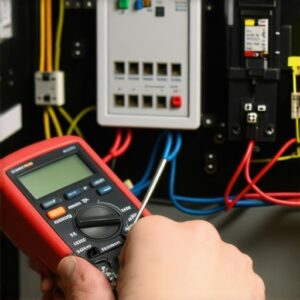
I remember a call last February in a neighborhood where the houses are older than my grandfather. I followed a ‘Comfort Specialist’—which is trade-speak for a guy who gets a commission on every unit he sells—who had just told a young couple that their 12-year-old furnace was a ‘ticking time bomb.’ He quoted them $12,500 for a full swap because the pilot light wouldn’t stay engaged. He told them the gas valve was shot and the heat exchanger probably had microscopic cracks. When I arrived for a second opinion, I smelled the ‘commission breath’ the moment I walked in. I pulled the front panel, saw the soot-covered tip of the thermocouple, and cleaned it with a piece of emery cloth. The pilot roared to life and stayed. Total cost of the part if I had replaced it? Under twenty bucks. This is why I despise the sales-heavy side of this industry. They skip the furnace repair myths and go straight for the throat. Knowing the anatomy of your ignition system isn’t just about saving money; it’s about not being a victim to a guy in a shiny polo shirt who hasn’t ever actually used a multimeter.
“The most expensive equipment in the world cannot overcome a bad duct system or a lack of basic safety logic in the ignition sequence.” – Industry Axiom
Thermodynamic Zooming: The Seebeck Effect in Your Attic
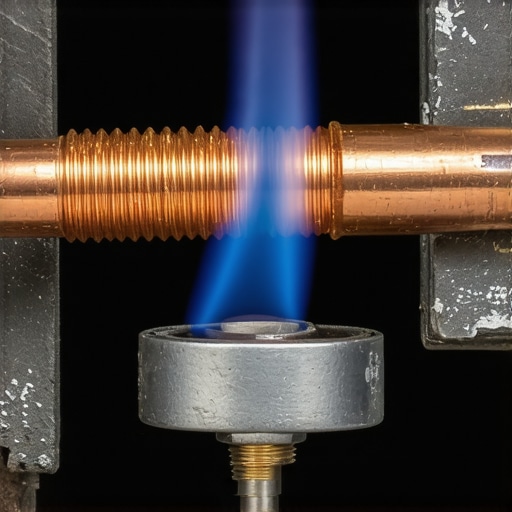
Let’s talk about the physics. A thermocouple isn’t just a wire; it’s a thermoelectric generator. It works on the Seebeck Effect. You have two dissimilar metals joined at one end (the tip that sits in the flame). When that junction gets hot, it creates a tiny, tiny amount of electricity—usually between 25 and 30 millivolts. That’s not enough to charge your phone, but it is enough to hold open a small electromagnetic coil inside your gas valve. If the flame goes out, the thermocouple cools down, the millivoltage drops, the magnet loses its grip, and a spring snaps the gas valve shut. It’s a fail-safe. If your furnace repair is urgent, it’s usually because this safety loop has been broken. Without that millivolt signal, the system assumes the fire is out and shuts down the ‘gas’ or ‘juice’ to prevent a catastrophic explosion. This is pure physics, not some digital magic. If the tip is buried in carbon or has been cooked by a poorly adjusted pilot, the signal dies, and so does your heat.
[image_placeholder_1]
The Forensic Anatomy: Diagnosis of a Failing Gatekeeper
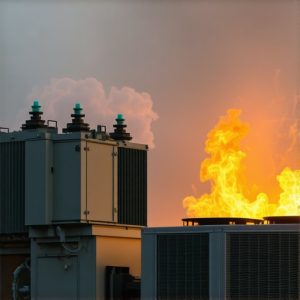
When I’m performing a forensic diagnosis, I look at the color of the flame and the state of the copper lead. A healthy pilot flame should be a crisp, steady blue, enveloping the top third of the thermocouple. If it’s ‘lazy’ and yellow, you’ve got an airflow problem in the burner assembly, likely requiring efficient HVAC repairs to clear out the debris. Sometimes, the issue isn’t even the thermocouple itself but the ‘Sparky’ (electrician) who didn’t ground the unit properly, or more likely, a failing blower motor replacement that is causing the heat to back up and overheat the internal components. In our cold Northern climate, we also deal with ‘Flame Rollout.’ This is when the heat exchanger is so restricted or cracked that the fire literally rolls out of the front of the furnace to find oxygen. If your thermocouple or flame sensor is tripping constantly, you aren’t just looking at a nuisance; you’re looking at a potential carbon monoxide event. This is why we don’t just ‘jump out’ safety switches. If the safety says ‘No,’ you listen.
The Math of the Cold: Repair vs. Replacement in 2025
Homeowners always ask: ‘When do I pull the plug?’ If you are staring at a $500 repair on a 20-year-old mid-efficiency furnace, you have to weigh that against the new 2025 standards. With the death of R-410A and the shift to A2L refrigerants, the cost of entire systems is skyrocketing. However, on the heating side, if you are still running an old 80% AFUE unit with a standing pilot, you are literally throwing money out the chimney. We often help clients with rebate application assistance to move them toward dual fuel heat pump systems. These systems use the furnace as a backup during a polar vortex but run high-efficiency electric heat the rest of the time. It’s about being an Airflow Architect, not just a parts changer. If your furnace is short-cycling, it might not be the thermocouple; it could be high static pressure from a duct system that’s too small, suffocating the unit. I’ve seen ‘Tin Knockers’ (duct guys) install returns that are so restricted the furnace high-limit switch trips before the house even hits 60 degrees.
“Failure to maintain proper combustion air and venting leads to more premature heat exchanger failures than any other factor in cold-climate residential heating.” – ASHRAE Standards
Beyond the Furnace: Total Home Comfort Control
In the restaurant world, we deal with restaurant kitchen exhaust repair where the ‘Pookie’ (mastic) on the ducts has dried out, causing massive pressure imbalances. The same thing happens in your home. If your furnace is struggling, check your filters. A clogged filter increases the internal temperature of the furnace cabinet, which can bake the insulation on your thermocouple lead, causing a short. If you have rooms that are perpetually freezing while the basement is a sauna, you don’t need a bigger furnace; you need a duct cleaning service or a zoning specialist. We also look at dehumidification services for those transitional months when the air is damp but not quite cold enough for full heating. Maintaining a furnace is about the ecosystem—from the refrigerant leak detection in your cooling coil to the baseboard heater repair in that one stubborn guest room.
The Final Word: Don’t Let the Pilot Go Out
The thermocouple is a small part of a massive machine, but it is the soul of your furnace’s safety system. If your pilot won’t stay lit, or if your furnace starts and then dies after thirty seconds, don’t let a sales tech talk you into a new $15,000 system without checking the millivolts first. Cleaning a flame sensor or replacing a thermocouple is basic maintenance that any tech worth his salt should be able to do with his eyes closed. If they lead with a sales brochure instead of a multimeter, show them the door. Comfort is a matter of physics and integrity, not a credit card balance. Keep your coils washed, your filters changed, and your ‘Pookie’ fresh. If you’re in doubt, call a veteran who knows the smell of a burnout and the sound of a healthy flame.