The Sound of the First Shiver: Why November is a Nightmare for Homeowners
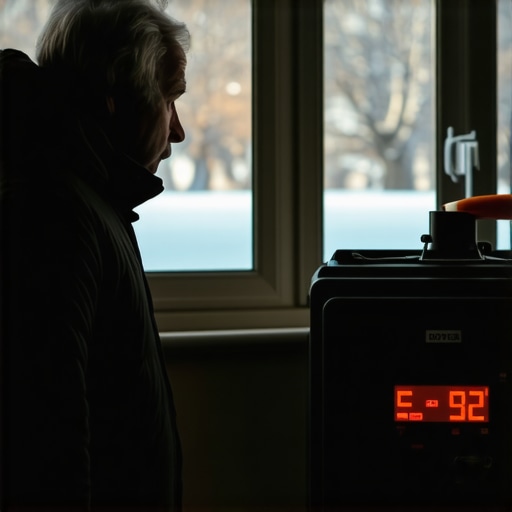
Every year, the same sequence of events unfolds across the cold northern plains and midwestern corridors. The first true cold snap hits. Families wake up to a house that feels like a meat locker. They run to the thermostat, slide it from “Cool” to “Heat,” and hear… absolutely nothing. Or worse, they hear the rhythmic, desperate clicking of an ignition sequence that fails to catch, followed by the cold, metallic blow of an unignited draft inducer motor throwing raw, unheated air. This is the first frost, and it is the exact moment my service phone starts ringing off the hook, every single minute of the day. As a technician who has spent decades crawling through frozen crawlspaces, I can tell you that this seasonal rush is entirely predictable, totally preventable, and deeply rooted in the cold physics of heating systems that have sat dormant all summer long.
The rush is so intense that dispatchers pull their hair out, and the “sales techs” start salivating, licking their chops to sell a $12,000 system when a simple cleaning would have sufficed. When that first hard freeze locks up the region, heating demands spike instantly, putting immense thermal stress on metal components that have been relaxing in the humid summer air for six months. In this industry, we see how quickly minor, ignored dust accumulation transforms into a hard lockout, leaving families stranded in the cold.
The Physics Lesson: You Can’t Cool What You Can’t Touch (And You Can’t Heat What You Can’t Flow)
My old mentor, a gruff, cigar-chomping master mechanic named Walt, used to scream at me in the back of our box truck: “You can’t cool what you can’t touch, and you damn sure can’t heat what you can’t flow!” He was talking about airflow—the absolute lifeblood of any thermodynamic system. If you do not have enough air passing over your heat exchanger or through your high-efficiency furnace installation, the system is dead in the water. Walt would grab a dirty, dust-caked air filter, throw it at my boots, and yell, “That right there is a compressor killer in July and a heat exchanger cracker in November!” He was 100% correct. When airflow is choked, the temperature inside the furnace cabinet skyrockets, tripping the high-limit switch—a safety device designed to shut down the gas valve before the whole unit melts or cracks. But those switches aren’t meant to cycle constantly. Eventually, they fatigue and fail, leaving you with a dead furnace right when the thermometer plunges past freezing.
Understanding this balance of airflow and heat transfer is the difference between a system that lasts thirty years and one that dies in ten. Let’s look at the industry standards that govern this reality:
“The most expensive heating or cooling equipment in the world cannot overcome the thermal limitations of a poorly designed, choked, or neglected duct system.” – ACCA Manual D Duct Design Standard
“All gas-fired central furnaces must have a continuous supply of combustion air and an uninhibited flue gas path to prevent the accumulation of life-threatening carbon monoxide and flue gas condensation within the heat exchanger.” – National Fuel Gas Code (NFPA 54)
The Forensic Diagnosis: Anatomy of a First-Frost Furnace Failure
To understand why your heating system failed during the first frost, we have to look at the mechanical organs inside that sheet metal box. This isn’t magic; it is pure mechanical science. When a furnace receives a call for heat from the thermostat, a precise, safety-interlocked sequence of events must occur. First, the draft inducer motor starts up. This small fan clears any lingering gases from the heat exchanger and creates a negative pressure. A pressure switch senses this draft; if it doesn’t close, the ignition process stops dead. This is where insects, bird nests, or condensate lines clogged with slime will ruin your morning. If the pressure switch closes, the hot surface igniter begins to glow a bright, cherry red, or a spark igniter begins to click. Once the igniter reaches temperature, the gas valve opens, and—whoosh—you get flame. But we aren’t done. Within micro-seconds, a tiny metal rod called a flame sensor must detect the electrical current running through the flame. If that sensor is coated in a microscopic layer of silica or carbon buildup from sitting dirty all summer, it won’t see the flame, and the system will shut down gas flow within three seconds to prevent your basement from filling with explosive vapor. This three-and-out lockout cycle is the number one service call on the first cold day of the year.
For those living in cold climates, the heat exchanger is the absolute heart of the machine. If that steel chamber cracks due to metal fatigue from poor airflow, toxic carbon monoxide can leak directly into your household air stream. It’s why relying on proactive measures is so crucial. If you want to dive deeper into why things break down and how to spot these issues early, check out this guide on how to identify when furnace repair is urgent and why. Proactive maintenance avoids the premium “after-hours emergency” rates that technicians charge when the mercury drops below zero.
The Math: Repair vs. Replace in the Cold Climate Zone
When you’re sitting in a freezing house with space heaters running, and a technician is standing in front of you, you face a tough choice: do you patch up the old warhorse, or is it time for a full heat pump replacement or high-efficiency furnace installation? Let’s break down the math like a technician, not a salesman. If your furnace is under ten years old and has a cracked hot surface igniter, a bad capacitor, or a dirty flame sensor, you clean or replace those parts. That’s a simple repair ($150 to $450). But if your unit is pushing fifteen to twenty years, has a rusted-out secondary heat exchanger, or a failed draft inducer motor that costs $800 to swap, you are throwing good money after bad. Modern heating systems have evolved rapidly. In cold climates, switching to cold climate heat pumps paired with a gas furnace—what we call a dual-fuel system—is incredibly efficient because the heat pump handles the mild cold, and the gas furnace kicks in only when it gets bone-chillingly cold. For those looking to modernize their systems, there is significant help available through rebate application assistance programs for energy-efficient upgrades, reducing the bite of high upfront installation costs.
If you’re wondering how to navigate these decisions without getting ripped off by a slick sales rep, take a look at these furnace repair myths debunked by industry experts. Knowing the truth about what actually needs replacing will save you thousands of dollars when navigating high-pressure sales situations during a winter emergency.
The Danger of the “Cheap” Quick Fix and the Miracle of True Maintenance
Every winter, homeowners try to cut corners. They hire a cheap, uncertified guy off Craigslist who doesn’t know a flame sensor from a thermocouple. He might get the gas burning, but he won’t check for gas leaks, gas pressure, or static pressure. Over-firing a furnace (running too much gas pressure) will burn out a heat exchanger in a couple of seasons. Under-firing will cause the flue gases to condense in your vent pipe, sending highly acidic water back into your furnace cabinet, eating away at the burners and electrical components. Proper maintenance isn’t just brushing off some dust; it is measuring temperature rise, checking gas manifold pressure with a manometer, testing safety limits, and inspecting the flue pipe for integrity. If you want to keep your system running safely and efficiently all winter long, check out these preventative hvac repair tips for year-round efficiency. Getting an actual HVAC maintenance plan is far cheaper than calling an emergency tech at 2 AM on Christmas Eve when the pipes are on the verge of bursting. Do not let your system become a statistic of the first frost. Clean your coils, change your filters, and keep the air moving.