Why Your Garage Door Cable Snapped and How to Stop It From Happening Again
It usually happens at the worst possible moment. You’re backing the car out for a morning commute in San Francisco, or you’re closing up your warehouse in Oakland after a long shift. You press the button, and suddenly – BANG! – a sound like a gunshot echoes through the garage. The door jerks, stops, and hangs at a precarious, crooked angle. One side is up, the other is down, and the heavy steel structure is going nowhere.
If this sounds familiar, you’ve likely experienced a snapped garage door cable. While many homeowners assume the motor does all the heavy lifting, the truth is that the cables and springs are the real workhorses of the system. These high-tension steel aircraft cables are responsible for transferring the energy from the springs to the door, allowing hundreds of pounds of steel and wood to move with ease. When a cable fails, the entire system becomes a significant safety hazard. In this deep dive, we’ll explore the technical reasons behind cable failure, the unique environmental factors affecting bay area garage doors, and the critical steps you must take to prevent a recurrence.
The Anatomy of Garage Door Cables: More Than Just Wire
To understand why a cable snaps, you first need to understand what kind of cable system you have. Most residential and commercial properties in California utilize one of two primary configurations. Understanding these is the first step in effective garage door repair.
1. Lift Cables (Torsion Spring Systems)
In a torsion spring system, the springs are mounted on a metal shaft above the door opening. Lift cables are attached to the bottom corners of the door and run up to drums located at the ends of the torsion shaft. As the spring unwinds to open the door, the drums spin, winding the cable and lifting the door’s weight. These cables are under immense, constant tension even when the door is closed.
2. Retaining and Safety Cables (Extension Spring Systems)
Extension springs run along the upper horizontal tracks. These systems use lift cables to move the door, but they should also incorporate “safety cables” or retaining cables. These cables run through the center of the extension springs. Their primary purpose is safety: if an extension spring snaps, the safety cable prevents the spring from becoming a “flying projectile” that could cause catastrophic injury or property damage. Research into garage door failures consistently highlights that safety cables are the most overlooked safety feature in older homes.
Why Garage Door Cables Snap: 5 Primary Causes
Cables don’t just snap without reason. They are designed to withstand thousands of cycles, but several factors can accelerate their demise. If you need to fix garage door issues, identifying the “why” is just as important as the “how.”
1. Friction, Fraying, and Cumulative Wear
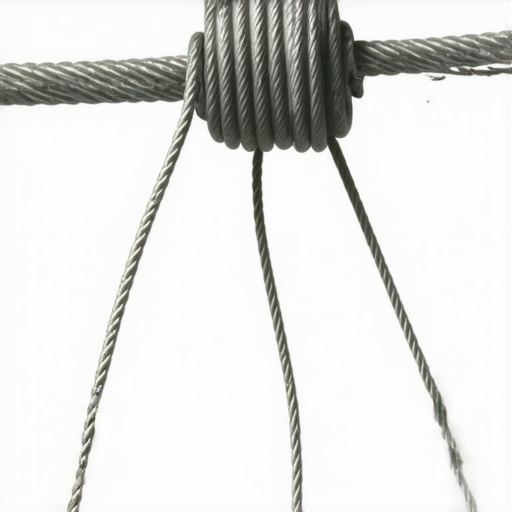
Every time your garage door opens, the cables wind and unwind around a metal drum or travel over a pulley. Over time, the individual strands of the galvanized steel cable begin to rub against one another or against the hardware. This friction causes fraying. Once a few strands break, the remaining strands must carry the full load, leading to a rapid “zipper effect” where the entire cable fails under tension.
2. Rust and Corrosion (The Bay Area Factor)
For those seeking garage door repair bay area, corrosion is a leading culprit. The San Francisco Bay Area’s unique microclimates – specifically the salt-heavy air from the Pacific and the persistent morning fog – create a highly corrosive environment. Moisture can get trapped between the tightly wound strands of the cable, leading to “internal” rust that isn’t always visible during a casual glance. This oxidation weakens the steel until it can no longer support the weight of the door.
3. Improper Spring Tension
The relationship between cables and springs is symbiotic. If you recently had a garage door spring replacement that wasn’t calibrated correctly, the cables may be bearing an uneven load. If one spring is tighter than the other, one cable will pull harder, causing it to wear prematurely or jump off the track. For business owners, this is a common issue in commercial garage door repair, where heavy-duty doors require precise tensioning to avoid downtime.
4. Damaged Pulleys and Worn Drums
In extension spring systems, the cables run over pulleys. If the bearings in these pulleys seize up or the pulley itself becomes misshapen, the cable will scrape against the edge rather than glide over it. Similarly, in torsion systems, if the cable drum is cracked or misaligned, the cable won’t wrap neatly. This causes “stacking,” where the cable overlaps itself and eventually snaps due to the extreme pinching force.
5. Cable Slipping and Misalignment
Sometimes a cable doesn’t snap because it’s weak; it snaps because it’s out of place. If the door hits an obstruction (like a trash can or a broom handle) while closing, the cables can go slack. When the door tries to move again, the slack cable may jump off the drum. If the opener continues to pull while the cable is wedged between the drum and the wall, the force will snap even a brand-new cable instantly.
The Hidden Dangers of a Broken Cable
When a cable breaks, your garage door effectively becomes a dead weight. Depending on the size and material, a residential door can weigh between 150 and 400 pounds, while commercial doors can exceed 1,000 pounds. Without the cable to support this weight, the door can crash down without warning.
Furthermore, if only one cable snaps, the other cable is suddenly forced to hold the entire weight of the door. This often leads to the second cable snapping shortly after, or the door becoming so severely twisted that it bends the tracks and damages the rollers. This is why you should never attempt to “force” the door open or closed once a cable has failed. Instead, you should immediately seek emergency garage door repair to secure the door and prevent it from falling on a vehicle or a person. Attempting a DIY fix on a door with a broken cable is extremely dangerous, as the remaining tension in the springs can be lethal. In these moments, urgent garage door repair is the only safe path forward.
How to Identify Early Warning Signs
You don’t have to wait for the “loud bang” to know your cables are in trouble. By performing a visual inspection once a month, you can catch issues before they become emergencies. Look for the following:
- Fraying: If the cable looks “fuzzy” or has small wires sticking out (often called “meat hooks”), it is in the process of failing. You need an immediate garage door cable replacement.
- Rust: Look for reddish-brown discoloration, especially near the bottom brackets where water and salt are most likely to accumulate.
- Slack: When the door is fully open, the cables should still have a small amount of tension. If they are hanging loosely, they are at risk of jumping off the drum.
- Uneven Movement: If one side of the door seems to be trailing behind the other, or if the door looks crooked when closed, your cables may be stretched or slipping.
Prevention and Maintenance: Protecting Your Investment
Preventative maintenance is the most effective way to avoid the cost and stress of a broken door. Just as you might follow preventative HVAC repair tips for year-round efficiency, your garage door requires a consistent schedule of care to ensure longevity.
Visual Inspections
Every three months, perform a thorough visual check of the entire system. Check the cables, springs, and rollers. Look for signs of wear on the drums and pulleys. If you notice anything unusual, it is better to call a professional for a tune-up than to wait for a total failure.
Lubrication (Done Correcty)
While you should lubricate your springs, hinges, and rollers with a silicone-based spray, do not lubricate the cables themselves. Grease and oil on the cables can attract dirt, grit, and salt, which actually increases friction and accelerates wear. The only exception is if you use a specialized “dry” lubricant designed specifically for wire rope, but generally, keeping the cables clean and dry is the best policy.
Professional Tune-Ups
A professional technician can perform tasks that are too dangerous for the average homeowner, such as checking the balance of the door and adjusting the torsion spring tension. Many homeowners find that a preventative maintenance contract solution is the best way to manage these tasks across all home systems, including HVAC and garage doors. Regular inspections ensure that small issues, like a slightly misaligned track, don’t turn into a snapped cable.
For those in the Bay Area, we recommend scheduling a professional inspection at least once a year. You can find expert services at bayareagaragedoorrepairinc.com to keep your system running smoothly. If your door has already suffered a mishap, specialized repairs for bayareagaragedoorrepairinc.com or bayareagaragedoorrepairinc.com can restore your garage to full functionality without the need for a total replacement.
Conclusion: Professional Solutions for a High-Tension Problem
A snapped garage door cable is more than a nuisance; it’s a sign that your door’s safety systems have been compromised. While it may be tempting to try and fix garage door spring issues or replace cables yourself, the extreme tension involved makes this one of the most hazardous DIY projects a homeowner can undertake. Much like the precision required in gas line installation for furnaces, garage door cable replacement requires specialized tools and technical knowledge to ensure the door is balanced and safe.
If you find yourself stuck with a broken cable, remember that the opener is not the solution. Attempting to fix garage door opener settings to “force” a door with a broken cable will only lead to a burned-out motor or a collapsed door. Instead, rely on a local expert who understands the unique challenges of the Bay Area environment. Whether you need a simple cable replacement or a full safety audit, professional intervention is the only way to ensure your garage remains a safe, functional part of your home.
Don’t wait for the bang. Inspect your cables today, and if you see signs of fraying or rust, contact a professional to secure your home. Your safety – and the safety of your family – is worth the call.